Search This Blog

Dr. Vikram Chauhan - MD (Ayurveda)

Showing posts with label Herbal Remedies. Show all posts

Tuesday, January 20, 2026

Planet Ayurveda: Trusted, Authentic, and Safe Ayurvedic Solutions

GLOBAL-GRADE CERTIFICATIONS & QUALITY ASSURANCE

Planet Ayurveda stands out in the crowded world of herbal supplements largely because of its stringent quality control. The brand holds multiple internationally recognized certifications:

  • GMP (Good Manufacturing Practices) and ISO 9001:2015—ensuring controlled, quality manufacturing processes.
  • US-FDA registration, USDA Organic, and HALAL certification, making it compliant with global regulatory standards.
  • ECOCERT Organic (EU)—guaranteeing organic cultivation and processing (free of synthetic pesticides/fertilizers for 10+ years).
  • AYUSH approval (India), FSSAI compliance, and HACCP certification—ensuring both hygiene and herbal authenticity.

These certifications significantly reduce the risk of contamination (e.g., heavy metals) and ensure that products meet both traditional Ayurvedic standards and modern scientific expectations.

Plnet Ayurveda

ETHICAL SOURCING & PURITY

  • Herbs are grown in the Himalayas' “green zone”, an area tested to be free from heavy metals and pollutants.
  • Manufacturing follows eco-friendly, vegetarian, and cruelty-free protocols, with strict exclusion of synthetic additives.

This ethical sourcing supports both environmental sustainability and consumer safety.

EVIDENCE OF EFFECTIVENESS & POSITIVE REVIEWS

User Testimonials & Feedback

  • Many 1mg customer reviews highlight benefits like improved kidney function and stabilized creatinine levels (Mutrakrichantak Churna rated 4.2/5). 1mg
  • Trustindex reviews (over 3,100 reviews) showcase strong positive outcomes for chronic conditions like fatty liver and general wellness, with an average rating of 4.8/5. Trustindex
  • Individual success stories (overnight improved sleep with Brahmi; reduced bone density issues, better cholesterol levels, enhanced focus, and pain relief from herbal blends).
  • Kidney care testimonials demonstrate significant health improvements—creatinine levels dropped from 12.2 to 8.3 in just 10 days, according to one user.
  • Personal narratives—including managing ulcerative colitis and even deep-rooted conditions—emphasize Planet Ayurveda as a “life-saviour.” Reddit

These anecdotal examples, while not clinical trials, offer real-world validation and reinforce the brand's reputation.

RESEARCH TRENDS IN AYURVEDA & GROWING GLOBAL ACCEPTANCE

Ayurveda's holistic model is gaining international traction, blending traditional practices with evidence-informed wellness:

  • A Times of India piece describes Ayurveda's growing global presence—hybridized with lifestyle strategies like Yoga—to promote preventive health.
    www.timesofindia.indiatimes.com/life-style/health-fitness/health-news/beyond-wellness-why-the-world-is-turning-to-ayurveda/articleshow/123116294.cms
  • While research varies in quality, there are encouraging findings around herbal benefits such as joint pain relief, improved cholesterol profiles, and anxiety reduction.
    www.verywellhealth.com/what-is-ayurveda-88174

Planet Ayurveda's approach—offering standardized, tested, and ethically sourced formulas—aligns well with Ayurveda's evolving and more scientifically grounded direction.

BALANCED PERSPECTIVE & TRANSPARENCY

Pros - Strength with Details:

  • Certifications: GMP, ISO, USDA Organic, ECOCERT, FSSAI, AYUSH
  • Purity & Safety: Heavy-metal tested, vegetarian, cruelty-free
  • Global Accessibility: Exports to US, EU, UAE, Canada with full regulatory compliance
  • Positive Feedback: Hundreds of glowing reviews from real users across diverse health concerns
  • Holistic Integration: Offers personalized Ayurvedic consultations and lifestyle guidance
  • Ethical and Transparent: Open about sourcing, manufacturing, and quality protocols

Caveats:

FINAL TAKE

Planet Ayurveda offers a compelling blend of ancient Ayurvedic wisdom and modern quality assurance. Through rigorous certifications, eco-conscious operations, and a global presence, they provide products that are likely safer and more consistent than many unregulated alternatives.

If you're considering trying their products, here's what you can do:

  • Choose personalized products as per your body type and associated health conditions, Easy and Private Online Video Consultations are Available for your comfort.
  • Start with small doses and observe your body's response, with regular check-ups scheduled with Planet Ayurveda Experts.

Monday, June 16, 2025

Why Doctors Recommend the hs-CRP Test? Causes, Symptoms & Herbal Remedies for Heart Disease

Abstract

Heart diseases are rising worldwide, and most of the occurrence of heart condition is sudden, resulting in marked morbidity. What if we can have a prior view of the upcoming heart issues? In this regard, the High-Sensitivity C-Reactive Protein (hs-CRP) test is a pivotal diagnostic tool in modern medicine, offering insights into systemic inflammation and cardiovascular risk. Elevated hs-CRP levels are closely linked to an increased likelihood of heart diseases, including myocardial infarction and stroke. This article delves into the importance of the hs-CRP test, explores its implications, and highlights how Ayurveda can play a complementary role in managing heart health.

Hs CRP Test

Introduction

C-Reactive Protein (CRP) is produced by the liver in response to inflammation. The hs-CRP test is a refined version that detects lower levels of CRP, making it a sensitive marker for chronic inflammation and a predictor of cardiovascular events. Elevated hs-CRP levels can indicate underlying issues even before symptoms manifest, emphasizing its role in preventive cardiology. So, it makes the test a well advanced measure to keep a check on the developing condition in the near future. Now let's have a look at causes behind the raised levels of hs-CRP. However, we shall discuss this in the context of heart conditions.

Causes of Elevated hs-CRP

Several factors can lead to increased hs-CRP levels:

  • Chronic Infections : Persistent infections can trigger prolonged inflammatory responses.
  • Heart conditions : Myocardial Infarction, Coronary Artery Disease, Atherosclerosis, Acute and Chronic Heart failure etc.
  • Autoimmune Disorders : Conditions like rheumatoid arthritis elevate CRP levels.
  • Obesity : Excess adipose tissue releases pro-inflammatory cytokines.
  • Smoking : Tobacco use induces systemic inflammation.

Signs and Symptoms Associated with High hs-CRP

While hs-CRP itself doesn't cause symptoms, elevated levels often correlate with:

  • Fatigue
  • Chest Discomfort
  • Shortness of Breath
  • General Malaise

Management Strategies

To manage elevated hs-CRP levels:

1. Lifestyle Modifications

  • Regular Exercise : Engage in at least 150 minutes of moderate aerobic activity weekly.
  • Smoking Cessation : Eliminate tobacco use to reduce inflammation.
  • Stress Management : Incorporate mindfulness and relaxation techniques.

2. Medical Management

Required other confirmatory tests before starting any medicines.

  • Statins
  • Anti-inflammatory Medications

Ayurveda's Role in Heart Health

In Ayurveda, Hridya Roga refers to a broad spectrum of heart disease. Heart being a vital organ is considered to be one of the trividh marma, that when injured that could result in immediate death. However, there are other causative factors that lead to the buildup of certain toxins/cholesterol levels in the arteries that could impact the blood supply to the heart. In Ayurveda, there are a number of causes that can lead to heart diseases such as excessive exercise, intake of spicy food, excessive purgation and enema, stress, fear, panic, buildup of ama dosha (toxins), usage of emaciated food and injury. This causative factor can result in inflammation in the parts of the heart. That can increase the values of the hs CRP. Ayurveda has mentioned five types of hrid roga ie vata, pitta, kapha, tridosha and krimij. All the symptoms according to the dosha guna and krimij have pricking and sharp pain and itching in the chest. Vataja has tearing pain, pitaja manifests with excessive thirst, excessive temperature, burning sensation, fatigue, loss of consciousness, excessive sweating and dry mouth. Kaphaj hrid roga shows heaviness and rigidity in the chest and heart region, anorexia, and a sweet taste in the mouth. Tridoshaja hrid roga has all the symptoms of the vataja, pittaja and kaphaja types. However, prevention, that is nidana parivarjan in Ayurveda, is best to avoid the manifestation of heart diseases. Following are some of the remedies that can help people with heart conditions.

Ayurveda, the ancient Indian system of medicine, emphasizes a holistic approach to health, focusing on balance and prevention. Below are some of the management protocols to prevent heart disease in wake of increased hs-CRP levels.

  • Herbs that are effective in hridyaroga includes Arjuna, Pushkarmoola, Ashwagandha, and Turmeric are renowned for their cardioprotective properties.
  • Dietary Guidelines: Emphasizing foods—fresh, light, and nourishing—to support heart function
  • Lifestyle Practices: Incorporating Yoga, Pranayama, and Meditation to reduce stress and enhance cardiovascular health.
  • Classical ayurvedic medicines include Hridrogahara kashyam, Pushkarahwadi kashyam, Punarnavadi taila, Haritakyadi ghrit, Pushkarmooladi churna, Trayushnadi ghrit, Pathyadi kalka, Drakshadya ghrita, Kasherukadi ghrita, Krishnadi churna, Arjunarisht etc

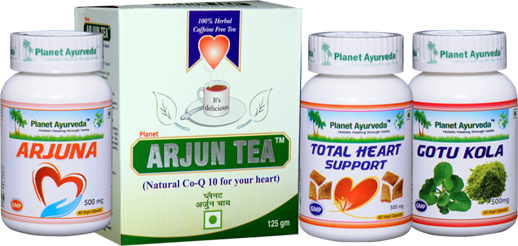
Herbal Remedies for Heart Disease by Planet Ayurveda

Planet Ayurveda is a reputable Ayurveda brand dedicated to providing authentic Ayurvedic formulations. It has a number of formulations in the form of powders, syrups, capsules, tablets, medicated ghee, juices etc. All the products of the company are in accordance with those mentioned in the classical texts of Ayurveda. Moreover, Planet Ayurveda has been helping with the patients with chronic illnesses. It is also mentionable that the products are devoid of any harsh chemicals and additives. Planet Ayurveda is pleased to present its ‘Heart Care Pack’ for the patients suffering from Heart Diseases. Heart Care Pack is specifically designed to support heart health. The products in the pack do not only take care of the manifested disorder but also prevent the disease from expressing itself.

Heart Care Pack Components

  1. Arjuna Capsules
  2. Arjun Tea
  3. Total Heart Support
  4. Gotu Kola Capsules
Heart Care Pack

Product Description

1. Arjuna Capsules

Planet Ayurveda’s Arjuna capsules contain arjuna (Terminalia arjuna) bark extract. Arjuna is a powerful Ayurvedic herb known for its cardioprotective properties. It strengthens the heart muscle, improves circulation, and helps maintain healthy blood pressure. Being rich in antioxidants and coenzyme Q10-like compounds, Arjuna reduces oxidative stress and supports heart function. It aids in lowering cholesterol and triglyceride levels, helping to prevent plaque buildup in arteries. Arjuna also has mild diuretic and anti-inflammatory effects, easing cardiac workload. By balancing Pitta and Kapha doshas, it promotes emotional calm and reduces stress, both vital for heart health. Regular use of Arjuna supports overall cardiovascular strength and resilience naturally.

Dosage : One capsule twice daily with plain water, after meals.

2. Arjun Tea

Arjuna tea is a product of Planet Ayurveda, made from the bark of the arjuna (Terminalia arjuna) tree and is a natural remedy that supports heart health. It strengthens the cardiac muscles, improves blood circulation, and helps regulate blood pressure. The tea is rich in antioxidants, which protect the heart from oxidative stress and reduce inflammation in blood vessels. Arjuna tea also helps lower LDL (bad cholesterol) and triglycerides, reducing the risk of plaque buildup and atherosclerosis. Its calming effect on the nervous system reduces stress, a major trigger for heart disease. Drinking Arjuna tea regularly promotes overall cardiovascular wellness in a gentle and natural manner.

Dosage : One cup daily.

3. Total Heart Support

Planet Ayurveda’s Total Heart Support Capsules are a potent blend of time-tested Ayurvedic herbs that help maintain a healthy and strong heart. These capsules contain Arjuna (Terminalia arjuna), Ashwagandha (Withania somnifera), Brahmi (Bacopa monnieri), and Shankhpushpi (Convolvulus pluricaulis), which together support cardiac function, improve circulation, and reduce stress on the heart. Arjuna strengthens heart muscles and manages cholesterol levels, while Ashwagandha reduces stress and supports a balanced blood pressure. Brahmi and Shankhpushpi calm the nervous system, helping to manage anxiety and emotional strain that can affect heart health. The formula works holistically to protect against hypertension, arrhythmia, and other heart conditions. Total Heart Support offers a natural, side-effect-free way to promote long-term cardiovascular wellness and resilience.

Dosage : Two capsules twice daily with plain water, after meals.

4. Gotu Kola Capsules

Planet Ayurveda’s Gotu Kola Capsules offer a natural way to support heart health by promoting healthy circulation, reducing stress, and protecting blood vessels. Gotu Kola (Centella asiatica) is a renowned Ayurvedic herb that enhances blood flow, strengthens vein walls, and supports the integrity of capillaries and arteries. It is rich in antioxidants that help reduce inflammation and oxidative stress, both major contributors to heart disease. Additionally, Gotu Kola calms the nervous system, helping to manage stress and anxiety, which negatively impact heart function. By improving microcirculation and supporting mental clarity, these capsules offer a holistic cardiovascular benefit.

Dosage : One capsule twice daily with plain water, after meals.

Conclusion

The hs-CRP test serves as a crucial marker in identifying hidden inflammation and assessing cardiovascular risk. While modern medicine offers effective interventions, integrating Ayurvedic principles provides a holistic approach to heart health. Planet Ayurveda's Heart Care Pack embodies this integration, offering natural solutions rooted in ancient wisdom. By embracing a balanced lifestyle, nourishing diet, and time-tested herbal remedies, one can journey towards optimal heart health and overall well-being.

Tuesday, May 27, 2025

Ayurvedic Treatment for Carpal Tunnel Syndrome : Causes, Symptoms, Diagnosis & Herbal Supplements

Abstract

Carpal Tunnel Syndrome (CTS) is a prevalent condition that causes discomfort in the wrist and hand due to the compression of the median nerve within the carpal tunnel. This pressure leads to symptoms such as pain, tingling, numbness, and weakness, typically affecting the thumb, index, and middle fingers. Carpal Tunnel Syndrome is often linked to repetitive wrist motions, underlying health issues like diabetes, arthritis, obesity, and pregnancy. Early detection and treatment are essential to avoid permanent nerve damage and loss of hand function. Treatment may involve non-invasive options such as splinting, anti-inflammatory medications, physical therapy, and ergonomic adjustments. In more severe cases, surgery may be necessary to relieve pressure on the nerve. A comprehensive treatment plan for Carpal Tunnel Syndrome aims to alleviate symptoms, prevent further nerve damage, and restore normal hand function. This abstract summarizes the causes, symptoms, diagnostic approaches, and available treatment options for Carpal Tunnel Syndrome. In this article we will discuss this in detail and we will also discuss the Ayurvedic overview and management.

Carpal Tunnel Syndrome

Introduction

Carpal Tunnel Syndrome is a widespread condition that affects the wrist and hand, caused by the compression of the median nerve as it travels through the narrow carpal tunnel in the wrist. This pressure on the nerve results in symptoms such as tingling, numbness, pain, and weakness, mainly in the thumb, index, and middle fingers. Carpal Tunnel Syndrome is commonly associated with repetitive hand movements, poor wrist positioning, and medical conditions such as diabetes, arthritis, and obesity, as well as factors like pregnancy. If left untreated, Carpal Tunnel Syndrome can disrupt daily activities and decrease the quality of life. Early diagnosis and prompt treatment are essential to prevent permanent nerve damage and restore normal hand function.

Causes

Carpal Tunnel Syndrome happens when the median nerve, which runs through the wrist, gets squeezed or pressed. This pressure can cause discomfort, numbness, tingling, and weakness in the hand and fingers. Several factors can lead to this condition:

1. Repeated Hand Movements

  • Constant Wrist Use: Jobs or activities that involve frequent wrist motion, like typing or working on an assembly line, can put stress on the median nerve.
  • Poor Hand Positioning: Performing tasks with improper wrist positioning can make the nerve more likely to get compressed.

2. Injury or Trauma

  • Wrist Injuries: Breaks or dislocations in the wrist can change the shape of the carpal tunnel, increasing pressure on the nerve.
  • Swelling or Inflammation: After an injury, inflammation or swelling can reduce the space in the tunnel, putting pressure on the nerve.

3. Medical Conditions

  • Diabetes: High blood sugar can lead to nerve damage, making people with diabetes more susceptible to Carpal Tunnel Syndrome.
  • Arthritis: Conditions like rheumatoid arthritis cause joint inflammation, which can affect the wrist and press on the nerve.
  • Thyroid Issues: An underactive thyroid (hypothyroidism) can lead to fluid retention and tissue changes, increasing the likelihood of Carpal Tunnel Syndrome.
  • Pregnancy: Hormonal changes during pregnancy can cause swelling, which can compress the carpal tunnel.

4. Genetic Factors

  • Small Carpal Tunnel: Some people are born with a naturally smaller carpal tunnel, which makes them more prone to Carpal Tunnel Syndrome.
  • Family History: A genetic predisposition to Carpal Tunnel Syndrome may increase the risk if it runs in your family.

5. Obesity

  • Excess Weight: Carrying excess weight can put added pressure on the wrist and cause fluid retention, both of which may contribute to Carpal Tunnel Syndrome.

6. Age and Gender

  • Age: Carpal Tunnel Syndrome is more common in people over 40, as wear and tear on the wrist increases with age.
  • Gender: Women are more likely to develop Carpal Tunnel Syndrome, possibly due to hormonal differences and smaller wrist structures.

Symptoms

The symptoms of Carpal Tunnel Syndrome occur due to the pressure on the median nerve in the wrist. These symptoms can range from mild to severe and may affect one or both hands. Common symptoms include:

1. Numbness and Tingling

  • Fingers and Hand: A common early sign is numbness or a "pins and needles" sensation, especially in the thumb, index, middle, and part of the ring finger.
  • At Night: Symptoms often worsen at night, causing disrupted sleep due to the position of the wrist during sleep.

2. Pain

  • Wrist and Hand: Pain may develop in the wrist, hand, or fingers, sometimes radiating up to the forearm.
  • Increased Discomfort with Activity: Pain can worsen with repetitive wrist movements or activities such as typing, texting, or gripping objects.

3. Weakness

  • Hand Grip: People with Carpal Tunnel Syndrome may experience weakness in the hand, making it difficult to grip objects, hold a pen, or perform tasks requiring fine motor control.
  • Dropping Things: Weakness in the hand can lead to dropping items more often due to decreased strength.

4. Loss of Sensation

  • Fingers: As the condition progresses, affected fingers may lose some sensation, making it difficult to feel textures or temperatures.

5. Swelling Sensation

  • Although the wrist may not visibly swell, some people report a feeling of fullness or swelling in the hand or fingers.

6. Hand Discomfort or Aching

  • Some individuals experience persistent aching in the hand, especially after extended periods of wrist use.

7. Clumsiness

  • The combination of numbness, tingling, and weakness may cause a feeling of clumsiness or uncoordination, affecting day-to-day tasks.

Diagnosis

To diagnose Carpal Tunnel Syndrome, a healthcare professional will typically conduct a combination of the following steps:

1. Medical History

  • Symptom Discussion: When it started, its severity, and whether it occurs at specific times (e.g., at night or after repetitive activities).
  • Medical Conditions: Diabetes, arthritis, or thyroid problems.
  • Occupational and Lifestyle Factors: Daily activities, including work habits, hobbies, or technology use, will help identify repetitive motions that could contribute to Carpal Tunnel Syndrome.

2. Physical Examination

  • Wrist and Hand Assessment: Examine wrist, hand, and fingers for signs of weakness, muscle atrophy, or reduced sensation.
  • Tinel’s Sign: Tap lightly over the median nerve at the wrist to see if it causes tingling or an electric shock-like sensation in the fingers. This can indicate nerve irritation.
  • Phalen’s Test: Hold wrists in a flexed position for about a minute to see if it reproduces symptoms such as tingling or numbness. This can help identify compression of the median nerve.

3. Electromyography (EMG) and Nerve Conduction Studies

  • Nerve Conduction Study: This test measures the speed at which electrical impulses travel through the median nerve. Slower speeds can indicate nerve compression.
  • Electromyography (EMG): EMG can assess the electrical activity in the muscles controlled by the median nerve. It helps determine if the nerve is damaged or compressed.

4. Ultrasound or MRI

  • In some cases, imaging techniques like ultrasound or MRI may be used to visualize the carpal tunnel and check for abnormalities, such as swelling, cysts, or other structural issues that may be compressing the median nerve. However, these tests are not always necessary for diagnosing Carpal Tunnel Syndrome.

5. Differential Diagnosis

  • Ruling Out Other Conditions: Carpal Tunnel Syndrome symptoms overlap with other conditions, such as rheumatoid arthritis, tendonitis, or cervical spine issues. The doctor may perform additional tests to rule out these conditions.

Treatment

Treatment of Carpal Tunnel Syndrome depends on how severe the symptoms are. Some common approaches for this condition are:

1. Non-Surgical Treatment

  • Rest and avoid aggravating movements
  • Wrist Braces
  • Physical Therapy
  • Pain Relievers
  • Steroid Injection

2. Surgery

  • Carpal Tunnel Release Surgery: This involves cutting the ligament that’s pressing on the nerve, which creates more space for the median nerve.
  • Endoscopic Surgery: This is a less invasive surgery that uses small cuts and a camera to help release the pressure on the nerve.

3. Alternative Therapies

  • Acupuncture
  • Chiropractic Care
  • Yoga

Ayurvedic Overview

According to Ayurveda, there is no direct correlation to Carpal Tunnel Syndrome. But the symptoms of this disease can be correlated with the following other conditions:

Vishwachi

In this condition, vitiated Vata afflicts the Kandaras (tendons/nerves), which extend from the front of the fingers and palm to the back, passing through the forearm and arm. This causes stiffness and rigidity of the tendons, leading to the destruction of the functions of the arm. This condition is called Vishwachi.

Vatarakta

This condition mainly affects the hands, fingers, feet, toes, and all the joints in the body. It originates from the root of the hands and feet and gradually spreads all over the body. In this condition, vitiated Vata and Rakta combine together and cause Vatarakta. Symptoms such as loss of sensation, pricking and splitting pain, and numbness resemble those of Carpal Tunnel Syndrome.

Ekangvata

The symptoms of Carpal Tunnel Syndrome can be correlated with Ekangvata in the hands. In this condition, Vata is vitiated in the hands, leading to symptoms like numbness, loss of movement, and sensations like needles, pins, and ants crawling.

Treatment

Line of treatment for this condition is as follows:

Panchkarma

  1. Abhyanga (Oil Massage)

  2. Swedana (Sweating therapy)
    • Patra Pinda Sweda
    • Shashtik Shali Pinda Sweda
  3. Ksheer Dhara (Stream pouring of milk)

  4. Kshaya Dhara (Stream pouring of herbal decoction)

  5. Virechana (Purgation)
    • Gandharvahastadi Kashayam
    • Sukumara Kashayam
    • Tiktaka Ghritam
    • Mridwikadi Leham
    • Trivrit Leham
  6. Vasti (Medicated enema)
    • Asthapana Vasti (Herbal Decoction enema)
    • Ksheer Basti (Milk medicated with herbal decoction)
    • Sheha Basti (Enema with herbal oils)
    • Matra Basti (Daily given enema in small doses)
  7. Nasya (Medicines through Nasal route)
    • Anu Tailam
    • Shadbindu Tailam
    • Mahamasha Tailam

Ayurvedic Medicine

  • Rasonadi Kashayam
  • Guggulutiktakam Kashayam
  • Maharasnadi Kashayam
  • Ashwagandharisthtam
  • Balarishtam
  • Kapikachhu Churna
  • Dashmool Haritaki Lehyam
  • Ekang Veera Rasa
  • Brihat Vata Chintamani Rasa
  • Vayu Gulika
  • Dhanwantaram Gulika

Herbal Remedies for Carpal Tunnel Syndrome by Planet Ayurveda

Planet Ayurveda is a globally recognized Ayurvedic wellness brand dedicated to reviving ancient healing traditions for modern-day health challenges. Founded by Dr. Vikram Chauhan, a renowned Ayurvedic expert, Planet Ayurveda specializes in preparing 100% pure, natural, and vegetarian herbal formulations derived from time-tested Ayurvedic principles. Each product is prepared using high-quality herbs, grown organically and processed in GMP-certified facilities, ensuring safety and efficacy without any chemical additives or fillers. Whether it's chronic illness, lifestyle-related concerns, or preventive wellness, Planet Ayurveda offers holistic solutions grounded in nature, science, and centuries-old wisdom.


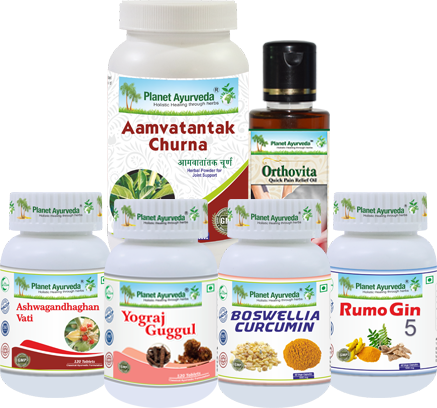
Herbal Remedies for Carpal Tunnel Syndrome

Product Description

1. Boswellia Curcumin

This tablet is a standardised pure extract of Shallaki (Boswellia Serrata), Curcumin (Curcuma Longa). This capsule helps to reduce inflammation and swelling around the carpal tunnel, relieves pain and discomfort associated with nerve compression. It improves blood circulation in the affected area.

Dosage : 1 capsule two times a day with lukewarm water


2. Rumogin

This capsule is a standardised pure extract of Haridra (Curcuma Longa), Sonth (Zingiber Officinale), Shallaki (Boswellia Serrata), Maricha (Piper Nigrum), Pippali (Piper Longum). It helps maintain joint health by alleviating pain and stiffness, while enhancing joint flexibility, thanks to its anti-inflammatory, anti-arthritic, and antioxidant properties.

Dosage : 1 capsule two times a day with lukewarm water after a meal


3. Yograj Guggul

This tablet is a standardised pure extract of Guggul (Commiphora mukul), Nagarmotha (Cyperus Rotundus), Chitrak (Plumbago Zeylanica), Amlaki (Emblica officinalis), Bibhitaki (Terminalia Bellirica), Pippali (Piper Longum), Kalonji (Nigella Sativa). These herbs used in this formulation help to strengthen the nervous system. It improves blood circulation and supports the health of nerves. It also helps to reduce pain, so it is very helpful in Carpal Tunnel Syndrome.

Dosage : 2 tablets two times a day with lukewarm water after a meal.


4. Ashwagandha Ghan Vati

This tablet is a standardised pure extract of Ashwagandha (Withania Somnifera). It is an adaptogenic herb and has anti-inflammatory properties. It helps to support the nervous system, which helps to alleviate nerve compression symptoms.

Dosage : 2 tablets two times a day with lukewarm water after a meal.


5. Aamvatantak Churna

This herbal powder is a pure blend of Ashwagandha (Withania Somnifera), Methi (Trigonella Foenum Graecum), Suranjaan (Colchicum Autumnale), Gorakhmundi (Sphaeranthus Indicus), Haridra (Curcuma Longa), Sonth (Zingiber Officinale). All these herbs used in this formulation help to reduce inflammation around the carpal tunnel. It helps to alleviate pain and improve circulation around the affected area.

Dosage : 1 tsp two times a day with lukewarm water after a meal.


6. Orthovita Oil

This oil is a Planet Ayurveda’s Patent Formulation. This oil is a blend of Shul Gajendra Oil, Gandhapura oil, Turpentine Oil, Saindhavadi Tailam, Camphor. These ingredients work together to create an exceptional formulation, contributing significantly to its benefits. Additionally, the Ortho Vita oil plays a key role in alleviating joint, bone, and muscle pain due to its ability to balance vata. This oil promotes smooth joint movement without any limitations and helps strengthen the joints over time.

Dosage : Apply this oil over the affected area.


Conclusion

In Conclusion, Ayurveda has no direct Correlation with Carpal tunnel Syndrome. It is correlated with Vata Vyadhi. Ayurveda offers a holistic approach to treat carpal tunnel syndrome by focusing on balancing the body’s doshas and addressing the root cause of the condition. Treatment for this condition includes Panchkarma therapies, Planet Ayurveda’s formulations, and some classic Ayurvedic formulations. Ayurvedic line of treatment for Carpal Tunnel syndrome helps to manage disease from its root cause. Thus, Ayurvedic management is very helpful in Carpal tunnel Syndrome.

Friday, May 23, 2025

Herbal Remedies for Trigeminal Neuralgia - Causes, Symptoms, Diagnosis & Treatment

Abstract

Trigeminal Neuralgia (TN) is a painful condition that causes sudden, sharp and stabbing pain along the face, usually triggered by simple activities like talking, chewing, or even a light touch. It's often described as one of the most agonizing conditions a person can experience. While it's rare, it mainly affects people over 50 and is more common in women. The pain comes from irritation or compression of the trigeminal nerve, though sometimes it’s linked to conditions like multiple sclerosis. The condition affects about 4-5 people per 100,000 each year. The condition can have a big impact on daily life, as the pain can be both sudden and severe, making everyday tasks difficult to manage.

Trigeminal Neuralgia

Introduction

Trigeminal neuralgia is also known as tic douloureux, a French term that roughly translates to "painful tic" or "painful twitch." The term tic douloureux highlights the disruptive nature of the condition, as it can occur suddenly and unpredictably, leading to significant discomfort and distress for those who suffer from it. This intense pain typically affects one side of the face and is usually triggered by everyday activities like talking, chewing, or even mild touch.

The Trigeminal Nerve

The trigeminal nerve is the fifth cranial nerve and is one of the largest nerves in the head. It has both sensory and motor functions, making it essential for sensation in the face and controlling certain movements, such as biting and chewing. The nerve is divided into three major branches, Ophthalmic branch (V1), Maxillary branch (V2) and Mandibular branch (V3). Disruption or irritation of the trigeminal nerve, as seen in conditions like trigeminal neuralgia, can cause intense pain and loss of sensation in the areas it serves.

Causes of Trigeminal Neuralgia

Trigeminal neuralgia can be caused by several factors, they are as follow:

  • Blood vessel pressing on the nerve
  • Multiple sclerosis
  • Tumor pressing on the nerve
  • Cyst or lesion affecting the nerve
  • Trauma to the face or head
  • Infections like shingles affecting the nerve
  • Idiopathic causes in some cases

Triggers of Trigeminal Neuralgia

Common triggers of trigeminal neuralgia include:

  • Touching the face
  • Chewing
  • Talking
  • Brushing teeth
  • Shaving
  • Smiling
  • Yawning
  • Drinking hot beverages
  • Cold drinks or food
  • Brushing hair
  • Rubbing eyes

Symptoms of Trigeminal Neuralgia

The symptoms of trigeminal neuralgia include:

  • Sudden, severe pain or electric shock-like pain, typically on one side of the face
  • Pain episodes can be triggered by light touch, chewing, speaking, brushing teeth, or even a breeze on the face
  • The pain typically affects the forehead, cheeks, jaw, and teeth, areas served by the trigeminal nerve.
  • Short episodes of pain that usually last for a few seconds to 2 minutes.
  • Unilateral pain
  • The affected area of the face may become overly sensitive to touch or certain movements.

Diagnosis

The diagnosis of trigeminal neuralgia typically involves the following steps:

  1. Medical history
    • History of injury or any other past illness
  2. Symptoms review
    • Pain patterns
    • Triggers
  3. Neurological examination
    • To check reflexes, sensation, and motor functions of the face
  4. Imaging tests
    • MRI
    • CT

Differential Diagnosis

Differential diagnosis for trigeminal neuralgia involves ruling out other conditions that could cause similar facial pain. These include:

  • Tooth infections, abscesses, or cavities
  • Temporomandibular Joint (TMJ) Disorders
  • Sinusitis
  • Cluster headache
  • Migraine
  • Glossopharyngeal Neuralgia

Management

Management of trigeminal neuralgia involves:

  1. Lifestyle changes
    • Avoid triggers
    • Apply warm compression to the face
    • Eating soft food
    • Avoid extremely hot or cold food
    • Stress management
  2. Medications
    • Anticonvulsants
    • Muscle relaxant
    • Antidepressant
    • Vitamin B12
  3. Surgery
    • Microvascular Decompression
    • Gamma Knife Radiosurgery
    • Rhizotomy

Ayurvedic Aspect

In Ayurveda, Trigeminal Neuralgia can be closely compared to Anantavata due to the striking similarities in their signs and symptoms. It is one of the 11 types of shiroroga (head disease). Anantavata (trigeminal neuralgia) is characterized by persistent, severe pain that affects the eyes, temples, and jaw. It is primarily caused by an imbalance of the tridoshas (vata, pitta and kapha), with the vata dosha being predominant. The nidana (causes) of Anantavata (trigeminal neuralgia) include factors like upavasa (fasting), ati shoka (excessive grief), consumption of sheeta bhojana (cold food), and atiruksha bhojana (dry food). Due to these nidana (causes) all three doshas (vata, pitta and kapha) become simultaneously vitiated and localised in the manya (neck), netra (eyes), bhru (eyebrows), and shankha pradesha (temples), leading to intense pain. This causes symptoms such as kampa (tremors), eye disorders, and hanugraha (jaw stiffness). These clinical features align closely with the painful episodes experienced in Trigeminal Neuralgia, making anantavata a relevant ayurvedic comparison. Ayurvedic treatments, particularly vaatahara (vata-balancing) and brihmana (nourishing) therapies are done to balance vata dosha and alleviating the symptoms of anantavata (trigeminal neuralgia).

Ayurvedic herbs that are used in the management of anantavata (trigeminal neuralgia) involves:

  • Brahmi (Bacopa monnieri) - Supports brain health, calms nerves, reduces stress.
  • Turmeric (Curcuma longa) - Anti-inflammatory, reduces pain and inflammation.
  • Guggul (Commiphora mukul) - Improves circulation, reduces inflammation, balances Vata.
  • Guduchi (Tinospora cordifolia) - Detoxifies, strengthens immunity, reduces pain.
  • Shankhapushpi (Convolvulus pluricaulis) - Enhances brain health, relieves nerve pain.
  • Ashwagandha (Withania somnifera) - Reduces stress, strengthens nervous system, balances Vata.
  • Vacha (Acorus calamus) - Nerve tonic, calms nervous system, improves cognition.
  • Curcumin (Curcuma longa) - Reduces pain and inflammation in nerve-related conditions.
  • Shallaki (Boswellia serrata) - Acts as an analgesic, helpful in alleviating nerve pain.
  • Chandan (Santalum album) - Cooling, anti-inflammatory, soothes irritated nerves.

Herbal remedies for Trigeminal Neuralgia by Planet Ayurveda

Planet Ayurveda is committed to offering high-quality products made from premium herbal extracts. Each product is thoughtfully formulated under expert supervision to guarantee optimal effectiveness. The company focuses on using preservative-free ingredients to minimize the risk of potential side effects. A highlight of their offerings is the Trigeminal Neuralgia Care Pack, specifically created to assist those managing Trigeminal Neuralgia.

Trigeminal Neuralgia Care Pack

Trigeminal Neuralgia Care Pack

Product description

1. Boswellia Curcumin

These capsules combine two powerful herbs, Shallaki (Boswellia serrata) and Curcumin (Curcuma longa), known for their anti-inflammatory and antioxidant benefits. These herbs are effective in alleviating inflammation in muscles, bones, tendons, as well as in treating skin conditions and allergies. With their antiseptic, anti-inflammatory, and antioxidant properties, they help improve circulation and provide pain relief, making them beneficial in managing pain associated with conditions like trigeminal neuralgia.

Dosage : 2 capsules twice a day after meal with warm water.

2. Hakam Churna

This churna is a blend of various herbs, including Chandershoor (Lepidium sativum), Kalonji (Nigella sativa), and Methi (Trigonella foenum-graecum), among others. These herbs work synergistically to support the body's healing process and can be beneficial in managing conditions like trigeminal neuralgia by reducing inflammation, improving circulation, and promoting overall nerve health.

Dosage : 1 tsp twice a day after a meal with warm water.

3. Ashwagandha Capsules

These capsules are formulated using a standardized extract of Ashwagandha (Withania somnifera), a well-known herb for promoting optimal neurological health. It possesses medhya (intellect-promoting), rasayan (rejuvenating), and dhatu pushti (tissue-strengthening) properties. Ashwagandha helps balance all three doshas, particularly calming vata and kapha. Its bitter and astringent taste, along with its hot potency and pungent after-effect, contribute to its ability to support brain and nerve health, making it beneficial for managing conditions like trigeminal neuralgia.

Dosage : 1 capsule twice a day after a meal with warm water.

4. Yograj Guggul

It is made with potent herbs like Guggul (Commiphora mukul), Pippali (Piper longum), Jeeraka (Cuminum cyminum), and several other herbs. This classic Ayurvedic remedy is crafted to enhance the strength of the body, muscles, and bones while also nourishing the nerve sheaths, helping to shield them from damage. It supports overall nerve health, making it beneficial for conditions like trigeminal neuralgia.

Dosage : 2 tablets twice a day after a meal with warm water.

Conclusion

In this article I have concluded about trigeminal neuralgia. We discussed its causes, triggers, symptoms, diagnosis, differential diagnosis, management, ayurvedic aspect and herbal remedies by planet ayurveda. A combination of medications, lifestyle adjustments, and in some cases, surgical interventions, can provide relief. Herbal remedies and Ayurvedic treatments for Trigeminal Neuralgia may also support the management of symptoms, offering additional options for those seeking a holistic approach to care.

Monday, May 19, 2025

How to Relieve Heart Pain Naturally, Home Remedies That Work!!

Abstract

Heart pain, often associated with various underlying conditions such as heartburn, angina, or stress, can cause significant discomfort and anxiety. While it's important to seek medical advice for any persistent or severe pain, several natural remedies can help alleviate mild heart pain or discomfort caused by non-serious factors. This article explores natural methods, including lifestyle changes, dietary adjustments, herbal treatments, and stress-relief techniques that can provide relief for heart pain. By understanding the underlying causes and incorporating these remedies, individuals can take proactive steps toward holistically managing their heart health.

Chest Pain, Heart Pain

Introduction

Heart pain is a common concern that many people experience at some point in their lives, and it can stem from a variety of sources, ranging from indigestion and anxiety to more serious heart-related conditions. While medical intervention is crucial for diagnosing and addressing serious heart issues, many individuals seek natural remedies to relieve mild heart pain or discomfort. These home remedies can complement traditional treatments and promote overall heart health. This article discusses various effective natural solutions, such as dietary changes, herbal remedies, and stress management techniques, aimed at reducing heart pain and improving heart function. Whether you're dealing with occasional discomfort or looking for ways to enhance your heart health, understanding these remedies can empower you to manage your condition safely and holistically.

Home Remedies For Heart Pain

Herbal remedies have been used for centuries to support heart health. Some herbs may help reduce inflammation, improve blood flow, and lower stress levels.

  1. Ginger - Ginger has powerful anti-inflammatory properties that can help improve circulation and reduce blood pressure. Drinking ginger tea or adding fresh ginger to meals may help alleviate mild chest pain related to poor circulation or anxiety.
  2. Garlic - Garlic is known for its heart-healthy benefits, including its ability to lower cholesterol and blood pressure and reduce inflammation. Eating raw garlic or using it in cooking can promote overall heart health and help relieve pain linked to cardiovascular issues.
  3. Krishna Kamal - It is also called the passion flower and is traditionally used in Ayurvedic medicine for its potential heart health benefits, including helping to control hypertension and improve overall heart function, strengthening heart muscles.
  4. Black cummin (Kalonji) - Kalonji oil is known to reduce bad cholesterol, low density lipoprotein (LDL), and triglycerides, thus reducing the risk of heart ailments. Including kalonji in your diet can encourage healthy blood circulation and decrease the chances of heart attacks.
  5. Turmeric - Turmeric contains curcumin, a powerful anti-inflammatory compound that may help reduce pain and inflammation in the chest. Turmeric can be consumed as a tea or in supplement form to promote heart health and relieve discomfort. Additionally, it may help reduce inflammation associated with heartburn or other digestive issues that cause chest pain.
  6. Hawthorn - It is a popular herb for promoting heart health. It contains antioxidants and compounds that help dilate blood vessels, improve blood flow, and reduce heart strain. Hawthorn tea or supplements can be taken, but it's essential to check with a healthcare professional before use, especially if you're on medication.
  7. Lemon Balm - Lemon balm is known for its calming effects, making it an ideal remedy for stress-induced chest pain. It can help alleviate anxiety and tension that could contribute to heart pain. Lemon balm can be consumed as a tea or tincture for its relaxing and heart-soothing properties.
  8. Apple Cider Vinegar - Apple cider vinegar (ACV) can help with heartburn or acid reflux, conditions that may cause chest pain. To use, dilute one tablespoon of Apple cider vinegarin a glass of warm water and drink it before meals. Apple cider vinegar can balance stomach acids and reduce irritation that might lead to heart-related discomfort.
    • How To Use It - To use apple cider vinegar for heart pain, mix one tablespoon of apple cider vinegar with a glass of warm water. You can add honey for sweetness if desired. Drink this concoction once or twice a day. Some people also recommend adding a little apple cider vinegar to meals to enjoy its cardiovascular benefits.

Some Precautions And Physical Exercises

  1. Warm Compress - Applying a warm compress to the chest area can help relax the muscles and relieve discomfort associated with heart pain. A heating pad or warm towel placed over the chest can provide soothing relief and may help alleviate muscle tension that could be contributing to the pain.
  2. Deep Breathing and Meditation - Stress and anxiety are common triggers for chest pain or discomfort. Practicing deep breathing exercises, yoga, and meditation can help manage stress and promote relaxation. Deep breathing encourages better oxygen flow to the heart and can reduce muscle tension in the chest.
  3. Yoga - Yoga combines gentle movements, stretching, and deep breathing, making it an excellent way to improve heart health and reduce pain. Many yoga poses, such as the Child's Pose and the Cat-Cow Pose, can help open up the chest and relieve tension, easing discomfort.

Some Dietary Changes For Heart Health

  1. Anti-Inflammatory Foods - Foods that are rich in antioxidants and have anti-inflammatory properties can be beneficial for the heart. Some examples include -
    • Berries (Blueberries, Strawberries, Raspberries)
    • Fatty fish (Salmon, Mackerel, Sardines)
    • Olive oil
    • Turmeric (with black pepper to enhance absorption)
  2. Reduce Salt Intake - Excessive sodium can lead to high blood pressure, which can contribute to heart pain. Try reducing your intake of processed foods, canned soups, and fast food, and aim to cook fresh meals at home using minimal salt.
  3. Magnesium-Rich Foods - Magnesium plays a vital role in muscle function, including the heart. Low magnesium levels can contribute to heart-related symptoms, including chest pain and irregular heart rhythms. Increasing magnesium intake can support heart function and help relieve discomfort. Some examples are Dark leafy greens (spinach, kale), Nuts and seeds (almonds, pumpkin seeds), Avocados, Bananas, Beans
    Adding more magnesium-rich foods to your diet may help prevent or alleviate heart pain. Magnesium supplements can also be considered, but always consult a doctor first.
  4. Healthy diet  - A balanced diet rich in fruits, vegetables, whole grains, and lean proteins can improve overall heart health and reduce the risk of heart pain caused by dietary factors. Foods rich in omega-3 fatty acids, like salmon, flaxseeds, and walnuts, may help reduce inflammation and improve heart health.
    • How It Helps - A healthy diet for heart disease can support cardiovascular health and reduce the risk of heart-related symptoms or conditions that cause chest pain.

Conclusion

Heart pain can be a distressing symptom, but natural remedies can often provide relief, especially when the cause is related to stress, anxiety, or mild circulatory issues. Herbal remedies, relaxation techniques, dietary adjustments, and other home treatments can all contribute to alleviating discomfort and promoting heart health. However, it's essential to consult with a healthcare provider to rule out any serious conditions and develop a personalized treatment plan. Always prioritize your well-being and act swiftly if you suspect a more serious heart issue.

Sunday, May 11, 2025

Ayuvedic Treatment for Xerostomia – Symptoms, Causes, Diagnosis & Herbal Supplements

ABSTRACT

Saliva is a vital bodily fluid made by the salivary gland, i.e., the parotid gland, the submandibular gland, and the sublingual gland. In adults, salivary glands make up about 0.5 - 1.5 liters. Saliva helps in various functions like speech, digestion, protects the gums and enamel, strengthens the tooth enamel, washes away the debris, helps in speech, and enhances the taste. Some diseases affect saliva production, such as AIDS, and autoimmune diseases like rheumatoid arthritis and Sjögren's disease can make salivary glands inflamed and painful.

Xerostomia

INTRODUCTION

In this article, we are going to talk about a disease called Xerostomia, in which salivary glands do not produce enough saliva, also known as Dry Mouth. Saliva flow is decreased by 50-60%. It is more common in women than men, elderly people (more common in people over 65 years of age), and people with certain medical conditions. When affected, there is dryness in the mouth, bad breath, thick saliva, and soreness.

CAUSES

The causes of Xerostomia are

  1. SMOKING : Habits like chronic smoking and chewing tobacco lead to dry mouth.
  2. MEDICATIONS : A dry mouth is a common side effect of prescribed medications like antihistamines, decongestants, and some muscle relaxants. Old people are more prone to dry mouth.
  3. ANXIETY : When the person experiences stress or anxiety, or the body activates fight or flight which suppresses the saliva production by salivary glands resulting in a dry mouth.
  4. DEHYDRATION : Conditions that lead to dehydration are high fever, vomiting, excessive sweating, diarrhea, blood loss, and burns can lead to dry mouth.
  5. SOME MEDICAL TREATMENTS : Damage to the salivary glands can affect saliva production. It can be done during radiation to the head or neck, or chemotherapy for cancer patients.
  6. NERVE DAMAGE : A dry mouth can be the result of nerve damage during the surgery or injury.
  7. SALIVARY GLAND PROBLEMS : Surgical removal of salivary glands can lead to a dry mouth.
  8. SPICY FOOD : Eating a lot of spicy food also hampers saliva production which may also lead to dry mouth in severe cases.
  9. SJOGREN DISEASE : In Sjogren's disease, there is chronic lymphocytic infiltration and inflammation of acinar cells resulting in gland damage which initiates the dry mouth.

SYMPTOMS

Here are the symptoms of Xerostomia

  1. Dryness in the mouth for a long time
  2. The patient might have bad breath due to less saliva production
  3. A dry or grooved tongue can be seen in the patient
  4. A burning or tingling sensation in the mouth, especially on the tongue
  5. The patient may have problems while chewing, swallowing, and tasting
  6. The tongue appears to be dry, red, and raw
  7. There is a classical sign of the tongue, the “Cobblestone” appearance of the tongue
  8. Frequent thirst

DIAGNOSIS

The clinical examination may include

  1. Fissured tongue and lips can be seen.
  2. Lack of saliva on the floor of the mouth.
  3. A biopsy of the salivary glands can be done.
  4. Sialography, which is 3D imaging of the salivary glands, can also be done to check for any mass or stone in the salivary gland.
  5. Sialometry in which saliva flow rate is checked and which should be around 1.5–2.0 ml/min, but if it is around 0.5–0.7 ml/min or less than 0.1 ml/min, then it can be hyposalivation leading to xerostomia.

TREATMENT

Managing xerostomia involves a combination of oral hygiene practices, hydration, and medical treatments to restore moisture

  1. The patient can stay properly hydrated by drinking lots of water.
  2. By avoiding certain foods and drinks that cause dry mouth.
  3. The patient can be suggested to use a saliva substitute such as carboxymethylcellulose, xylitol, or hydroxyethylcellulose.
  4. The patients can be recommended to use fluoridated kinds of toothpaste and gels.
  5. Avoid breathing through the mouth.
  6. Avoid alcohol or tobacco consumption.

COMPLICATIONS

There can be complications when xerostomia is not managed on time

  1. Candidiasis
  2. Dental Caries
  3. Angular Cheilitis
  4. Sialadenitis
  5. Dysphagia
  6. Mouth Ulcerations
  7. Gum Disease

HOME REMEDIES FOR XEROSTOMIA

Here are some home remedies for Xerostomia

1. Cardamom

It should be eaten after meals or at other times. It not only keeps away bad breath but also helps in saliva production. Another thing is that you can also drink cardamom tea or cardamom-infused water which has the properties to stimulate saliva production. This can provide relief from the discomfort of dry mouth.

2. Ginger

Ginger is a natural sialagogue, it can stimulate the salivary gland to produce more saliva. Some ways to use ginger for a dry mouth like chewing on raw ginger, ginger tea, and ginger spray. It shouldn't be used in excess as it produces heat in the body.

3. Aloe Vera

It is rich in antioxidants and a natural hydrating substance. It not only works on the dry mouth but also protects the tissue of the mouth. The patient can drink a quarter cup of half aloe vera juice once every day. Do not swallow the pulp just rinse it after keeping it in the mouth for a few minutes.

4. Hydration

Water has health benefits. Drinking water not only hydrates oral tissues but also lips, throat, and gums.

5. Lemon

Lemon has citric acid in it, which helps in the production of saliva by the salivary glands. This can provide relief from the discomfort of dry mouth. Here are some ways to use lemon for dry mouth. You can cut the lemon into two halves and suck it 1–3 times a day or drink the lemon tea or lemon water. Don’t use lemon in excess, as it has citric acid and can erode the tooth.

6. Fennel Seeds

Fennel seeds have metabolites and flavonoids that stimulate saliva production and control bad breath. You can chew the fennel seeds after a meal.

HERBAL REMEDIES FOR XEROSTOMIA BY PLANET AYURVEDA

Planet Ayurveda is a company that has GMP CERTIFIED, HACCP CERTIFIED, HALAL CERTIFIED, ISO CERTIFIED, and many more certifications. They make products not only for humans but for pets as well under the supervision of MD Practitioners. They make products that are 100% natural and have no side effects. These products do not contain any kind of synthetic materials or preservatives. These products help in managing various health problems.

Herbal Remedies for Xerostomia

PRODUCT DESCRIPTION

1. Gum Care Powder

This powder contains natural herbs like Sonthi ( Zingiber Officinale), Haritaki (Terminalia Chebula), Mustak (Cyperus rotundus), Pong (Areca Catechu), and many other herbs. Its herbal ingredients, like Neem, Clove, and Peelu, possess antibacterial and soothing properties, which can help maintain oral hygiene, reduce irritation, and stimulate salivation.

Method of Application : This powder is gently massaged on teeth and gums with 3-6 grams.

2. Acido Plan Syrup

This syrup contains herbs like Patola (Trichosanthes Dioica), Saunf (Foeniculum Vulgare), Triphala (Terminalia Chebula), Kokum (Garcinia Indica), Shatavari (Asparagus racemosus), Ghrit Kumari (Aloe Barbadensis), and Sajjikshar (Soda-Bi-Carb). Ingredients like Saunf (fennel), Ajwain, and Lemon if(Nimbu Satva) may stimulate salivary glands mildly, which may indirectly help manage dryness in the mouth.

Dosage : Take 1-2 teaspoons of syrup twice a day daily.

3. Neuro Plan Syrup

This syrup contains herbs like Brahmi (Bacopa Monnieri), Mandukaparni (Centella Asiatica), Shankhpushpi (Convolvulus Pluricaulis), Sonth (Zingiber Officinale), Maricha (Piper Nigrum), Pippali (Piper Logum), and Bhojpatra (Betula utilis), and so on. Its mild cooling and moisturizing effects soothe oral dryness naturally and help increase salivary secretion

Dosage : Take 1-2 teaspoons of syrup twice a day daily.

4. Chitrakadi Vati

It contains herbs like Piper Nigrum, Piper Longum, Piper Longum Root, Zingiber Officinale, Piper Chaba, and Ferula Asafoetida processed in pomegranate juice. Chitrakadi Vati helps in activating salivary gland secretions and improving overall fluid metabolism, thereby supporting natural moisture in the oral cavity.

Dosage : Take 1-2 tablets twice or thrice a day, daily with lukewarm water.

CONCLUSION

Everything considered, as a whole, Xerostomia or dry mouth can be seen in older people and is more commonly seen in women. It can be caused due to dehydration, anxiety, certain medications, smoking, nerve damage, or a patient undergoing radiation therapy. Its complications can vary from patient to patient and cause. At home, different remedies can be done, like chewing cardamom, ginger, or lemon, and so on. Clinically, it can be diagnosed by visual examination, sialography, and sialometry. At Planet Ayurveda, Xerostomia can be managed by using herbal remedies like Gum Care Powder, Acido Plan Syrup, Neuro Plan Syrup, and Chitrakadi Vati. For details, you can visit www.PlanetAyurveda.com

Thursday, March 6, 2025

How Food Preservatives Impacting Your Immune System? Food Additives are Making You Sick

ABSTRACT

Unfortunately, the word "preservative" is associated with negative connotations. There are several food additives, including artificial preservatives, that have similar negative effects. Everyone wants to eat clean and healthy food, so health comes first. There is a wide variety of processed and canned food products on the market. This affects many children, adults, and senior citizens, causing serious and life-threatening problems. The artificial preservatives harm the heart, liver, immune cells, kidneys, and other parts of the body. To avoid all of these serious health concerns, Planet Ayurveda created the "immunity care kit," which contains a variety of essential herbs that aid in the natural regeneration of immune cells and the fight against infectious diseases.

Preservative, Natural Preservatives, Artificial Preservatives, Types Of Preservatives, How Do Preservatives Work, Ayurvedic Overview, Herbal Remedies, Boost The Immune System

Keywords: natural and artificial preservatives, salt and sugar, TBHQ, food additives, immune boosters, standardized herbs, vikramprash, cancer-causing additives.

WHAT ARE PRESERVATIVES?

Preservatives are food additives that help food last longer and taste better. Preservatives were added to prevent food spoilage, making the food appear fresh even if it was prepared several days before. Food's odor, texture, color, and taste all appear to be the same, making it difficult to distinguish between fresh and unfresh foods.

HOW DO PRESERVATIVES WORK?

Preservatives help to control and prevent food deterioration, providing protection against spoilage caused by microbes such as bacteria, yeast, molds, and fungi. Preservatives are substances that play a crucial role in preventing foodborne illnesses and maintaining the quality of various products. They work by inhibiting the growth of microorganisms such as bacteria, yeasts, and molds, which can cause food spoilage and illness. Additionally, preservatives can slow down or stop oxidation, a chemical reaction that can lead to the degradation of food and other perishable items. By doing so, preservatives help extend the shelf life of products and ensure their safety and quality for consumers.

TYPES OF PRESERVATIVES

There are natural and artificial types of preservatives that have been added to the food products. Broadly, preservatives are categorized as antioxidants. To prevent the growth of bacteria, yeast, fungi and certain microbes. It is sometimes mandatory to use food additives, such as in pickles, where we add excess oil for its increased shelf life.

Table No. 1 - Below the table show the natural and artificial preservatives


Natural Preservatives Artificial Preservatives
The natural ones are derived from natural sources such as plants and animals. These are only made and synthesized in laboratories with the help of chemicals.
Oil, sugar, salt, vinegar, organic acids, and spices are among the listed ingredients. All of these act together to form a layer on the food surface. Nitrites, sodium benzoate, potassium sorbate, sulfites, and propionic acid are a few examples. These have a high shelf life.

Table No. 2 - Below the table shows the antioxidant and antimicrobial preservatives


Antioxidant Preservatives Antimicrobial Preservatives
Antioxidants are the compounds that delay or prevent the spoilage of food. Prevent the growth of microbes, bacteria, fungi and many others in cosmetics, food and pharmaceuticals as well.
Ascorbic acid (vit. C and ascorbates): in bakery wares, fruit juices, drinks and unprocessed fruits and vegetables. Sorbic acid and sorbate are commonly used in processed cheese, fruit and vegetables, bread rolls, and in fine bakery products.
Butylated hydroxyanisole BHA & BHT (hydroxytoulene): Oils, fat-containing products (lipids and glycerides). Benzoic acid and benzoate: used in flavoring fermented milk products; also in processed fish and fishery products.
Citric acids: Non - alcoholic beverages, Jams, Jellies, sauces, cheese, and canned vegetables. Natamycin: used over the surface of cheese and sausage.
Sulfur dioxide and sulfite compounds: dry fruits, fruit preservatives, potato products , mild beverages like wine. Propionic acids and propionates: vinegar, cheese and milk products, and coffee.
Nitrate and nitrite compounds: meat products, pizza, wraps/rolls sandwiches, and poultry products.

WHICH FOOD ADITIVES SHOULD BE AVOIDED?

A number of reasons are present there to avoid the food additives and preservatives that are present in the packages and processed food. These are all added to help keep food fresh longer and also reduce the risk of contamination. Not all the food additives are harmful; there are a few that can be strictly avoided, as discussed below:

Preservative Description Disease
TRANS FAT Trans fats, as seen on grocery store labels, are mentioned on the back of the packet. Companies add hydrogen to oil during the manufacturing process to change the texture and increase the shelf life of packaged food. Increases the risk of cardiovascular disease, type 2 diabetes and stroke.
SODIUM NITRITE This inhibits the growth of harmful bacteria in canned tuna, meats, and sausages. Pancreatic cancer, liver failure.
MONOSODIUM GLUTAMATE (MSG) It is comparable to salt or sugar. It is commonly used to enhance the flavor of savory dishes, particularly in Chinese and fast food. Chest pain, heart palpitations, nausea, weakness, numbness, tingling or burning in the face.
ARTIFICIAL FOOD COLOURING Edible food colors are used to color drinks and other foods. Harmful colorings are: yellow 5 and yellow 6, blue 1 and blue 2, and red dye 3. Hyperactivity, allergies, asthma attack.
HIGH FRUCTOSE CORN SYRUP It is less expensive than cane sugar, which is why manufacturers use this syrup. Found in sweet beverages, frozen pizza, cocktail peanuts, and even bread contains HFCS. Higher risk of NAFLD, obesity, and Type 2 diabetes.
ASPARTAME Artificial sweeteners are commonly used in diet or sugar-free sodas, chewing gum, jellies, Kool-Aid, and even chewable vitamins. Increase blood sugar levels, and even cause anxiety.

HOW ARE FOOD ADDITIVES HARMING THE IMMUNE SYSTEM?

Tert-butylhydroquinone (TBHQ), the worldwide used preservative in all the industries that can harm the immune system. For decades, this has been used to extend the shelf life of many processed foods and it is consumed by people of all ages. Many food additives perform multiple functions, including silently inhibiting the oxidation process and enzyme activity reactions. A study found that the chemicals used in food additives can cause immunotoxicity, which can cause a variety of health problems such as hypersensitivity, chronic inflammation, and immunosuppression. They can also harm the digestive system and cause a variety of autoimmune conditions. Refined grains and sugars can directly attack and increase inflammation and oxidative stress, which can completely destroy immune cells. Every health problem is related to the food we eat and where it comes from. In such cases, one should avoid eating junk food, processed foods, and canned goods. Prepare fresh food at home and consume clean food in sanitary conditions.

AYURVEDIC OVERVIEW

Ayurveda has designed everything perfectly to treat diseases with natural herbs. Nothing beats Ayurvedic formulations for healthy eating and maintaining physical and emotional health. People are increasingly turning to the ancient remedies described in Ayurvedic literature. In Ayurveda, immunity is known as Vyadishamathva', which combines the terms "Vyadhi" (disease) and "Kshamathva" (resistance). Rasayana is used exclusively in Ayurveda to promote health and improve immunity by resisting diseases. The basic rule for any health problem is to eat well.

HERBAL REMEDIES TO BOOST THE IMMUNE SYSTEM PROVIDED BY PLANET AYURVEDA

Planet Ayurveda provides the best and most effective treatment for improving immunity. Planet Ayurveda is an Ayurvedic brand that offers a variety of herbal formulations to treat autoimmune disorders. Medicines are created using pure standardized extracts and supervised by MD Ayurvedic experts. By following all of the ayurvedic principles, one can maintain natural resistance to disease and symptoms. Low immunity and health have symptoms like allergies, fatigue, weakness, respiratory issues, depression, stress and lack of sleep. Planet Ayurveda's simple tips can help you solve all of these problems. The immune care formulations given by Planet Ayurveda identify and destroy antigens that attack foreign cells, thereby rejuvenating the immune cells.

  1. Immune Booster
  2. Shwas Ambu Chai
  3. Vikramprash
  4. Immuno Plan Syrup
Preservative, Natural Preservatives, Artificial Preservatives, Types Of Preservatives, How Do Preservatives Work, Ayurvedic Overview, Herbal Remedies, Boost The Immune System

PRODUCTS DESCRIPTION

1. Immune Booster

Planet Ayurveda offers an immune booster in capsule form. It is made with standardized extracts of various herbs, like Grape seed (Vitis vinifera), Go - Piyush (std. extracts of Bovine colostrums), Bhumi amla (Phyllanthus niruri), and Amalaki (Emblica officinalis). These herbs improve the immune cells and improve immunity against several disorders.

Dosage: Take one or two capsules twice a day with plain water, after meals.

2. Shwas Ambu Chai

The shwas ambu chai of Planet Ayurveda is a blend of herbs like Tulsi (Ocimum sanctum), Lavanga (Syzygium aromaticum), Adrak (Zingiber officinale), Dalchini (Cinnamomum zelyanicum), Marchia (Piper nigrum) and Vasa (Adhatoda vasica). This helps eliminate the toxins from the respiratory tract and strengthens the immune system.

Dosage: Recommended use 1-2 cups of shwas ambu chai daily.

3. Vikramprash

Planet Ayurveda Vikramprash is in jelly form and is prepared by using the nourishing herbs such as Bilva (Aegle marmelos), Agnimantha (Premna mucronata), Bala (Sida cordifolia), Gokshura (Tribulus terrestris), Bhumiamalki (Phyllanthus niruri), Draksha (Vitis vinifera), Guduchi (Tinospora cordifolia), Punarnava (Boerhavia diffusa), Shatavari (Asparagus racemosus), Mandukparni (Centella asiatica), Manjistha (Rubia cordifolia), Tejapata (Cinnmomum tamala), Elaichi (Elettaria cardamomum), Madhu (honey) , Mishri (sugar), Naagkeshar (Mesua ferrea), Ashwagandha (Withania somnifera), etc. Vikramprash is made with all the essential and significant herbs that work synergistically to maintain and balance all the dosha. This is the most effective immunomodulator; it shows anti-inflammatory effects and increases the disease-fighting capacity of the body.

Dosage: Take one or two teaspoonfuls, twice or three times daily, preferably with milk.

4. Immuno Plan Syrup

The immunoplan syrup of planet Ayurveda is a sugar - free syrup composed of herbs like Mahua (Madhuca indica), Jeevanti (Leptadenia reticulata), Giloy (Tinospora cordifolia), Shatavari (Asparagus racemosus), Amalaki (Emblica officinalis), and Manjistha (Rubia cordifolia). This syrup is basically made to increase immunity with no side effects and balance all the doshas.

Dosage: Take one or two teaspoons twice daily or as prescribed by the ayurvedic practitioner.

Conclusion

This article concluded that Ayurveda has a wide range of applications for the treatment of various immune disorders. Food affects people primarily because they have a lower immunity. Preservatives were essential in extending the shelf life of foods. Natural preservatives are beneficial to health and do not have any negative side effects. As a result, preparing food in the home in a decent and hygienic manner can resolve all health issues and ensure the immune system's long and healthy life. Chemically synthesized artificial preservatives are used in large quantities; in the case of cosmetics and pharmaceuticals, we cannot directly avoid them, but we can mitigate their use. Hence, Ayurveda has given us the ability to manage our immunity and maintain a healthy lifestyle.

Tuesday, January 7, 2025

All About Shilajit: Benefits, Medicinal Uses, and Busting The Myths

ABSTRACT

In this modern world, everyone is more curious to gain information from the internet rather than books. As we know, Some of the information on the internet is true and some is false. There are so many myths or facts found on the internet about this interesting mineral pitch called shilajit, which we are going to clear in this article. Today we will discuss in detail about the myths and facts about shilajit along with its numerous health benefits.

Shilajit, Shilajit Benefits, Myths about Shilajit, Medicinal Properties, Ayurveda, Management, Treatment, Herbal Remedies, Shilajit Myths and Facts, Shilajit Medicinal Uses, Shilajit Indications, Shilajit Capsules

INTRODUCTION

Shlajit is also known as Ardhajatu, ASmaja, Gareya, Girija, saili dhatuja, Sailanieyasa etc. The rasa panchaka of shilajit includes tikta (bitter), katu (pungent) rasa (taste), katu (pungent) vipaka (effect after digestion). It mainly pacifies kapha dosha in the body and acts as a wonderful tonic and laxative. It is a natural rejuvenator and aphrodisiac. Now we will see some myths about shilajit.

MYTHS ABOUT SHILAJIT!!!!!

  • Shilajit is not for kids
  • Shilajit is only for men and women can’t consume it.
  • Shilajit acts immediately and acts as chemical booster.
  • Shilajit can only be used as viagra.
  • Shilajit should not be cleaned or refined as it sheds off its nutrients.

Let’s elaborate these myths and clarify them!!

  1. “Shilajit is not for kids” This is a myth that shilajit can only be consumed by young adults as it is an aphrodisiac or hot in potency. But this is not true children with 3 years of age or more than that can also consume this as it is a natural immunity booster and increases the ability of the body to fight with the infections. So use the purest form and take advantage of this wonderful mineral pitch (Asphaltum).
  2. “Shilajit is only for men and women can’t consume it” The another myth about shilajit is it can only be used by men due to its aphrodisiac property. Apart from its vajikaran (Aphrodisiac) action, it acts as antibacterial, immunity booster, rasayan (rejuvenator), anti-oxidant properties due to which it helps in improving stamina and strength So this shilajit can be taken by women also.
  3. “Shilajit acts immediately as chemical booster” It is a myth that shilajit acts immediately after taking and their result will be seen within 15-20 minutes. But this is not true. Shilajit will act slowly and give effective results in 2-3 months. So it is not a chemical booster, it acts slowly to give desirable results.
  4. “Shilajit can only be used as viagra” The most common myth about shilajit is that it is the alternative of viagra (A allopathic medicine to improve sexual activity in males). The first thing that comes in everyone's mind after listening about shilajit is this. So it is the biggest myth!! Because shilajit is a natural immunity booster. It improves stamina, strength and acts as anti-ageing. This nourishes each cell of the body and removes all the harmful endotoxins. So shilajit is an amazing rasayan which can be consumed by everyone.
  5. “Shilajit should not be cleaned or refined as it sheds off its nutrients” some other myth that comes is that shilajit can be taken in raw or unprocessed form because when it goes for refining it sheds off its nutritional value. But this is not true. As “International Journal of Ayurveda Research” warns to take impure form of shilajit because it contains fungus growth, free radicals etc. So it should be taken after a proper cleaning and refining process.

These are all the myths which should be replaced with the true facts that are already explained earlier. Now we will see some more medicinal benefits or properties about Shilajit.

MEDICINAL PROPERTIES

  • Immunity modulator
  • Antioxidant
  • Rasayan (rejuvenator)
  • Vajikarana (Aphrodisiac)
  • Diuretic
  • Anti-inflammatory
  • Antidiabetic
  • Anti aging
  • Relaxes nerves and central nervous system
  • Anthelmintic

INDICATIONS

Shilajit can be indicated in

  • Polyuria
  • Calculus
  • Diabetes mellitus
  • Dysuria
  • Asthma
  • Hemorrhoids
  • Anemia
  • Epilepsy
  • Hysteria
  • Edema
  • Skin diseases
  • Worm infestations

SHILAJIT CAPSULES BY PLANET AYURVEDA

Planet ayurveda is a GMP certified company offering herbal products across all over the world. They prepare lots of products for various health ailments under the guidance of expert ayurveda practitioners. And the best thing is that planet ayurveda products are devoid of any kind of side effects as they are prepared without adding any additive, preservative, chemical, colour, filler, binder etc.

Shilajit, Shilajit Benefits, Myths about Shilajit, Medicinal Properties, Ayurveda, Management, Treatment, Herbal Remedies, Shilajit Myths and Facts, Shilajit Medicinal Uses, Shilajit Indications, Shilajit Capsules

Our shilajit capsules are prepared with pure Shilajit Resin Form which has been attested by NABL, India. It has been our continuous endeavor to break the myths around Shilajit since it is rich in so many nutrients and good for overall health & wellbeing the Ayurveda way. We believe we will be able to achieve our target of reaching a much wider audience towards breaking the myths around a wonderful natural product ‘Shilajit’, which sadly has been branded just as an aphrodisiac by the marketeers till date. Resin is the purest form of Shilajit, with endless benefits. Shilajit contains more than 84 minerals that help enhance strength and stamina. It also has anti-oxidant and anti-microbial properties which help boost immunity.

The dosage of shilajit capsules can vary according to age or gender.The standard dosage should be 1 capsule once a day. But every medicine should be taken by advice or under supervision of expert doctors.

CONCLUSION

At last, we can conclude that shilajit is a wonder mineral which should be consumed by every individual to keep their health better. I Must say you should start taking this medicine as it will keep you away from all the diseases and boosts your immune system. So what are you waiting for??? Use this formulation and keep yourself safe and healthy.

Tuesday, October 22, 2024

Tick Borne Encephalitis & It’s Ayurvedic Treatment With Herbal Remedies

ABSTRACT

Central nervous system consists of the brain and Spinal cord. It controls maximum functions of the body. Hampering of these functions may lead to many disturbances in the body. Tick Borne Encephalitis is a condition in which symptoms are biphasic and include the central nervous system in the second phase. It occurs in parts of Europe, Asia, Russia, Japan and china. This condition is seen maximum in rural areas, mostly near the grassy area. Let us see about the TBE (Tick Borne Encephalitis), its causes, symptoms, prevention, Modern as well as Ayurvedic aspect.

Tick Borne Encephalitis, Causes Of Tick Borne Encephalitis, Signs Of Tick Borne Encephalitis, Symptoms Of Tick Borne Encephalitis, Ayurvedic Treatment for Tick Borne Encephalitis, Herbal Remedies

INTRODUCTION

It occurs due to a virus named (Tick Encephalitis Virus) It is a Flavivirus which shows symptoms in two phases, In the first phase it shows the generalized symptoms and in the second phase there is involvement of the neurological symptoms which might be fatal. It spreads through an insect bite when it bites the infected host and then transfers it to the next host. It also spread through consumption of raw milk, probably goat milk and raw cheese. It does not transfer from one person to another.

CAUSES OF TICK BORNE ENCEPHALITIS

  • Bite through an infected tick
  • Consumption of raw daily product
  • In touch with infected goats, cows, etc
  • Tick encephalitis Virus

DIAGNOSIS

  • Clinical examination for Sign and Symptoms
  • Travel history
  • Medical History
  • Blood culture
  • ELISA (enzyme linked immunosorbent assay)
  • Spinal fluid testing
  • Antibody testing (IGg and IGm)
  • TBE Virus test
  • CT Scan
  • MRI

SIGNS & SYMPTOMS OF TICK BORNE ENCEPHALITIS

Many people infected with this virus are asymptomatic. The incubation period ranges between 7-14 days but can extend to 4-28 days. The symptoms start with

  • Fever
  • Headache
  • Weakness
  • Body pain
  • Nausea
  • Vomiting
  • Red rash (Due to the insect bite)

These symptoms persist for 5 days

After the initial stage, one to two weeks or more there are no Symptoms, In the second phase, there is involvement of the central nervous system along with high fever and the symptoms include:

  • Sickness
  • Stiff neck
  • Aversion to lights
  • Drowsiness
  • Difficulty in speaking
  • Confusion
  • Behavioral changes
  • Seizures
  • Change in mental state
  • Infection in brain and spinal cord

PREVENTION

  1. Vaccination
  2. Full skin coverage
  3. Insect Repellents
  4. Avoid raw intakes of Daily products

TREATMENT

There is no specific treatment but this condition can be managed as the following:

  • Supportive care
  • Symptomatic treatment
    • Analgesics
    • Anti inflammatory
    • Antipyretic
    • Antiemetics
  • Rest
  • Fluids
  • Tracheal intubation
  • Respiratory Support

AYURVEDIC OVERVIEW

Ayurveda is an ancient ayurvedic medical system which deals with treating the disease through the ancient herbs, lifestyle and Diet. According to ayurveda, when we discuss the disorders pertaining to the nervous system or the neurological conditions there is dushti of majja dhatu and vata dosha.

In this condition there is predominance of Vata and Pitta dosha. Because of the Dusti of these doshas there is involvement of the nervous system and the digestive system. And due to the involvement of the Majja dhatu it affects the nervous system. Now, this Majja dhatu includes the nerves, Bone marrow and is responsible for the functions of the brain.

If we relate this perspective to tick borne encephalitis, the symptoms are very much related to vata and pitta dosha dushti, along with that there is neurological condition which directs towards the majja dhatu dushti.

HOW TO DIAGNOSE THROUGH AYURVEDA?

  • Darshana: This means the direct perception we make through eyes by seeing. In this condition we can check the tick bite, Area of the bite, Inflammation, Seizures etc.
  • Sparshana: The touch perception helps us in examining the symptoms such as fever.
  • Prashana: By questioning we can find about the symptoms the patient is experiencing such as weakness, Body pain, difficulty in speaking etc.

MANAGEMENT

1. Diet

Avoid taking foods which are vata and pitta increasing and follow a diet to balance the doshas and the majja dhatu. For example fresh vegetables and fruits, avoid packaged food and carbonated drinks.

2. Lifestyle

Try doing mild exercise, Quit smoking, Meditation, Acupuncture and warm baths are helpful.

3. Shodhana Therapies

Abhyanga, Danta dhavana, Gandoosha, Mukha prakshalana, Vyayam, Snehana, Swedana, Niruha basti, Anuvasana basti, Dhoomapana are the therapies which is useful in treatment of nervous disorders.

  • Abhyanga - It is the topical application (Massage) of the medicated oil over the body in Anuloman direction and pratiloma direction. In this condition it will heal in pacifying the vata dosha.
  • Dhantadhavana - This means cleaning of teeth with the help of the stem of medical plants such as khadira, Arka, Nimba.
  • Gandoosha - The medicated oil is filled in the oral cavity without moving.
  • Mukha prakshalana - Washing of the face with the help of warm water or Lodhra kashaya, Amalaka kashaya etc. according to the condition of the patient.
  • Snehana - This is an Oleation Therapy in which the Snehas such as oil, ghee, Majja is used to Oleate the person internally and externally. Ex. Dashmool oil.
  • Swedana - It is a herbal steam therapy, which helps in removing toxins from the body.
  • Niruha Basti - This is also known as kashaya Basti. A kashaya (Decoction) is prepared with medicated herbs and oils, Honey, Rock salt and administered through an anal route. This acts as a cleansing enema.
  • Anuvasana Basti - This is a sneh basti,made up of medicinal herbs and oil, mainly the oleating herbs administered through anal route and do the oleation.
  • Dhoomapana - Inhalation of herbal smoke.

4. Shamana Chikitsa

Various herbs will benefit in this condition such as Ashwagandha, Guggulu, Brahmi etc.

5. Ashwagandha (Withania somnifera)

Ashwagandha has immense benefits, in this condition it will reduce the vata and pitta dosha and will provide strength to the body and also calms the mind.

6. Guggulu (Commiphora mukul)

Guggulu is very much beneficial in reducing pain and inflammation due to its anti inflammatory and analgesic property. Thus, it helps in reducing the body pain and inflammation due to insect bites.

7. Brahmi (Bacopa monnieri)

Brahmi helps in suppressing the vata dosha, as this condition is neurological in the second phase which comes under vataja disorders, so intake of brahmi will help in relieving the symptoms.

HERBAL REMEDIES FOR TICK BORNE ENCEPHALITIS BY PLANET AYURVEDA

Planet ayurveda is an ayurvedic clinic which was established in 2002. It has its own manufacturing unit where the products manufactured are 100% safe, natural and pure. This manufacturing unit is GMP and ISO certified. This organization has been serving the society for more than 20 years and effectively treating all the chronic and autoimmune conditions. The medicines manufactured here are a blend of ancient herbs in various forms such as Tablets, Capsules, Herbal oils, Powders, syrups and also cosmetic products.

PRODUCTS LIST

  1. Neurogenie Capsules
  2. Boswellia Curcumin
  3. Tulsi Capsules
  4. Manjishtha Capsules
  5. Ashwagandha Capsules
Tick Borne Encephalitis, Causes Of Tick Borne Encephalitis, Signs Of Tick Borne Encephalitis, Symptoms Of Tick Borne Encephalitis, Ayurvedic Treatment for Tick Borne Encephalitis, Herbal Remedies

PRODUCTS DESCRIPTION


1. Neurogenie Capsules

It is a patent ayurvedic medicine which is prepared by Planet ayurveda including Brahmi (Bacopa monnieri) and Ashwagandha (Withania somnifera). It is considered a very good remedy for all neurological conditions. It controls Vata dosha, nourishes nerves and Stimulates the overall function. Because it contains Brahmi Ashwagandha which suppresses Vata dosha and strengthens the nerves and muscles, So it works beneficially in this condition.

Dosage: For Adults - Take 2 capsules twice a day after meals, For Children - Take 1 capsule twice a day.

2. Boswellia Curcumin

Boswellia Curcumin is a patented ayurvedic medicine by planet ayurveda which consists of Shallaki (Boswellia serrata) and Haridra (Curcuma longa) in capsule form. This formulation helps in maintaining healthy joints and overall functions of the body. Because curcumin is anti-inflammatory, it can fight infection and help heal it, and boswellia is analgesic and anti-inflammatory, which can help in treating pain and inflammation in this condition which arises due to insect bite.

Dosage: For Adults - Two capsules twice a day after meals, For Children - Take one capsule twice a day.

3. Tulsi Capsules

This is a single herb formulation made by standardized extraction of the herb Tulsi (Ocimum sanctum) in capsule form by Planet ayurveda. Due to its anti-inflammatory and antimicrobial properties it works in respiratory infection and may reduce the inflammation due to insect bite. Acts as anti allergic which can help in coping up with the symptoms of this condition as well as the antipyretic property of tulsi will help in reducing fever.

Dosage: For Adults - Take Two capsules twice a day, For Children - Take one Capsule twice a day.

4. Manjishtha Capsules

Manjishtha Capsules are the single herb formulation by planet ayurveda which consists of the herb Manjistha (Rubia cordifolia). It helps in purifying the blood and treating skin conditions. As it balances the Pitta dosha, it will help in decreasing the temperature of the body, Manjistha also helps in reducing nausea and vomiting. So it will help in treating overall symptoms of this condition.

Dosage: For Adults - Two capsules two times a day after meals, For Children - one capsule taken twice a day after meals.

5. Ashwagandha Capsules

This is a single herbal formulation made with the help of standardized exaction of the herb Ashwagandha (Withania somnifera). Ashwagandha relieves stress and anxiety. There is weakness in this condition and it helps in balancing vata and pitta dosha, therefore Ashwagandha helps in reducing the weakness and increasing the strength and muscles. It also enhances sexual function and fertility.

Dosage: For Adults - Take one capsule two times a day after meals, For Children - Take one capsule two times a day after meals.

CONCLUSION

It is a neurological condition which arises in the second phase and happens due to the infected insect bite. Tick borne encephalitis is well managed during its first phase but it can be difficult to manage it in the second phase and might need good supportive care. On the other hand in ayurveda it is related to vata pitta dosha dushti and majja dhatu dushti which can be managed with different therapies such as Basti, Abhanga etc and herbal remedies. There are some herbal remedies by Planet Ayurveda which are very effective in treating this condition.