Search This Blog

Dr. Vikram Chauhan - MD (Ayurveda)

Saturday, January 17, 2026

Brihat Kasturi Bhairav Ras - Medicinal Properties, Ingredients, Indications, Dosage & More

Reference : Bhaishajya Ratnavali

Introduction

Fever of Unknown Origin refers to a persistent elevated body temperature, typically above 38.3°C (101°F) for more than three weeks, without an identifiable cause despite thorough investigation. It poses a diagnostic challenge in modern medicine due to its wide range of possible origins, including infections, autoimmune disorders, malignancies, and rare systemic conditions. In Ayurveda, persistent fever is understood as a manifestation of Jwara, often linked to imbalances in Doshas, particularly Pitta, and accumulation of Ama (toxins). Today we will talk about one such formulation which works wonderfully in managing these kinds of fevers i.e Brihat Kasturi Bhairav Ras. Let’s Start!

Ingredients

  1. Kasturi – Musk
  2. Karpura – Cinnamomum camphora
  3. Tamra Bhasma – Copper calx
  4. Flowers of Dhataki – Woodfordia fruticosa
  5. Kaunch Beej – Mucuna pruriens
  6. Rajata Bhasma – Silver calx
  7. Swarna Bhasma – Gold calx
  8. Mukta Pishti – Pearl calx
  9. Pravala Pishti – Coral calx
  10. Lauha Bhasma – Iron calx
  11. Patha – Cissampelos pareira
  12. Vayavidanga (Vidanga) – Embelia ribes
  13. Nagarmotha – Cyperus rotundus
  14. Sonth (Dry Ginger) – Zingiber officinale
  15. Khas (Vetiver) – Vetiveria zizanioides
  16. Purified Hartala (Manikya Rasa) – Orpiment (Purified arsenic trisulfide)
  17. Abhraka Bhasma – Mica calx
  18. Amla (Amla fruit) – Emblica officinalis (Phyllanthus emblica)

All ingredients to be taken in equal quantity.

Description Of Ingredients

1. Kasturi (Musk)

In Ayurveda, Kasturi is Ushna and Teekshna, helping to stimulate Agni and counter Kapha-induced fever. Scientifically, it exhibits central stimulant and anti-inflammatory effects, aiding thermoregulation and rapid fever resolution.

2. Karpura (Camphor)

Karpura pacifies Kapha and Pitta, clears Avarana of channels, and relieves fever with restlessness. Modern studies show antipyretic, antimicrobial, and mild analgesic actions through TRP channel modulation.

3. Tamra Bhasma (Copper Calx)

Tamra bhasma enhances Yakrit (liver) function and digests Ama, useful in chronic and toxic fevers. Copper demonstrates antimicrobial, immunomodulatory, and enzymatic co-factor roles in immune defense.

4. Flowers Of Dhataki (Woodfordia fruticosa)

Dhataki is Sheetala and Raktapitta-shamaka, helpful in inflammatory and infectious fevers. It contains tannins and flavonoids with antipyretic and antimicrobial properties.

5. Kaunch Beej (Mucuna pruriens)

Kaunch acts as a Balya and Rasayana, restoring strength during prolonged fever. L-DOPA and antioxidants help reduce oxidative stress and support neuro-immune balance.

6. Rajata Bhasma (Silver Calx)

Rajata bhasma pacifies Pitta and stabilizes Ojas, aiding fevers with burning and debility. Silver exhibits antimicrobial and immunoregulatory effects, limiting pathogen load.

7. Swarna Bhasma (Gold Calx)

Swarna bhasma is a potent Rasayana that enhances immunity and cellular resilience in recurrent fevers. Modern research shows immunomodulatory and anti-inflammatory activity at nano-particle levels.

8. Mukta Pishti (Pearl Calx)

Mukta pishti is Sheetala and Pitta-shamaka, reducing fever-associated heat and irritability. Rich in calcium compounds, it supports neuromuscular calm and anti-stress responses.

9. Pravala Pishti (Coral Calx)

Pravala balances aggravated Pitta and supports cardiac stability in high-grade fevers. It shows antacid, cooling, and mineral-supportive actions in systemic inflammation.

10. Lauha Bhasma (Iron Calx)

Lauha bhasma improves Rakta dhatu and corrects post-febrile anemia and weakness. Bioavailable iron supports oxygen transport and immune cell function.

11. Patha (Cissampelos pareira)

Patha pacifies Pitta-Kapha and is indicated in Vishama Jwara (intermittent fevers). Alkaloids like berberine show antipyretic and antimicrobial activity.

12. Vayavidanga (Embelia ribes)

Vidanga removes Ama and Krimi, useful in fevers linked to parasitic or gut toxins. Embelin exhibits antimicrobial, antioxidant, and anti-inflammatory effects.

13. Nagarmotha (Cyperus rotundus)

Nagarmotha balances all three Doshas and corrects Agni dushti in fever. It contains sesquiterpenes with proven antipyretic and analgesic actions.

14. Sonth (Dry Ginger)

Sonth is Ushna and Deepana, digesting Ama and relieving chills in fever. Gingerols inhibit prostaglandin synthesis, producing antipyretic and anti-inflammatory effects.

15. Khas (Vetiveria zizanioides)

Khas is Sheetala and Daha-prashamana, relieving burning sensation and thirst in fever. Vetiver exhibits antioxidant and mild antipyretic properties.

16. Purified Hartala (Manikya Rasa)

Hartala, after purification, acts on stubborn and toxic fevers by breaking Dosha-Ama complexes. Arsenic sulfide compounds show controlled antimicrobial and immune-modulating effects when properly processed.

17. Abhraka Bhasma (Mica Calx)

Abhraka is a Rasayana supporting tissue repair and strength in chronic fevers. It improves mitochondrial function and enhances bioavailability of nutrients.

18. Amla (Emblica officinalis)

Amla pacifies Pitta, enhances Ojas, and prevents post-fever debility. Rich in vitamin C and polyphenols, it shows strong antioxidant and immunomodulatory activity.

Method Of Preparation

  • First, triturate Kasturi and Karpura for 3 hours in the juice of Calotropis gigantea leaves.
  • Then mix the fine cloth-filtered powder of the remaining drugs and triturate again for 3 days using juice of Calotropis gigantea leaves.
  • At last Prepare pills of 1–1 ratti each.

Special Instruction

Cover the medicine well after daily use so that Kasturi and Karpura do not evaporate excessively.

Indications And Clinical Use

  • The original author has described Brihat Kasturi Bhairav as effective in all types of fevers, including Visham Jwara, Dwandwa Jwara, Bhautik Jwara, Kama Jwara, Abhishangaja Jwara, Shatrujanya Jwara, Sannipata Jwara, Dakini-krita Jwara, and fevers arising from Grahani disorders. In such conditions, it should be given with ginger juice.
  • This formulation is deepana (digestive stimulant), vata-hara, and mastishka-shamak (calming to the nervous system). It is useful in cough, diabetes, tuberculosis, chronic diarrhea, both new and old irregular fevers, relapsing fevers, fever with tremors (Dhunvarti), and fever due to bhuta-prakopa. In these diseases, ginger juice is administered as Anupana.
  • The chief ingredient is Kasturi. Whenever there is a need for its principal actions—namely immediate neutralization of toxins and digestion of undigested ama—this Brihat Kasturi Bhairav formulation is employed.
  • In Sannipata conditions: When repeated attacks occur, or when symptoms of vata aggravation such as delirium, unconsciousness, mental instability, restlessness, etc. predominate, or when fever rises above 102°F, this medicine produces remarkable benefits. If the abdomen contains severely vitiated accumulated waste, purification of the bowels should first be performed using castor oil or glycerin suppository.
  • In Sannipata fever, improperly digested and vitiated rasa often remains present in the digestive system and blood, which on entering circulation produces complications. If excessive sweating, coldness, mild delirium, thirst, very rapid pulse, tremors, and debility appear, this medicine should be administered with Aakadi Kwath or Tagaradi Kwath.
  • In delirious Sannipata, anupana of Tagaradi Kwath is especially beneficial and If delirium and unconsciousness occur, Brahmi (Bacopa monnerie) should also be given along with Tagaradi Kwath.
  • Sutikajwara (Puerperal Fever): Specifically, when toxins enter the blood during the postpartum period, Sutikajwara develops. Characteristic symptoms include vata-dominant aggravation so When these conditions are present, administering this rasa along with Dashamoola decoction produces immediate benefit.
  • In mild Kasturi Bhairav, Vatsanabha is included; therefore, when weakness of the heart is present, it is not given repeatedly. In such conditions, Brihat Kasturi Bhairav is administered decisively. This rasa is considered excellent in Vatashana Sannipata. Not only this, it provides good benefits in pittaja, Vataja, and vata-kapha dominant fevers. It strengthens both the heart and brain, digests ama, and thereby helps in curing fever.
  • Chronic And Persistent Fevers – When fever persists for many days, the disease becomes lodged in the dhatus along with toxins. In such fevers, when cardiac dysfunction, insomnia, delirium, and marked physical weakness appear, Brihat Kasturi Bhairav provides faster relief than other medicines.
  • Irregular Fevers – Sometimes due to improper diet or errors in treatment, fever does not subside for many days, weakness increases, the patient becomes irritable, fever rises repeatedly at irregular times and remains mild during intervals. Enlargement of the liver and spleen may also occur. In such aggravated fevers, when protection of the heart and brain becomes necessary, Brihat Kasturi Bhairav is given priority.
  • Mental Disorders – In individuals of delicate constitution, men, women, and children, fear during waking or dreaming leads to involuntary passage of stool and urine. Subsequently, digestive and cardiac functions become impaired. Sometimes the fear impression becomes so strong that recollection repeatedly occurs at intervals, again causing loss of stool and urine. This is considered a psychological disorder. Some patients develop fever, some do not; some develop bleeding disorders and dysentery. The root cause of all these disorders is mental affliction. Therefore, administering Brihat Kasturi Bhairav in such conditions acts like a blessing. Along with these measures encouragement of mental courage and enthusiasm should also be adopted, and remedies that strengthen the mind should be used.
  • Abdominal Worm Infestation – When worms infest the intestines, anemia and jaundice develop. In these conditions, the intestines should first be purified using anthelmintic and purgative medicines. Thereafter, Brihat Kasturi Bhairav is administered to relieve symptoms such as vata aggravation, itching, dryness of skin, debility, loss of appetite, and other associated disorders.
  • Unmada (Psychosis) – Sometimes due to fear and mental affliction, fever or diarrhea does not occur, but excessive vata aggravation leads to the manifestation of unmada. This is called Bhuta-prakopa Unmada. It may remain calm for some time, then mental disturbances arise, leading to impulsive bravery, running, shouting, jumping, laughing, and crying. In such conditions, Brihat Kasturi Bhairav or other Kasturi-containing vata-pacifying medicines are administered.
  • Antravidradi (Enteric fever), Kshat (wound), Vrikkashmari (kidney stones) induces Pus formation. As the condition progresses, chills appear and fever manifests two to three times daily. Although sweating occurs, it does not produce lightness; instead, weakness increases. The urine becomes turbid or pus-like in appearance due to rakta-dushti and āma elimination. Fever may rise to approximately 103°F. In such conditions, Brihat Kasturi Bhairav is administered to control fever, stabilize Vāta, and strengthen cardiac function, while simultaneous treatment is undertaken to remove the primary underlying pathology.

Dosage And Adjuvant

1–2 pills along with ginger juice, coconut water, decoction of Aakadi Kwath, Pratyadi Kwath, Tagaradi Kwath, or Devadari Kwath. It is administered with Belgiri, Jeera powder, and honey in Aamatisara, Grahani, and Jwaratisara.

Contraindications

Brihat Kasturi Bhairav Ras is contraindicated in pregnancy, lactation, children, individuals with weak digestion, liver or kidney disorders, metal allergies, and those with aggravated Pitta.

Conclusion

Brihat Kasturi Bhairav Ras plays a significant role in managing fevers, particularly those that are persistent or difficult to diagnose. By balancing the Doshas and supporting the body’s natural immune response, it helps reduce excessive heat, inflammation, and associated symptoms. Its carefully purified mineral and herbal formulation ensures potency while minimizing toxicity when used appropriately. If combined with proper diet, lifestyle, and Ayurvedic therapies, it aids in restoring overall vitality and strength.

Thursday, January 15, 2026

Herbal Remedies for SCA12 Disease - Spinocerebellar Ataxia Type 12 Ayurvedic Management

ABSTRACT

Genetic diseases arise from inherited or spontaneous alterations in DNA that disrupt normal physiological functions, often leading to chronic, progressive, or lifelong disorders. While modern medicine focuses on diagnosis, genetic counseling, and symptomatic management, holistic systems add a broader perspective to care. Ayurveda interprets genetic conditions through concepts such as Beeja and Beejabhaga dushti, emphasizing constitutional strength, metabolic balance, and long-term tissue nourishment. In this article we will discuss one such genetic disease that is SCA- 12 and its ayurvedic management.

Spinocerebellar Ataxia Type 12

INTRODUCTION

Spinocerebellar Ataxia Type 12 often referred to by the shorthand "SEA12" in specific regional contexts is a rare, progressive neurodegenerative disorder. It is primarily characterized by an involuntary "action tremor," which typically appears in the hands or head and worsens during voluntary movement. As the condition advances, patients often develop cerebellar ataxia, leading to difficulties with balance, coordination, and gait. In terms of prevalence and prognosis, SCA12 is a unique disorder characterized by a striking geographical and ethnic concentration. Globally, the disease is exceptionally rare, yet it represents a significant portion of ataxia cases in Northern India, particularly within the Agarwal community due to a strong founder effect. The prognosis is generally more favorable than other spinocerebellar ataxias; it is a slowly progressive condition that typically does not shorten the patient's life expectancy. Most individuals experience an onset of tremors between their 30s and 50s, but they often remain ambulatory for many years before coordination issues become severe. While late-stage complications can include mild cognitive decline or parkinsonism, many patients maintain a high degree of independence for decades after their initial diagnosis.

CAUSES

Spinocerebellar Ataxia type 12 is caused by a genetic mutation involving an abnormal expansion of CAG trinucleotide repeats in the PPP2R2B gene, which plays an essential role in maintaining normal cerebellar nerve function. This mutation leads to the production of toxic proteins that gradually damage and degenerate cerebellar neurons, particularly Purkinje cells, resulting in impaired coordination, tremors, and speech difficulties. The condition follows an autosomal dominant inheritance pattern, meaning a single affected parent can transmit the disorder to offspring. SCA-12 is not caused by infections, trauma, diet, or lifestyle factors, although stress, aging, and alcohol intake may worsen symptom progression.

SYMPTOMS

The symptoms of Spinocerebellar Ataxia Type 12 (SCA12) typically emerge between the ages of 30 and 50 and follow a unique progression that distinguishes it from other forms of ataxia.

EARLY-STAGE SYMPTOMS

The most common first sign of SCA12 is an action tremor, occurring in roughly 90% of cases.

  • Action Tremor: Unlike the resting tremor seen in Parkinson’s, this tremor appears when the person is actively using their muscles (e.g., reaching for a cup, writing, or holding their head up).
  • Location: It usually starts in the hands (affecting handwriting) or the head (causing a "yes-yes" or "no-no" shaking motion).
  • Hyperreflexia: Many patients show abnormally brisk reflexes early on, which a doctor can detect during an exam.

MID-TO-LATE STAGE SYMPTOMS

As the disease slowly progresses over several years, more classic "ataxic" symptoms begin to appear:

  • Gait Instability: Walking becomes uncoordinated or "drunken" in appearance. However, many SCA12 patients remain able to walk independently for a long time.
  • Dysarthria: Speech may become slurred, slow, or "scanning" (broken into unnatural rhythms).
  • Hand Dystonia: Some patients develop involuntary muscle contractions that cause the hands to twist into unusual postures.
  • Subtle Parkinsonism: Features like muscle stiffness (rigidity) or slowness of movement (bradykinesia) may develop in later years.

NON-MOTOR & NEUROPSYCHIATRIC SYMPTOMS

Recent research highlights that SCA12 is not just a movement disorder; it also affects the "cortical" or thinking parts of the brain.

  • Psychiatric Manifestations: Anxiety and depression are very common and can sometimes appear even before the tremors.
  • Cognitive Decline: Many patients eventually experience mild-to-moderate cognitive impairment, particularly affecting executive function (planning and organizing) and memory.
  • Autonomic Issues: Some may experience urinary symptoms or other issues with the body's automatic functions.

DIAGNOSIS

Diagnosis of SCA12 is a three-step process focused on distinguishing it from common tremors:

  • Clinical Exam: A neurologist looks for the "hallmark" combination of action tremors (shaking during movement) and hyperreflexia (overactive reflexes).
  • Genetic Testing (Definitive): This is the only way to confirm the disease. A blood test is performed to count the CAG repeats in the $PPP2R2B$ gene; a count of 51 or higher confirms SCA12.
  • Imaging (MRI): Brain scans are used to identify atrophy (shrinkage) in both the cerebellum (balance center) and the cerebral cortex, which helps rule out other conditions like Parkinson's or a stroke.

MODERN TREATMENT

Modern treatment for SCA12 focuses on aggressively managing tremors and maintaining mobility. The standard approach includes:

  • Tremor Suppression: Long-acting Propranolol is the first-line gold standard medication. For resistant cases, doctors use Primidone or Botox injections to stabilize head and hand shaking.
  • Coordination Support: Riluzole or the newer Troriluzole are used off-label to slow balance decline.
  • Mental Health: Routine use of SSRIs (antidepressants) to treat the anxiety and depression that are common in SCA12.
  • Rehabilitation: Intensive physical and occupational therapy is mandatory to prevent falls and adapt daily tasks to tremors.
  • Future Front: Clinical trials are currently exploring Gene Silencing (ASOs) and CRISPR to stop the genetic mutation at its source.

AYURVEDIC OVERVIEW

In Ayurveda, Spinocerebellar Ataxia type 12 can be correlated with a Vata-pradhana Majjā-gata Vikāra, where degeneration of the nervous system reflects chronic Vata vitiation and Dhātu kṣaya, especially of Majjā Dhātu. Since SCA-12 is a hereditary disorder, its origin can be explained through the classical concept of Bīja Duṣṭi a defect in the bīja (genetic seed) or bījabhāga as described in Ayurvedic texts leading to congenital or familial diseases. This inherent defect predisposes the individual to structural and functional weakness of the nervous system, which later manifests clinically under the influence of age, stress, and Vata-aggravating factors. Vitiation of Prāṇa, Udāna, and Vyāna Vāta results in tremors, impaired coordination, gait imbalance and speech difficulty. Ayurvedic management emphasizes Vāta-śamana (pacification and regulation of aggravated Vata), Bṛṃhaṇa Chikitsā (nourishing and tissue-building therapy), and Rasāyana Chikitsā (rejuvenation and neuro-protective therapy) aiming to support neurological function slow degeneration, and improve quality of life despite the genetic basis of the disease.

बीजात्मकर्माशयकालदोषैर्मातुस्तथाऽऽहारविहारदोषैः| कुर्वन्ति दोषा विविधानि दुष्टाः संस्थानवर्णेन्द्रियवैकृतानि|| वर्षासु काष्ठाश्मघनाम्बुवेगास्तरोः सरित्स्रोतसि संस्थितस्य| यथैव कुर्युर्विकृतिं तथैव गर्भस्य कुक्षौ नियतस्य दोषाः||  Charak Samhita Sharir Sthana 02/ 29-30

The first verse states that defects in the bīja (sperm and ovum), influences of past karmas (bījātma karma), abnormalities of the uterus (āśaya), improper timing (kāla), and the mother’s faulty diet and lifestyle (āhāra–vihāra doṣa) lead to the vitiation of doṣas. These vitiated doṣas then produce various structural and functional abnormalities in the fetus, affecting body formation (saṃsthāna), complexion (varṇa), and sense organs (indriya). This establishes the classical basis for hereditary, congenital, and developmental disorders in Ayurveda.

The second verse explains this process through a metaphor. Just as a tree standing in a river during the rainy season becomes distorted due to strong currents, stones, and debris, the fetus developing in the womb becomes affected when vitiated doṣas act upon it. The analogy highlights that the fetus, though inherently delicate, is shaped positively or negatively by its surrounding internal environment. Together, these verses clearly describe how genetic defects (bīja duṣṭi), maternal factors, and internal doṣic imbalance contribute to congenital abnormalities, a concept closely aligning with modern ideas of genetic and prenatal influences.

Clinical case studies (including those from institutions like the National Institute of Ayurveda) have shown that a structured Panchakarma approach can improve the SARA (Ataxia Rating) scores of patients:

  • Basti (Medicated Enema): Considered the most powerful tool for Vata disorders. Specifically, Mustadi Rajayapana Basti or Ksheerabasti (milk-based enemas) are used to provide deep nourishment to the nervous system.
  • Shirobasti & Shirodhara: Medicated oil is poured or held on the head to stabilize the brain's "Chetana Sthana" (center of consciousness and coordination).
  • Abhyanga & Pinda Sweda: Full-body massages with oils like Dhanwantharam Thailam, followed by heat therapy using medicated rice boluses (Shashtika Shali), help reduce muscle wasting and tremors.

KEY AYURVEDIC HERBS

  • Ashwagandha: A potent neuroprotective adaptogen that helps with nerve regeneration and reduces anxiety.
  • Brahmi: Improves synaptic plasticity and coordination.
  • Kapikacchu: Contains natural L-dopa, which can help manage the parkinsonian-like stiffness seen in late-stage SCA12.
  • Vacha: Often used to improve the "scanning speech" (dysarthria) associated with ataxia.

Modern Ayurvedic centers often combine these therapies with Yoga (Pranayama) to improve balance. While these treatments do not change the genetic CAG repeat count, they are increasingly used alongside modern medicine to improve the "functional quality of life."

HERBAL REMEDIES FOR SCA12 DISEASE BY PLANET AYURVEDA

Planet Ayurveda is a trusted Ayurvedic healthcare brand dedicated to delivering safe, natural, and effective herbal formulations rooted in classical Ayurvedic wisdom. All products are manufactured in a GMP-certified facility, ensuring strict quality control, purity, and consistency at every stage of production. The formulations are prepared using authentic herbs, free from chemicals, preservatives, additives, yeast, soy, fillers, and artificial colors. Planet Ayurveda blends ancient time-tested recipes with modern scientific validation to support holistic health and long-term wellness. With a strong commitment to authenticity, sustainability, and patient safety, Planet Ayurveda offers reliable Ayurvedic solutions for a wide range of health concerns.

  1. Vrihat Vatchintamani Ras
  2. Neurogenie Capsules
  3. Dashmularisht
  4. Brahmi Ghrit
  5. Sida Withania Thailam
  6. Triphala Guggul
Herbal Remedies for SCA12 Disease


PRODUCT DESCRIPTION

1. Vrihat Vatchintamani Ras

This is a classical herbo-mineral formulation available in tablet form indicated in severe Vata-dominant neurological disorders. It contains potent ingredients such as Swarna Bhasma (Calx of gold), Rajata Bhasma (Sliver calx), Abhraka Bhasma (Mica calx) etc. It helps to pacify aggravated Vata, nourish Majja Dhatu and support neuronal stability. The formulation enhances nerve conductivity, improves coordination, reduces tremors and supports speech and cognitive functions. Its Rasayana action helps to slow the neurodegeneration and promotes strength and resilience of the nervous system.

Dosage - 1 tablet twice daily with plain water after a meal.

2. Neurogenie Capsules

This is a herbal capsule formulation composed of neuro-protective herbs like Brahmi (Bacopa monnerie), Ashwagandha (Withania somnifera).  It is designed to strengthen brain function and support nervous system health in chronic neurological conditions such as SCA-12. Brahmi enhances neuronal communication and cognitive clarity, while Ashwagandha acts as an adaptogen that protects neurons from degeneration, calms excessive neuronal excitability and reduces mental stress. Neurogenie Capsules helps to improve the coordination, memory, focus and stress tolerance while supporting cerebellar function and overall neurological stability.

Dosage - 1 capsule twice daily with plain water after meals.

3. Dashmularisht

It is a classical fermented liquid preparation made from the Dashamula group of ten roots, including Bilva (Aegle marmelos), Agnimantha (Clerodendrum phlomidis), Shyonaka (Oroxylum indicum), Patala (Stereospermum suaveolens), and Gambhari (Gmelina arborea) etc. This formulation is widely used in Vata disorders affecting muscles and nerves. Dashmularisht helps to reduce muscle stiffness, weakness, tremors, and fatigue by pacifying aggravated Vata and improving neuromuscular coordination. The fermented form enhances absorption and digestion, ensuring better tissue nourishment. It also supports metabolism and circulation, indirectly strengthening nerve function and improving mobility and endurance in progressive neurological conditions.

Dosage - 2 tsp twice daily with plain water after meals.

4. Brahmi Ghrit

This is a medicated ghee formulation prepared using Brahmi (Bacopa monnerie), Shankhpushpi (Convolvulus pluricaulis), Vacha (Acorus calamus) and pure cow’s ghee. It is classified as a Medhya Rasayana and is especially beneficial in disorders involving brain degeneration and impaired coordination. Brahmi Ghrit nourishes Majja Dhatu and supports cerebellar health, helping to improve speech clarity, balance, and motor control. The ghee acts as an effective carrier, enhancing the delivery of herbal actives to the brain.

Dosage - 1 tsp twice daily with plain water after meals.

5. Sida Withania Thailam

This is a medicated oil used for external application prepared using herbs such as Bala (Sida cordifolia), Ashwagandha (Withania somnifera) and a sesame oil base. It is highly effective in Vata-related neuromuscular disorders and is commonly used for Abhyanga therapy. In SCA-12, local application helps improve muscle tone, reduce stiffness, tremors, and weakness, and enhance nerve-muscle coordination. Bala strengthens nerves and muscles, while Ashwagandha nourishes tissues and improves endurance. Regular massage improves circulation, relaxes rigid muscles, and supports better balance and gait stability.

Dosage - Locally applied on the affected area.

6. Triphala Guggul

This is a herbal tablet formulation made from Triphala—Haritaki (Terminalia chebula), Bibhitaki (Terminalia bellirica), and Amalaki (Emblica officinalis)—combined with purified Guggulu (Commiphora mukul). Although primarily known for its detoxifying and anti-inflammatory properties, it plays a supportive role in managing SCA-12 by improving metabolism, circulation, and tissue nourishment. It helps regulate Apana Vata, reduces systemic inflammation, and enhances nutrient absorption, which is crucial in chronic neurodegenerative conditions.

Dosage - 2 tablets twice daily plain water after meals.

CONCLUSION

In conclusion, SCA-12 challenges individuals not only physically but also emotionally, demanding consistent care, patience, and adaptability. A comprehensive and integrative approach focuses on sustaining strength, coordination, and mental balance while supporting daily functioning and long-term wellbeing. By emphasizing individualized planning and continuous support, care strategies can help individuals remain active participants in their lives rather than passive sufferers of the condition. With informed guidance, compassion, and persistence, people living with SCA-12 can move forward with confidence—holding on to hope, dignity, and the reassurance that they are not alone on this journey.

Wednesday, January 14, 2026

How does Yakrit Plihantak Churna help with SGOT / SGPT Levels?

Abstract

The liver is one of the most vital organs of the human body, responsible for metabolism, detoxification, digestion, immunity and regulation of biochemical balance. Liver diseases are increasingly common due to unhealthy diet, alcohol consumption, infections, metabolic disorders and drug toxicity. Elevated liver enzymes like SGOT (AST) and SGPT (ALT) are key indicators of liver cell injury. As per Ayurveda, liver disorders are due to disturbances of Agni (metabolic fire), Pitta Dosha and Rakta Dhatu (blood tissue). So, let’s discuss in detail.

Liver Health

Introduction

Any impairment in liver function affects the entire body. Liver diseases affect millions worldwide and are often marked by elevated SGOT (AST) and SGPT (ALT) levels that show hepatocyte damage. Common disorders include fatty liver (steatosis from fat buildup), viral hepatitis, cirrhosis (scarring) or alcohol induced damage and these all diseases strain the liver. Most liver diseases initially present silently and abnormal liver enzymes may be the first detectable sign. So what exactly are these enzymes?

So, SGOT and SGPT are enzymes that are found in the hepatocytes and they are measured in the blood tests. They are markers of liver cell damage.

SGOT (ASP)

It is Serum Glutamic Oxaloacetic Transaminase or Aspartate Aminotransferase. It aids in amino acid metabolism, converting them for energy use across multiple tissues. It is found in the liver, heart, skeletal muscles, red blood cells, kidneys, etc. Its normal range is 5–50 IU/L.

SGPT (ALT)

It is Serum Glutamic Pyruvic Transaminase or Alanine Aminotransferase. It breaks down alanine into energy, mainly supporting liver protein metabolism and detoxification. It is mainly found in the liver cells. Its normal range is 7–56 IU/L.

So SGPT is more liver specific than SGOT. Elevated levels often signal liver damage from hepatitis, alcohol use, fatty liver, cirrhosis, or medications.

In Ayurveda the liver is considered the main site of Ranjaka Pitta, which is responsible for blood formation and metabolic transformations and its dysfunction arises primarily from Pitta dosha aggravation and Agni (digestive fire) derangement. Ayurveda counters this through hepatoprotective herbs that detoxify, reduce inflammation and regenerate liver cells, balancing vitiated doshas. There are various ayurvedic herbs that can help to lower these enzymes effectively, supported by holistic lifestyle changes for sustained health.

Some Of These Herbs Are

1. Kutki

Picrorhiza kurroa contains active compounds like picroside I, kutkoside, etc. which help stabilize hepatocyte (liver cell) membranes. This reduces leakage of SGOT/SGPT into the bloodstream, helping normalize their levels. It stimulates hepatocyte regeneration thus aiding in the repair of damaged liver cells.

2. Bhumiamla

Phyllanthus niruri exhibits strong hepatoprotective and antiviral activity. It contains alkaloids like phyllanthin, hypophyllanthin which stabilize hepatocyte membranes. It also inhibits viral replication in hepatitis B and helps in reducing liver inflammation. It is particularly useful in viral hepatitis induced enzyme elevations.

3. Kalmegh

Andrographis paniculata contains andrographolide that is anti-inflammatory, antioxidant and hepatoprotective. It modulates liver enzymes by reducing oxidative stress and suppressing pro inflammatory cytokines in hepatocytes. It is especially effective in toxin or drug induced SGOT/SGPT elevation.

4. Bhringraj

Eclipta alba primarily has regenerative properties thus making it excellent for chronic liver damage recovery. It is rich in wedelolactone and flavonoids and promotes hepatocyte regeneration and protects against oxidative damage. It enhances bile flow and helps in improving detoxification.

5. Kaasni

Cichorium intybus contains chicoric acid, inulin, etc. that stimulate liver cell metabolism and bile secretion and helps in reducing liver congestion. It has a strong choleretic effect (enhances bile secretion and flow) thus supporting bile flow and fat metabolism.

6. Makoy

Solanum indicum is particularly effective in chemical or toxin induced liver injury and helps in supporting cellular protection and repair. It helps to stabilize hepatocyte membranes and reduce inflammatory cytokines. It acts as an antioxidant, protecting liver cells from chemical or viral injuries.

7. Punarnava

Boerrhavia diffusa has both hepatoprotective and mild diuretic actions and is very helpful in liver congestion with edema or ascites. It lowers liver enzyme levels by improving liver detoxification and repairing damaged hepatocytes.

8. Sharpunkha

Tephrosia purpurea has strong antioxidant properties and cholagogue effects and is useful in fatty liver and chronic hepatic stress. It helps to protect liver cells from oxidative and chemical stress. It enhances bile secretion and promotes detoxification.

And all these herbs are combined together and are found in the Planet Ayurveda’s Yakrit Plihantak Churna. This is 100% natural, vegetarian, free of preservatives and chemical free and many researches are done on this product that demonstrate its effectiveness and its role in managing the condition.

Yakrit Plihantak Churna

It is a Clinically Tested Ayurvedic Formulation of Planet Ayurveda which is available in powder form. It contains the above-mentioned herbs which work synergistically to reduce hepatic inflammation, improve bile flow, enhance antioxidant defenses and promote regeneration of hepatocytes. It strengthens the hepatocytes cell membrane and supports controlled hepatocyte regeneration by reducing oxidative stress while allowing physiological repair.

Yakrit Plihantak Churna

Yakrit Plihantak Churna

Dosage

1 tsp twice daily with plain water after meals.

Conclusion

The liver is a powerful yet vulnerable organ that silently endures metabolic and toxic stress. Elevated SGOT and SGPT levels are warning signs of liver stress and damage. While modern medicine focuses on symptomatic management, Ayurveda provides a comprehensive framework to restore liver health by correcting Agni (digestive Fire), pacifying Pitta, removing toxins and rejuvenating liver tissue. Herbal medicines like Bhumi Amla (Phyllanthus niruri), Kutki (Picrorhiza kurroa), Kalmegh (Andrographis paniculata) and Bhringaraj (Eclipta alba) offer natural, effective support in managing liver diseases and normalizing liver enzymes, making Ayurveda a valuable complementary approach to liver care.

Tuesday, January 13, 2026

Nagabala, Snake Mallow (Sida Veronicaefolia)- Ayurvedic Medicines, Uses, Benefits & More

ABSTRACT

Nagbala, scientifically known as sida veronicaefolia , looks like the movement of snakes on land thus it is named as nagabala (Snake Mallow). It is a distinguished herb in Ayurveda known for its amazing therapeutic benefits. Its traditional use as a potent Rasayana aids in balancing the Vata and Pitta doshas, enhancing overall health and longevity. Each part of this plant from its roots and fruits to the leaves plays a crucial role in its wide-ranging therapeutic applications. It is traditionally used to cure respiratory problems, support reproductive health, manage bleeding conditions, and treat various skin disorders. Beyond these uses, Nagbala acts as a nervine and brain tonic, enhancing mental clarity and vitality. Its potent anti-inflammatory and rejuvenative qualities and dosha-balancing properties all promote overall holistic wellness.

Nagabala, Snake Mallow, Sida Veronicaefolia

INTRODUCTION

Nagbala (Sida veronicaefolia), a treasured herb in Ayurveda, is renowned for its remarkable ability to rejuvenate vitality, strengthen the body, and manage overall well-being. Deeply rooted in traditional healing wisdom and supported by modern scientific insights, this Malvaceae family plant continues to be a trusted natural remedy for addressing a wide array of health concerns.

There are many herbs used for this herb like Grewia populifolia, Sida spinosa, Urena lobata, Grewia hirsuta. But overall it is known that - nagbala is sida veronicaefolia and gangeruki is Grewia hirsuta.

SCIENTIFIC CLASSIFICATION

  • Kingdom: Plantae
  • Phylum: Tracheophyta
  • Class: Magnoliopsida
  • Order: Malvales
  • Family: Malvaceae
  • Genus: Grewia
  • Species: Grewia hirsuta
  • Botanical name: sida veronicaefolia

SYNONYMS

  • Gangeruki
  • Jhasha
  • Hrasvagavedhuka
  • Vishvadeva
  • Kharagandhika
  • Khanda
  • Arishta
  • Mahashakha
  • Gaurakshatandula
  • Khargandha
  • Chatupala
  • Madam
  • Mahapatra
  • Mahafala
  • Mahagandha

OTHER VERNACULAR NAMES

  • Family name : Malvaceae
  • English : Country mellow
  • Sanskrit : Bala , vatyalika.
  • Hindi : Jungli Maithi , Bariyar , khrainti
  • Gujarati : Bal , Bala
  • Marathi : Chikaran

HABITAT

Sub-himalayan tract from the indus to nepal up to 1,500 m, also in hills of Bihar, Orissa and Tamil Nadu and in Rajasthan, Koknakadi.

MORPHOLOGY

Nagbala is a shrub with coarse gray or brown hairy branches. The leaves are lance-shaped or heart-shaped (cordate), black-brown when dried, usually 6-14 cm long and 2-3.5 cm wide, with 4-5 pairs of lateral veins. Flowers are white, small, axillary in cymes, changing color from white to yellow then brown. Fruits are small, globose, yellow on ripening. The roots are brown and cylindrical. Ayurvedically, it has Madhura (sweet) and Kasaya (astringent) tastes, Guru (heavy), Snigdha (unctuous), and Picchila (sticky) qualities, a cool potency (Sheet Virya), and sweet metabolic effect (Vipaka). It is used to balance Vata and Pitta doshas with Rasayana (rejuvenative) properties.

CLASSICAL CATEGORISATION

  • As per Dhanwantri Nighantu : Guduchyadi varga.
  • As per kaiyadeva Nighantu : Aushadi varga.
  • As per Bhavprakasha Nighantu : Guduchyadi varga.
  • As per Raj Nighantu: Shatavahadi varga .
  • As per Madanpala Nighantu: Abhayadi varga.

SHLOKAS

Shloka No. 1

बलाऽऽ चाऽतिबला चैव महाबलबलाऽ बलाऽ।
अन्या राजबला चेति बलायाः पञ्चकं मतम् ॥ २७९ ॥ (Dhanvantri nighantu,Guduchyadivarga shloka no.271)

In Shloka's interpretation - Bala , atibala, nagbala, mahabala and rajbala - they constitute bala panchak.When two bala -bala or atibala get mix with nagbala they called Balatraya and when these three bala get mix with mahabala then they called balachatushtay .If rajbala also get with them then called panchbala.These are the five varieties of Bala.Together, these five herbs form a potent combination which used to enhance physical health , immunity, and overall well-being. Each variety of bala plays a vital role in our overall health. Let's discuss them.

Bala (Sida cordifolia Linn)is  used to strengthen muscles, bones, and joints, acting as a rejuvenative and tonic.

Atibala (Abutilon indicum Linn) is used for its strong anti-inflammatory, pain-relieving, wound-healing properties and  also for supporting kidney and liver health.

Mahabala (Sida rhombifolia Linn) is also called the "Great strength" that boosts overall physical strength.

Nagbala (Grewia hirsuta Vahl) enhances immunity and promotes a vital role in giving strength and protection to the body.

Rajbala (Sida veronifolia Linn) also called ‘’Royal Bala’’ is used to nourish the blood and improve general body strength.

Shloka No. 2

तप्तपित्तवातजिद्‌ ग्राही बल्यं वृष्यं च कृच्छ्रजित् ।
स्निग्धं मधुरमायुष्यं दाहासृदरनाशनम् ॥ २८० ॥ (Dhanvantri nighantu Guduchyadivarga shloka no.280)

Shloka’s interpretation - It describes the action and functions of bala panchak . Pacifies pitta and vata, styptic,tonic,spermopiotic,cures dysuria, burning sensation and vaginal bleeding , snigdha, sweet and anti-aging.

PHARMACOLOGICAL PROPERTIES

  • Rasa (Taste): Madhura (Sweet) and Kasaya (Astringent)
  • Guna (Qualities): Guru (Heavy), Snigdha (Unctuous), Pichhila (Sticky)
  • Virya (Potency): Sheeta (Cold)
  • Vipaka (Post-digestive effect): Madhura (Sweet)
  • Effects on Doshas: Balances Vata and Pitta doshas.

THERAPEUTIC INDICATION

  • It is Vatapittshamak (pacifies Vata and Pitta doshas).
  • Stops bleeding (Raktstambhan), alleviates pain (Vednasthapan), and promotes wound healing (Varanropan).
  • Acts as a nervine tonic (Nadibalya) and brain tonic (Medhya).
  • Acts as a lubricant (Snehan), relieves acidity (Amlanashak), and promotes downward movement of digestive fire (Anuloman).
  • Pacifies blood and Pitta disorders (Raktpitshamak)
  • Removes excess Kapha (Kaph Nisarak).
  • Acts as an aphrodisiac (Vrishya) and supports fetal protection and maintenance (Garbhasthapan).
  • Acts as a diuretic (Mutral).
  • Relieves burning sensations (Dahprashaman) and fever (Jvaraghan).
  • Acts as a rejuvenator (Rasayana).

SYSTEMIC ACTIONS

  • Nervous system : helps in strengthening the nervous system.
  • Circulatory system : Nutritional and antioxidant properties help in general weakness, oxidative stress-related conditions, and tissue rejuvenation.
  • Cardiovascular system : helps by lowering bad cholesterol and improving blood circulation, which can reduce risks of heart diseases.
  • Digestive system  helps with condition like gastritis, indigestion, and constipation
  • Respiratory system : It helps with  treatment for chronic cough, bronchitis, and tuberculosis.
  • Urinary and reproductive system : Health uses make it relevant for various urinary tract disorders and female reproductive system health issues.

CHEMICAL COMPOSITION AND ACTION

  • Alkaloids such as ephedrine, vasicine, and vasicinone, which are notable for their bronchodilatory, expectorant, anti-inflammatory, and cough-suppressing effects.
  • Flavonoids include kaempferol, quercetin, and rutin, compounds renowned for their antioxidant, anti-inflammatory, and antimicrobial capabilities.
  • Tannins : these are polyphenolic  compounds with strong astringent properties that contribute to its antimicrobial, antioxidant, and wound-healing potential.
  • Sterols such as β-sitosterol and stigmasterol offer further anti-inflammatory and immunomodulatory benefits.
  • Other than these Nagbala comprises other biologically active substances like quinazoline, gossypol, sterculic acid, linoleic acid, various fatty acids, phenethylamines and mucin.

PRACTICAL USES AND BENEFITS

  • Consume 3 to 5 grams of its root powder with warm milk and a spoonful of honey or ghee regularly to improve physical health , longevity, and nervous system health.
  • Prepare a decoction or juice of Nagbala root mixed with Arjuna bark and drink it with milk. To Treat Respiratory disorders like bronchitis, chronic cough , asthma and also for Lungs and Heart health.
  • Take fresh Nagbala leaves crushed into a paste and use it for pain management. It gives relief from joint inflammation, arthritis pain, and sciatica by reducing swelling and soothing nerves.
  • Use of decoction of its leaves combined with black salt, helps strengthen digestion and nutrient absorption. It helps to treat diarrhoea and poor appetite .
  • Use as a natural aphrodisiac, Its seeds or root powder take with milk to enhance sperm quality and sexual vigor. Also used for urinary tract infections, cystitis, leucorrhea and the bleeding associated with piles, often taken with honey or sugar for soothing effects.
  • For boosting immunity its root is combined with herbs like amla and ashwagandha boiled in milk with jaggery and drink it.

PART USED

  • Whole plant: Commonly used for various medicinal preparations.
  • Root (Mula): Used in powdered form or decoctions to promote strength and treat respiratory and cardiac disorders.
  • Leaves: Used for digestive issues, anti-inflammatory purposes, and wound healing.
  • Fruit (Phala): Used for various therapeutic applications.
  • Flowers (Puspa): Employed in some formulations for their medicinal properties.
  • Stem and branches: Sometimes used along with other parts in herbal mixtures.

DOSAGE

  1. Mula churan (Root powder)  - 5- 10 gm
  2. Kwatha (Decoction) -  40-80 ml
  3. Phala (Fruit) - 3-6 gm
  4. Pushpa (flower) - 3-6 gm
  5. Panchang churan (five parts churan)- 3-6gm

AYURVEDIC MEDICINE

Classical Medicines

  • Lakshadi Guggul
  • Manasamitra Vatakam
  • Baladya Ghrita
  • Nagabala- Arjunadi yoga
  • Dhanvantri Tailam
  • Nagabala Rasayana
  • Maha vishagarbh Taila
  • Bala Taila
  • Ksheerbala taila
  • Mahanarayana taila 

Planet Ayurveda Products

CONCLUSION

Nagbala (Sida cordifolia) is a vital Ayurvedic herb known for its ability to balance body doshas vata and pitta. It is traditionally used as a rejuvenator to enhance strength, nerve health, and respiratory function. The herb’s anti-inflammatory and analgesic properties make it effective for treating joint pain, respiratory ailments, and promoting overall vitality. Nagbala is also valued as a natural aphrodisiac and immunity booster, with multiple applications in classical Ayurvedic remedies. Its versatile use in powders, decoctions, and oils embodies Ayurveda’s holistic healing approach, making Nagbala an essential herb for maintaining health and resilience naturally.

Monday, January 12, 2026

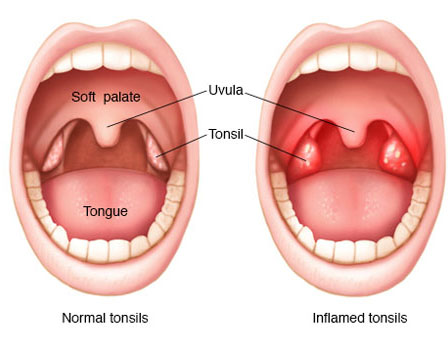
How to Treat Recurrent Tonsillitis Without Surgery – Ayurveda Guide

Abstract

Tonsils are small, lymphoid tissues located on either side of the throat that play a critical role in the immune system. They act as the first line of defense against pathogens entering through the mouth and nose. However frequent infections can lead to recurrent tonsillitis which is defined as multiple episodes of tonsil inflammation typically more than three infections per year. Frequent antibiotic use for acute episodes may lead to resistance highlighting the need for alternatives. Modern science recommends surgical removal. So, let’s discuss the alternatives and how ayurveda helps to treat this recurrent disease.

Tonsillitis

Introduction

Recurrent tonsillitis is a chronic inflammatory condition of the tonsils characterized by multiple episodes of throat infections over a defined period. This condition can affect both children and adults causing discomfort, difficulty in swallowing, fever and reduced quality of life. It is the inflammation of the palatine tonsils usually caused by viral or bacterial infection. Pathogens colonize the tonsillar crypts triggering the immune response. This leads to vasodilation, leukocyte infiltration and cytokine release causing swelling, redness, pain and sometimes pus formation and leads to systemic effects like fever, malaise and lymph node enlargement occur due to cytokines.

Causes

Recurrent tonsillitis may occur due to a combination of environmental, immunological and lifestyle factors. It include:

  • Bacterial Infection: Mainly due to Streptococcus pyogenes but can also be caused by Staphylococcus aureus and Haemophilus influenzae.
  • Viral Infections: Adenoviruses, influenza viruses and Epstein-Barr virus can trigger repeated throat inflammation.
  • Chronic allergic reactions can cause inflammation and enlargement of the tonsils.
  • Immune deficiency

Symptoms

  • Sore throat
  • Fever and chills
  • Red and swollen tonsils
  • Bad breath (Halitosis)
  • Swollen lymph nodes
  • Ear pain
  • Voice changes
  • Fatigue

Signs

  • Enlarged (hypertrophied) tonsils
  • Congested and inflamed tonsillar surface
  • Presence of whitish or yellowish exudates on the tonsils
  • Enlarged and tender cervical lymph nodes
  • Redness of the surrounding pharyngeal wall
  • Scarring or fibrosis of tonsillar tissue in long-standing cases
  • Mouth breathing in children due to enlarged tonsils

Complications

  • Peritonsillar abscess
  • Tonsillar hypertrophy
  • Snoring and obstructive sleep apnea
  • Difficulty in swallowing and altered voice
  • Recurrent otitis media (ear infections)
  • Chronic sinusitis
  • Cervical lymphadenitis
  • Reactive arthritis
  • Repeated antibiotic exposure and resistance

Diagnosis

It involves a combination of clinical examination and investigations.

  • Appropriate medical history
  • Throat Swab and Culture
  • Bloods tests like CBC to rule out infections or allergies
  • Imaging tests to rule out abscess.

Treatment

Treatment is broadly divided into non surgical (medical) and surgical approaches.

1. Medical Treatments

It is the first line approach and focuses on treating acute episodes with appropriate antibiotics when a bacterial infection is suspected or confirmed along with antipyretics and analgesics to relieve fever and throat pain.

2. Surgical Treatment

Surgery involves removal of the tonsils (tonsillectomy). It is recommended in patients who do not respond adequately to conservative care or who meet established criteria such as seven or more episodes in one year, five episodes per year for two consecutive years or three episodes per year for three years or having complications.

Ayurvedic Overview

In Ayurveda, Tundikeri is the condition that closely correlates with tonsillitis. In this, the agni (digestive fire) weakens which leads to formation of ama (metabolic toxins) and the aggravation of Kapha Dosha in the body. These two cause heaving, swelling and mitigates and lodges in the oropharyngeal tissues causing srotorodha (obstruction of the microchannels) and further aggravated the Pitta Dosha also. Pitta dosha along with the rakta dhatu (blood tissue) causes inflammation, burning and local tissue damage leading to the given symptoms of tissue. When due to improper dietary and lifestyle habits these dosha and dhatu (tissue) are aggravated very frequently, it leads to recurrent tonsillitis. Thus its management emphasizes Kapha Pitta Shamana (pacification), Ama Pachana (digestion and elimination of metabolic toxins) and local therapies such as Kavala and Gandusha (medicated gargles) along with systemic herbal formulations and dietary regulation aiming to control inflammation, prevent recurrence and preserve the physiological role of the tonsils rather than removing them surgically.

Shaman Chikisa (Pacifying Treatment)

In the management certain herbs are used which possess properties like lekhana (scrapping), shothara (anti inflammatory), ropana (healing), rakta stambhana (blood clotting promotors), vedanasthapaka (analgesic) and Kapha Pitta shamana (Kapha and pitta dosha pacification).

Commonly Used Formulations

  • Shringyadi Churna
  • Sitopaladi Churna
  • Talishadi Churna
  • Pushkaramoolasava
  • Pippalyasava
  • Shwaskuthara Rasa
  • Khadiradi Vati, etc.

Dietary Changes In Tonsillitis

  • Prioritize soft, warm foods like vegetable soups, khichdi, oatmeal and herbal teas with ginger or Tulsi to soothe the throat and aid digestion without irritating inflamed tonsils.
  • Include Vitamin C rich options such as amla, guava or cooked citrus in moderation.
  • Avoid dairy, spicy, fried or acidic foods that increase mucus and Kapha Dosha.
  • Limit caffeine, alcohol and heavy meat.

Lifestyle Changes To Follow In Recurrent Tonsillitis

  • Gargle daily with warm saltwater.
  • Turmeric milk to reduce local inflammation and Kapha Dosha
  • Practice oil pulling with sesame oil for antimicrobial effects.
  • Stay hydrated with warm fluids and avoid cold exposure or overcrowding.
  • Drink plenty of warm fluids like herbal teas, warm water and soups to soothe the throat and prevent dryness.

Herbal Remedies For Tonsillitis By Planet Ayurveda

Planet Ayurveda is a renowned herbal and Ayurvedic healthcare company dedicated to promoting natural, safe and effective solutions for a wide range of health conditions. Established with a vision to provide authentic, classical Ayurvedic formulations, Planet Ayurveda combines the wisdom of ancient Ayurveda with modern quality standards. It offers several clinically validated herbal formulations to manage recurrent tonsillitis in a non surgical way. The Tonsillitis Care Pack is very effective in the management of tonsillitis. It includes:

Product List

  1. Khadiradi Vati
  2. Septrin Tablets
  3. Fev-lo Capsules
  4. Fluendza Capsules
  5. Tulsi Capsules
  6. Vara Churna

Tonsillitis Care Pack

Tonsillitis Care Pack

Product Description

1. Septrin Tablets

It is a tablet formulation of Planet Ayurveda which consists of Haldi (Curcuma longa), Guggul (Commiphora mukul), sunthi (Zingiber officinale), maricha (Piper nigrum) and others. It helps in pacifying Vata and Kapha dosha which are responsible for throat pain, swelling, and mucus accumulation. It contains active alkaloids like eugenol, curcumin which helps enhance the body’s natural defense mechanisms, reduce inflammation, and provide antimicrobial support.

Dosage: 1 - 2 tablets twice daily with warm water after meals.

2. Khadiradi Vati

It is a classical ayurvedic tablet formulation prepared by Planet Ayurveda which consists of khadir (Acacia catechu), Javitri (Myristica fragrans) and others. It helps to reduce inflammation, clear mucus, and pacify doshas. Research studies show its antimicrobial and anti-inflammatory effects, helping to limit microbial growth and relieve local tissue inflammation, thus providing symptomatic relief and supporting faster healing of the tonsils. It also works as a lozenge thus helps in clearing the kapha from the throat.

Dosage: 1 - 2 tablets twice daily with lukewarm water.

3. Fev-Lo Capsules

It is a capsule formulation of Planet Ayurveda which consists of Sudarshan (Crinum latifolium), Kalmegh (Andrographis paniculata), Godanti Bhasma (Purified gypsum) and many others. It helps to balance Pitta dosha, reduce systemic and local inflammation and support the immune response. It exhibits antipyretic and anti-inflammatory activity helping to reduce fever, malaise and body aches commonly seen in tonsillitis.

Dosage: 1 - 2 capsules twice daily with plain water after meals.

4. Fluendza Capsules

It is a capsule formulation of Planet Ayurveda which consists of Tulsi (Ocimum sanctum), Giloy (Tinospora cordifolia), Turmeric (Curcuma longa), Amla (Emblica officinalis) and black pepper (Piper nigrum). It relieves flu like tonsillitis symptoms by clearing respiratory mucus and congestion. Its mucolytic and immunomodulatory actions reduce tonsillar inflammation, ease breathing and prevent recurrence by strengthening resistance to respiratory pathogens.

Dosage: 1 - 2 capsules twice daily with plain water after meals.

5. Tulsi Capsules

It is a capsule formulation of Planet Ayurveda which consists of standardised extract of tulsi (Ocimum sanctum). It enhances immunity against tonsillitis causing viruses and bacteria. Its antiviral, antibacterial, antioxidant and immunomodulatory properties, supporting the body’s natural defenses, shortening recovery time and preventing recurrent throat infections.

Dosage: 1 - 2 capsules twice daily with plain water after meals.

6. Vara Churna

It is a powder formulation of Planet Ayurveda which consists of triphala that is Haritaki (Terminalia chebula), Bibhitaki (Terminalia bellerica) and Amalaki (Emblica officinalis). It helps in managing tonsillitis by improving digestion and eliminating Ama (metabolic toxins) which fuels chronic inflammation. As a gentle laxative and detoxifier it supports bowel clearance to indirectly reduce throat toxicity, balancing doshas and preventing toxin buildup that exacerbates swelling.

Dosage: ½ tsp of this powder mixed with water in evening

Conclusion

Recurrent tonsillitis is a common but manageable condition. While conventional medicine often recommends tonsillectomy for frequent infections, Ayurvedic therapies can provide long term relief and prevent recurrence. Managing recurrent tonsillitis requires addressing not only acute infections but also the underlying factors such as weakened immunity, chronic inflammation, allergies, poor digestion and lifestyle imbalances and Ayurveda does that by focusing on root cause correction through detoxification, dosha balancing, immune modulation, and tissue nourishment. When combined with proper diet, adequate hydration, stress management and healthy lifestyle practices these remedies provide sustainable relief without the risks associated with surgery or long term antibiotic dependence.

Sunday, January 11, 2026

Full Body Checkup for Preventive Healthcare | Benefits, Tests & Importance

Abstract

Modern lifestyles characterized by sedentary habits, unhealthy diets, stress, irregular sleep, pollution and addictions have significantly increased the risk of chronic diseases. Conditions such as diabetes, hypertension, heart disease, liver disorders, kidney dysfunction, thyroid abnormalities and certain cancers often remain undetected until they reach an advanced stage. Imagine catching a silent health threat years before it disrupts your life. That's the power of a full body checkup, a proactive bundle of tests scanning your entire body for hidden risks. So, let’s discuss full body check ups and their role in preventive healthcare.

Whole Body Checkup

Introduction

A full body checkup is a comprehensive health screening that evaluates multiple organ systems to detect potential issues early, often before symptoms appear. Regular health checkups help identify hidden risk factors, nutritional deficiencies, metabolic disorders, and organ dysfunction before they progress into advanced disease. It empowers individuals to take charge of their health, make informed lifestyle choices and seek timely medical intervention.

Who Should Go For Full Body Checkups And How Often?

A full body checkup is beneficial for people of all age groups, but its importance increases with age and risk exposure.

  • Young adults (20–30 years) Baseline health assessment
  • Middle aged individuals (30–50 years) Screening for lifestyle diseases
  • Older adults (50+ years) Monitoring chronic illnesses and organ function
  • People with family history of diseases Early risk evaluation
  • Smokers, alcohol users, sedentary individuals Preventive screening
  • Individuals under high stress or irregular schedules

Not everyone requires the same intensity. Young adults (20-30) with healthy habits might opt for basic packages biennially. Those 30-50, especially with desk jobs or family risks, should go annually. Over 50s or with comorbidities (e.g., obesity, PCOS) need them every 6-12 months.

What Does A Full Body Checkup Include?

A full body checkup typically includes a combination of physical examinations, laboratory tests, imaging studies, and medical consultations to detect potential health issues at an early stage. The components may vary slightly depending on age, gender, and individual risk factors, but the core elements remain largely the same.

1. General Physical Examination

This is the first step of a full body checkup and provides an overall assessment of physical health. It includes measurement of height, weight, body mass index (BMI), blood pressure, pulse rate, and respiratory rate.

2. Blood Investigations

Blood tests form a major part of a full body checkup and help assess internal health.

  • Complete Blood Count (CBC)
  • Blood Sugar Tests
  • Lipid Profile
  • Liver Function Tests (LFT)
  • Kidney Function Tests (KFT)

3. Hormonal And Nutritional Panels

  • Thyroid Function test
  • Vitamins and minerals levels

4. Urine Examination

Urine analysis helps identify urinary tract infections, kidney disease, diabetes-related changes, and protein loss. It also reflects hydration status and metabolic health.

5. Cardiac Assessment

Heart health is evaluated through ECG or treadmill test.

6. Imaging Investigations

Imaging investigations like X-Ray, Ultrasonography, etc.

7. Eye, Ent And Dental Examination

  • Vision testing and eye pressure assessment
  • Ear, nose, and throat evaluation
  • Dental checkup for oral health and infection screening

8. Cancer Screening Tests

Depending on age and gender, screening may include:

  • Pap smear for cervical cancer
  • Mammography for breast cancer
  • PSA test for prostate health
  • Tumor Markers like CEA, AFP, etc.

Preparation For Accurate Results

Proper preparation before a full body checkup is essential to ensure that test results are accurate, reliable, and truly reflective of your health status. Some of the important points are:

  • Fast for 8–12 hours before the checkup only plain water is allowed during this period
  • Avoid tea, coffee, juices, sweets and chewing gum while fasting
  • Inform your doctor about all medications, supplements and herbal products you are taking
  • Get adequate sleep the night before
  • Stay well hydrated unless instructed otherwise for specific tests
  • Prefer morning hours for sample collection especially for fasting and hormonal tests
  • Avoid strenuous exercise or heavy workouts at least 24 hours prior to testing

Role Of Lifestyle Changes After Checkup

A checkup is only effective when followed by corrective actions such as:

  • Balanced diet
  • Regular exercise
  • Stress management
  • Adequate sleep
  • Avoidance of tobacco and excess alcohol

Myths And Facts About Full Body Checkups

Myth 1: Full body checkups are only for sick people

This is one of the most common misconceptions. In reality, full body checkups are meant for healthy individuals to detect hidden or early-stage diseases before symptoms appear.

Myth 2: If I feel fine, I don’t need a checkup

Many serious conditions such as diabetes, high blood pressure, fatty liver disease, thyroid disorders, and early heart disease can remain silent for years. Feeling fine does not always mean being healthy internally.

Myth 3: Full body checkups are unnecessary for young people

Lifestyle diseases are now increasingly seen in younger age groups due to stress, poor diet, lack of exercise, and irregular sleep patterns. A baseline health assessment in young adults helps identify risk factors early and guides healthier lifestyle choices.

Myth 4: Full body checkups always detect every disease

While comprehensive, a full body checkup cannot detect all medical conditions, especially rare or very early-stage diseases.

Myth 5: Abnormal results always mean serious disease

Minor variations in test values are common and do not always indicate a serious problem. Factors like temporary stress, diet, medications, or dehydration can affect results.

Myth 6: Full body checkups are too expensive

Preventive checkups are often far more cost-effective than treating advanced diseases. Early detection reduces long-term healthcare costs, hospitalizations, and complications, making checkups a valuable investment in health.

Myth 7: Frequent checkups can harm the body

Most routine tests included in a full body checkup are safe and non-invasive. When done at appropriate intervals and under medical guidance, they pose minimal risk and significant benefit.

Myth 8: One full body checkup is enough for life

Health status changes with age, lifestyle, and environment. Regular checkups at recommended intervals are necessary to monitor trends, detect new risks, and adjust health strategies accordingly.

Conclusion

A full body checkup is a vital component of preventive healthcare that helps in early detection of diseases, assessment of health risks and timely medical intervention. In an era where lifestyle related disorders are increasingly common and often remain silent in their early stages, regular health screening provides a clear picture of internal well being before symptoms appear. By identifying imbalances, deficiencies and early organ dysfunction, it empowers individuals to make informed decisions about their lifestyle, diet and medical care. When done at appropriate intervals and followed by proper medical guidance it not only reduces the burden of chronic diseases but also enhances quality of life and long term health outcomes. Ultimately, investing in regular full body checkups is a proactive step toward healthier living, longevity and peace of mind.

Thursday, January 8, 2026

Best Classical Ayurvedic Product for Weak Agni (Digestive Fire) Support

Abstract

Digestion is far more than the mechanical breakdown of food; it is the process through which life energy is sustained. It is a complex process that determines how effectively the body converts food into energy, tissues, immunity and vitality. In Ayurveda, this transformative force is known as Agni. It governs not only digestion but also metabolism, cellular nourishment, mental clarity and resistance to disease. Let’s discuss it in detail.

Digestive Fire

Introduction

Digestion is a physiological process in which ingested food is mechanically and chemically broken down into smaller molecules that can be absorbed and utilized by the body. Enzymes, acids, and bile facilitate the hydrolysis of carbohydrates, proteins, and fats into monosaccharides, amino acids, and fatty acids, respectively. Efficient digestion ensures optimal nutrient absorption, energy production, and maintenance of homeostasis, while impairment can lead to malnutrition, gastrointestinal disorders, and systemic health consequences. In Ayurveda, Agni refers to the transformative energy responsible for converting substances both in the universe and within the body. Acharya Charaka explains that a balanced Agni promotes longevity, healthy complexion, physical strength, overall well being, anabolic activities and a natural glow. Its primary role is to govern digestion, absorption, and assimilation, alongside various metabolic processes. Agni resides in Pitta Dosha. The body’s internal constitution depends on Agni’s proper functioning. When Agni is weak or suppressed, it can lead to illness and if prolonged may even become life threatening.

Types Of Agni

In ayurveda,there are 13 types of agni. These work at different levels in the body. There are jatharagni (Digestive Fire), 5 Bhutagni (Fire at elemental level) and 7 Dhatwagni (Fire at tissue level).

Jatharagni (Digestive Fire)

Jatharagni is the primary digestive fire situated in the gastrointestinal tract particularly in the stomach and duodenum. Its main function is to break down ingested food into smaller, absorbable components, which are further processed by other forms of Agni. It is known as the master Agni and its condition directly affects the functioning of Bhutagni (elemental digestive fires) and Dhatwagni (tissue metabolic fires).

Dhatwagni (Tissue Metabolic Fires)

Dhatwagni functions within the seven bodily tissues (Dhatus): Rasa (plasma), Rakta (blood), Mamsa (muscle), Meda (fat), Asthi (bone), Majja (marrow) and Shukra (reproductive tissue). Each Dhatu has its own specific Agni, which is responsible for the nourishment, metabolism and proper maintenance of that tissue and formation of the next dhatu (tissue).

Bhutagni (Elemental Digestive Fire)

Bhutagni governs the metabolic processes linked to the five great elements (Panchamahabhutas) that are earth, water, fire, air and space. Its role is to process the elemental qualities of ingested food, ensuring that these elements are properly transformed and harmoniously integrated into the body.

Now the jatharagni is further divided into 4 types that are tikshana agni (High digestive power), manda agni (Weak digestive power), vishama agni (Irregular Digestive fire) and sama agni (Balanced digestive fire).

1. Tikshana Agni (High Digestive Power)

It is mainly found in persons with pitta prakriti (Body constitution dominated by pitta dosha). Tikshnagni is characterized by excessive and rapid digestion which may cause nutrient depletion and tissue malnutrition. Linked to Pitta Dosha dominance it can manifest as hyperacidity, inflammation, irritability or GERD (Gastro esophageal reflux disease).

2. Manda Agni (Weak Digestive Power)

It is mainly found in person with kapha prakriti (Body constitution dominated by kapha dosha). It results in slow digestion and incomplete breakdown of food leading to the accumulation of Ama (toxins). It is often associated with Kapha Dosha dominance and presents as lethargy, heaviness and weight gain. Reduced basal metabolic rate (BMR) closely resembles Mandagni where the digestive fire becomes inefficient in processing food.

3. Vishama Agni (Irregular Digestive Fire)

Vishamagni involves irregular digestive patterns, alternating between hyperactivity and sluggishness. Associated with Vata Dosha dominance, it leads to symptoms like bloating, irregular bowel movements and abdominal discomfort. Irritable bowel syndrome (IBS) a functional gastrointestinal disorder can be best correlated with this agni.

4. Sama Agni (Balanced Digestive Fire)

Samagni represents the ideal digestive state where digestion, metabolism and assimilation function efficiently. Individuals with Samagni experience optimal energy, strong immunity and mental clarity. It ensures proper tissue formation and its nutrition.

Importance Of Agni

शान्तेऽग्नौ म्रियते (Charak Samhita)

According to Acharya charak, when Agni stops functioning various diseases manifest in the body and life can come to an end and when it operates in a balanced and optimal manner, an individual enjoys good health and longevity. Therefore, Agni is regarded as the fundamental determinant of health and lifespan. Bala (strength), Arogya (health), Ayu (longevity) and Prana (vital life force) are directly dependent on the state of Agni which is nourished by appropriate food and drink and diminishes when deprived of proper nourishment.

Acharya Sushruta has also stated that Jatharagni (Digestive fire) is responsible for vivecana (proper separation) of Dosha, Rasa (nutrients), Mutra (urine) and Purisha (stool). This indicates that when Agni becomes deranged, the normal process of separation is disturbed, leading to the accumulation of Mala (waste products) in the body which ultimately gives rise to various diseases.

Formulations That Are Commonly Used

  • Trikatu Churna
  • Hingwashtak Churna
  • Chitrakadi Vati
  • Ajamodadi Churna
  • Shankha Vati
  • Dadimashtaka Churna, and many others.

Remedies To Balance The Weak Agni (Digestive Fire)

  • Eat freshly cooked meals and avoid stale or processed foods that burden digestion.
  • Incorporate spices like ginger, black pepper, cumin and fennel to enhance digestive enzymes.
  • Chew food thoroughly to aid proper digestion and prevent bloating.
  • Limit heavy, oily or fried foods as they slow digestion and create heaviness.
  • Begin meals with a small piece of fresh ginger sprinkled with lemon juice and a pinch of rock salt to activate digestion.
  • Maintain regular meal timings and avoid eating before the previous meal is digested as irregular eating weakens Agni.
  • Manage stress through meditation, pranayama or gentle yoga, since stress disrupts Agni.
  • Stay hydrated but avoid excessive water during meals as it can dilute digestive enzymes.
  • Use small amounts of ghee in cooking to support digestion and kindle Agni.
  • Avoid incompatible food combinations, like milk with sour fruits, which disturb digestion.
  • Include fiber rich foods such as fruits, vegetables and whole grains to maintain smooth bowel movements.

Planet Ayurveda’s Remedies

Planet Ayurveda is a renowned herbal and Ayurvedic healthcare company that focuses on providing natural, authentic and pure Ayurvedic remedies. Established with the aim of promoting holistic wellness it combines traditional Ayurvedic wisdom with modern quality standards. Planet Ayurveda offers a wide range of products. Let’s discuss one of its products.

Agnitundi Vati

Agnitundi Vati

1. Agnitundi Vati

It is a classical ayurvedic formulation prepared by Planet Ayurveda which contains Shuddha parad (purified mercury), Shuddha gandhak (purified sulphur), chitrak (Plumbago zeylanica),vatsnabh (Aconitum ferox) and many others. It is especially beneficial for individuals with mandagni (weak digestion), bloating, acidity, indigestion and irregular bowel habits. It has deepan (appetizer), pachan (digestive), vatanulomana (Vata flow regulating) and Kaphahara (Kapha reducing) properties and helps in igniting weak Agni by stimulating digestive secretions and enzyme production from the liver, pancreas and intestines. It should be given with caution to pitta prakriti people.

Conclusion

Digestive fire or Agni is the foundation of health according to Ayurveda and is equally vital from a modern scientific perspective. A balanced Agni ensures proper digestion, nutrient absorption, immunity, mental clarity and disease prevention. Modern digestive science validates many Ayurvedic insights, reinforcing the importance of gut health in overall well-being. By adopting mindful eating habits, supportive lifestyle practices and natural remedies, digestive fire can be restored and maintained. Protecting Agni is not merely about digestion, it is about nurturing life itself.

Wednesday, January 7, 2026

Top 4 Herbs for Heart Health : Ayurvedic Support for a Strong & Healthy Heart

Abstract

The heart is considered a vital organ that is responsible for pumping blood and the supply of nutrients and oxygen to all the minute bodily channels of the body, and helps in the elimination of waste products. Proper and adequate functioning of the heart is important for a good life. When the functioning of the heart gets disturbed, it can lead to serious life-threatening complications. Ayurveda mainly emphasizes balancing the doshas and the use of herbs that have cardioprotective and rejuvenating properties, and also herbs that have properties that can enhance the circulatory system.

Heart Health

Introduction

Heart diseases include a group of conditions that can affect the pumping of the heart and can also affect the blood vessels. The disturbance in heart pumping and blood vessels includes conditions such as coronary heart disease, Heart failure, diseases related to valves of heart and congenital heart defects. These conditions occur due to the combination of various factors, such as genetic disorders, environmental factors, lifestyle changes, and due to changes in dietary habits. Common symptoms include heaviness, irregular heartbeats, increased heartbeat, fatigue, shortness of breath, swelling of upper limbs and lower limbs, and feeling of nausea and anxiety. Adopting healthy lifestyle habits, including daily physical activity in your routine, Intake of a proper healthy diet, and proper medicines for managing cholesterol and blood pressure, are some of the preventive measures that can be done to prevent these conditions.

According to Ayurveda, heart diseases come under Hridayaroga (Heart diseases). It is associated with the disturbed equilibrium of vata and kapha dosha, which hampers the circulation of blood and also lowers the immunity level. Hridroga can be due to improper dietary habits, sedentary lifestyle habits, stress, anxiety, and disturbed digestion, which can lead to toxin formation and doshas imbalance, causing pain, breathlessness, edema, and increased or decreased palpitations. Ayurveda mainly focuses on lifestyle changes, dietary changes, and the use of herbal remedies to cure heart diseases.

Herbs For Heart Health

1. Arjuna (Terminalia Arjuna)

It is considered a cardioprotective herb that helps in the management of Hridroga (heart diseases). Its properties, such as Kashaya rasa and Sheeta virya, help to balance the doshas. It is considered a Balya (strength-promoting) and hridya (heart supportive) herb. It helps in reducing symptoms such as pain, heaviness, and breathlessness. It increases oxygen supply to the heart. It is mainly used in angina, heart failure, and coronary artery disease. Its active compounds, such as glycosides, flavonoids, help in protecting heart tissues from oxidative damage.

2. Ashwagandha (Withania Somnifera)

It helps in reducing stress and anxiety, which is considered a major factor for heart disease. It helps in reducing high cholesterol levels by maintaining a healthy lipid profile. It helps in enhancing circulation and proper oxygen supply to the heart tissues. It helps in maintaining the equilibrium of vata dosha, which is mainly involved in Hrida roga. Its active compounds, such as withanolides and sitoindoside, have anti-inflammatory and antioxidant properties that help in the management of heart diseases.

3. Brahmi (Bacopa Monnieri)

It is considered a medhya rasayan (brain tonic), which is used to soothe the mind and regulate palpitations that are due to stress. It helps in improving blood circulation by relaxing the blood vessels. It helps in managing healthy blood pressure because of its vasodilatory properties. It reduces lipid levels and helps in protecting the heart from oxidative damage. It is also useful in the proper functioning of the nervous system, which is helpful in maintaining heart rhythms indirectly.

4. Shankhpushpi (Convolvulus Pluricaulis)

It is considered a herb that is useful in the regulation of the mind and heart. It helps in supporting the parasympathetic nervous system, which helps in regulating palpitations, stress-related cardiac symptoms, and strengthens cardiac function by boosting immunity. It helps maintain emotional balance, which is the main cause of heart disease. It reduces the psychological load, which worsens heart-related issues and pain, and discomfort. It helps in improving blood flow to the heart and brain by reducing oxidative stress, which damages cardiac tissues.

Remedies For Heart Health

  • Balancing calorie intake in the diet.
  • Avoid oily, heavy, packed, processed foods as they increase toxin formation in the body.
  • Intake of warm water improves circulation and removes toxins from the body.
  • Include whole grains, vegetables, fruit, and omega-3-rich foods in the diet.
  • Include herbs in your diet that have anti-inflammatory and antioxidant effects.
  • Maintain a regular sleep pattern.
  • Practicing Pranayam and yoga asanas in your daily lifestyle.
  • Practicing meditation.
  • Daily morning walk helps to improve oxygen circulation and also enhances the oxygen level in the body.
  • Avoid smoking and alcohol intake as it burdens the heart health.

Herbal Remedies By Planet Ayurveda For Heart Health

Planet Ayurveda is a GMP-certified herbal manufacturing company dedicated to reviving authentic Ayurveda through classical formulations prepared with modern scientific validation. Rooted in ancient Ayurvedic texts, the company uses standardized extracts of pure herbs without preservatives, additives, or synthetic chemicals. Planet Ayurveda emphasizes personalized healthcare by addressing disease at the level of Dosha imbalance, Dhatu involvement, and Srotas dysfunction. Its products are formulated under the guidance of experienced Ayurvedic doctors and are clinically oriented for chronic and lifestyle disorders. With a global presence, Planet Ayurveda bridges traditional wisdom and contemporary research to deliver safe, effective, and holistic Ayurvedic healthcare solutions.

Total Heart Support

Total Heart Support

1. Total Heart Support

It is a capsule formulation by Planet Ayurveda. It is made using herbs such as arjun (Terminalia arjuna), ashwagandha (Withania somnifera), brahmi (Bacopa monnieri), and Shankhpushpi (Convolvulus pluricaulis). It has cardioprotective properties, which are helpful in all heart conditions. It helps in preventing plaque formation in arteries. It helps provide proper oxygen supply to the heart tissues and helps in maintaining normal blood pressure. It helps in supporting myocardial strength and enhances the proper functioning of the heart.

Dosage:- 1 or 2 Capsules twice daily with plain water after meals.

Conclusion

Heart disease is one of the major problems that is faced by people worldwide. As per modern methodology, this condition can be related to the narrowing and weakening of blood vessels and the inability of the heart muscles to pump the blood properly. As previously diagnosed, it can be managed properly. Diet and lifestyle changes play a major role in managing these diseases. Ayurveda mentions it under hridroga. It can occur due to an imbalance of doshas, impaired agni (digestive fire), blocked srotas (body channels), and dhatu weakness. Ayurveda mainly focuses on managing this by balancing doshas, agni, and changes in daily lifestyle habits and diet, along with herbal medicines. Meditation and pranayam also play an important role in managing heart diseases as they calm the mind and soothe stress, which is considered a trigger factor of heart-related issues.

Tuesday, January 6, 2026

Mammography for Breast Cancer Screening : Types, Procedure & BIRADS Explained

Abstract

Breast cancer remains one of the leading causes of cancer related deaths among women worldwide. It is a malignant growth that develops from the cells of the breast most commonly originating in the lining of the milk ducts (ductal carcinoma) or the lobules (lobular carcinoma). It is one of the most prevalent cancers among women worldwide and can vary in aggressiveness, ranging from slow growing tumors to highly invasive forms that spread to other parts of the body. Mammography enables clinicians to visualize internal breast structures, detect microcalcifications, masses which may indicate malignancy or benign conditions. It bridges the gap between clinical examination and histopathological confirmation, providing a non-invasive, reliable screening method. So let’s discuss this in detail.

Mammography

Introduction

Mammography is a specialized medical imaging technique that uses low dose X-rays to examine the human breast. It is primarily utilized for the early detection of breast cancer and other breast abnormalities. Over the decades, mammography has become the gold standard for breast cancer screening due to its ability to identify malignancies before they become palpable or symptomatic.

Types Of Mammography

There are mainly two types of mammography:

  • 2D mammography – It captures images of each breast from two different angles, usually from top to bottom and from side to side, providing a flat, two dimensional view of the breast tissue.
  • 3D mammography – It is a more advanced technique where each breast is compressed once while the machine rotates in an arc to take multiple X-ray images. These images are then reconstructed by a computer into thin slices giving a three dimensional view that allows healthcare providers to examine the breast tissue layer by layer.

Clinical Types Of Mammography

There are several types of mammography each suited for specific clinical situations.

  • Screening mammography – It is performed on women without any symptoms to identify early stage cancers. Typically, two standard views of each breast are taken, allowing tumors to be detected before they become palpable, which significantly improves early diagnosis and treatment outcomes.
  • Diagnostic mammography – It is employed when there are symptoms such as lumps, nipple discharge, or abnormalities found on screening mammograms. This type involves more detailed imaging, including additional angles and magnified views, to carefully examine suspicious areas. It is particularly useful for confirming or ruling out malignancy and planning further procedures like biopsies.
  • Digital mammography or full field digital mammography (FFDM) – In this X-ray images are captured electronically rather than on film. These digital images can be enhanced, magnified, and stored electronically for easy sharing and long-term comparison. Digital mammography is especially helpful for women with dense breast tissue, as it improves image clarity and diagnostic accuracy.
  • Digital breast tomosynthesis (DBT) or 3D mammography – In this multiple X-ray slices are acquired from different angles and reconstructed into a three dimensional image. This allows radiologists to examine the breast layer by layer, improving detection of small tumors and reducing false positive results, particularly in women with dense breasts.
  • Contrast enhanced mammography (CEM) – It is another specialized form that uses iodine based contrast agents to highlight areas with increased blood flow, which may indicate tumor growth. This method is useful when MRI is not feasible or contraindicated and can reveal tumors that might be missed on standard mammograms.
  • Ultrasound guided mammography – This refers to the use of real time ultrasound imaging to guide procedures like biopsies or interventions following initial mammographic findings, enhancing precision for suspicious breast lesions. This technique employs high frequency sound waves to visualize masses, cysts or distortions not fully characterized by mammography alone, allowing needle placement without ionizing radiation.

Procedure

Mammography is a simple, non-invasive procedure that usually takes about 20–30 minutes. The patient is first asked to remove clothing and jewelry from the waist up and wear a hospital gown. During the imaging, each breast is placed on a flat X-ray plate, and a compression paddle gently but firmly flattens the breast to spread the tissue evenly, reduce motion and improve image clarity. The entire procedure is usually quick, though the compression may cause mild discomfort or pressure. After the images are taken, a radiologist analyzes them to detect any abnormalities and the results are shared with the patient and referring physician.

Indications For Mammography

  • Routine screening in asymptomatic women
  • Evaluation of breast lumps or thickening
  • Nipple discharge or inversion
  • Breast pain or skin changes
  • Follow up of previous abnormal findings
  • Surveillance in women with a personal or family history of breast cancer

For average risk women, routine screening mammography is generally recommended to begin between 40 and 50 years of age. For high risk women such as those with a strong family history of breast cancer, known genetic mutations, previous chest radiation therapy or a personal history of breast cancer, screening may begin earlier, often between 25 and 35 years of age.

BIRADS Classification System

The Breast Imaging Reporting and Data System (BIRADS) standardizes mammography reporting and helps guide clinical management:

  • BIRADS 0 – Incomplete, additional imaging required
  • BIRADS 1 – Negative
  • BIRADS 2 – Benign findings
  • BIRADS 3 – Probably benign, short term follow up advised
  • BIRADS 4 – Suspicious abnormality, biopsy recommended
  • BIRADS 5 – Highly suggestive of malignancy
  • BIRADS 6 – Known biopsy proven malignancy

Conclusion

Mammography remains a cornerstone of breast health care and the most effective screening tool for the early detection of breast cancer. By identifying subtle abnormalities such as microcalcifications, masses and architectural distortions before clinical symptoms appear, mammography enables timely diagnosis and significantly improves treatment outcomes and survival rates. Regular screening based on age and individual risk factors along with increased awareness and adherence to established guidelines can greatly strengthen early detection efforts. Although mammography has certain limitations particularly in dense breast tissue, ongoing advancements such as digital imaging and three dimensional tomosynthesis have enhanced its diagnostic accuracy. Overall, mammography continues to play a vital role in safeguarding women’s health by emphasizing preventive screening, early intervention and informed decision making in the fight against breast cancer.

Frequently Asked Questions (FAQs)

1. Is Mammography Painful?

Mammography may cause temporary discomfort due to breast compression, but the procedure is brief and generally well tolerated.

2. Is Mammography Safe?

Yes, mammography uses a very low dose of radiation. The benefits of early cancer detection far outweigh the minimal radiation risk.

3. Can Mammography Detect All Breast Cancers?

While mammography is highly effective, it may miss some cancers, especially in women with dense breast tissue.

4. Can Women With Breast Implants Undergo Mammography?

Yes, women with breast implants can safely have mammograms. Special imaging techniques are used to ensure adequate visualization of breast tissue.

5. Why Is Mammography Considered The Gold Standard For Breast Screening?

It can detect breast cancer at an early stage, often before symptoms appear, improving treatment success and survival rates.

6. Is Mammography Suitable For Women With Dense Breasts?

Yes, although dense tissue may obscure findings; additional imaging like ultrasound or 3D mammography may be advised.

7. Is Mammography Recommended During Pregnancy?

Mammography is generally avoided during pregnancy unless absolutely necessary, due to radiation exposure.