Search This Blog

Dr. Vikram Chauhan - MD (Ayurveda)

Showing posts with label gandhak rasayan. Show all posts

Friday, October 3, 2025

Why Ayurveda is best for Atopic Dermatitis ?

Abstract

Beyond being a mere protective barrier, the skin in atopic dermatitis plays a central role as both the battleground and the guardian of immune balance. When this delicate shield is compromised, it sets off immune reactions and environmental sensitivities, underscoring the vital importance of skin integrity in managing and understanding the condition. The abstract shows how the skin’s unique structure and function intertwine with the pathogenesis of atopic dermatitis, telling why preserving skin health is important in controlling this persistent and distressing disease.

Atopic Dermatitis

Introduction

Atopic dermatitis (AD) is a chronic, relapsing inflammatory skin disorder characterized by dry, itchy, and inflamed skin. It often begins in childhood but can affect all ages and is commonly linked with other allergic conditions like asthma and allergic rhinitis. AD arises mainly due to a combination of skin barrier dysfunction and immune system imbalance. The skin’s protective barrier is weakened, because of reduced levels or mutations leading to increased water loss and easier penetration of allergens, irritants, and microbes. This makes the skin dry and vulnerable to irritation. Thus, atopic dermatitis is essentially a disease where compromised skin barrier and immune dysregulation interact, causing persistent itching and inflammation. Maintaining skin integrity is critical in managing AD, as the skin is both the frontline defender and the site of ongoing disease activity.

Causes

  • Genetic Factors: Family history of atopy (eczema, asthma, allergic rhinitis).
  • Skin Barrier Dysfunction: Impaired skin barrier leading to increased water loss
  • Immune System Dysregulation.
  • Environmental Triggers: Exposure to allergens, contact with irritants, climatic factors (dry, cold weather or excessive heat and sweating).
  • Microbial Factors: Altered skin microbiome balance
  • Stress: Emotional or physical stress can exacerbate symptoms
  • Other Factors: Food allergies, hormonal changes

Symptoms

  • Dry, itchy skin
  • Redness
  • Swelling
  • Rash – commonly on the face, neck, hands, elbows, knees, and ankles
  • Thickened or leathery skin from chronic scratching
  • Small, raised bumps that may ooze fluid when scratched
  • Crusting or scaling over affected areas
  • Darkening or lightening of skin
  • Increased skin sensitivity to irritants like soaps
  • Recurrent flare-ups with periods of remission

Diagnosis

1. Detailed Medical History

  • Complete Blood Count (CBC): May show mild eosinophilia
  • Serum IgE Levels: Often elevated in atopic individuals; correlates with severity in some cases
  • Allergen-specific IgE: Identifies specific food or environmental allergens

2. Skin Tests

  • Patch Test: Helps identify contact allergens that may worsen eczema
  • Prick or Scratch Test: Detects immediate hypersensitivity reactions to specific allergens

3. Skin Swabs / Cultures

  • Bacterial Culture: To detect secondary infections, commonly Staphylococcus aureus
  • Fungal Culture: If tinea or yeast infection is suspected

4. Biopsy (Rarely Needed)

  • Helps rule out other dermatological conditions like psoriasis or cutaneous T-cell lymphoma in atypical or resistant cases

Treatment

1. General Skin Care

  • Moisturization – use moisturizers multiple times daily to prevent dryness
  • Avoid triggers – identify and eliminate irritants like harsh soaps and allergens
  • Bathing – use lukewarm water and mild, fragrance-free cleansers

2. Medical Management

  • Corticosteroids – to reduce inflammation during flare-ups
  • Calcineurin inhibitors – for sensitive areas like face and eyelids
  • Antihistamines – to control itching
  • Oral corticosteroids – for severe flare-ups
  • Biologic therapies

3. Infection Control

  • Topical or oral antibiotics – for secondary bacterial infections
  • Antiviral or antifungal treatment – if viral or fungal infection is present

Ayurvedic Overview Of Atopic Dermatitis

In Ayurveda, Atopic Dermatitis closely resembles Vicharchika, a type of Kushtha Roga (skin disorder) described by Acharya Charaka, Sushruta, and Vagbhata. According to Charaka Samhita, Vicharchika is caused by vitiation of Tridosha, predominantly Kapha and Pitta, along with vitiation of Rakta Dhatu (Blood tissue). Improper diet, incompatible food combinations and suppression of natural urges are causative factors. This leads to Ama formation (undigested toxins), blocking microchannels (Srotas), resulting in itching (Kandu), redness (Raga), oozing (Srava), and thickening of skin (Pidaka). Especially showing symptoms like excessive itching, blackish discoloration which oozes out discharge when itched.

Some of the yog mentioned by Acharya Charaka are: Kanakbinduarishta, Triphalasav, Sidhartak snana, Kanaksheeri tail, Tiktshatpal ghrit, Mahatikatk ghrita, etc. Acharya Sushruta describes Vicharchika as characterized by black discoloration, itching, and discharge. Management focuses on Shodhana (purification) through Virechana (purgation) and Raktamokshana (bloodletting), followed by Shamana (pacifying) therapies. Dietary regulation (Pathya-Apathya) is essential—avoiding Pitta-Kapha aggravating foods while including bitter, astringent, and cooling items. Regular external application of medicated oils soothes inflammation. Ayurveda approaches Atopic Dermatitis holistically, aiming at root cause elimination and prevention of recurrence.

Lifestyle And Dietary Management

1. Foods To Add (Pathya)

  • Bitter vegetables – Bitter gourd (Karela), fenugreek leaves (Methi)
  • Astringent foods – Pomegranate, guava, green beans
  • Cooling foods – Cucumber, ash gourd (Petha), bottle gourd (Lauki)
  • Fresh fruits – Apples, pears, papaya
  • Herbal teas – Neem, Manjishtha, and Guduchi
  • Healthy fats – Flaxseed oil, coconut water, soaked almonds

2. Foods To Avoid (Apathya)

  • Spicy, oily, and fried foods – Increases Pitta and Kapha
  • Fermented and sour foods – Pickles, vinegar, curd
  • Processed foods – Chips, fast food
  • Sugary foods – Excess sweets, chocolates
  • Excess salt
  • Citrus fruits – Oranges, lemons
  • Cold & refrigerated foods – Ice creams, cold drinks

3. Hydration

  • Prefer lukewarm or room-temperature water
  • Avoid ice-cold water as it can disturb Agni (digestive fire) and aggravate Kapha

4. Lifestyle Management

  • Daily Routine (Dinacharya)
    • Maintain skin hydration
    • Use lukewarm water
    • Wear breathable clothes
    • Trim nails
    • Gentle cleansing

5. Ayurvedic Lifestyle Measures

  • Regular Abhyanga – Apply medicated oils
  • Avoid Diwaswapna – Prevents Kapha aggravation
  • Follow Ritucharya – Adjust diet and habits according to season
  • Practice Shodhana therapies periodically – Virechana (purgation) and Raktamokshana (bloodletting) under guidance

6. Stress & Mental Health Care

  • Yoga & Meditation
  • Pranayama:
    • Sheetali
    • Anulom Vilom
    • Bhramari for cooling and calming effects
  • Adequate sleep – 7–8 hours

Herbal Remedies For Atopic Dermatitis By Planet Ayurveda

Planet Ayurveda is widely respected for its authentic and effective Ayurvedic treatments, especially in managing chronic skin conditions like Atopic Dermatitis (Vicharchika). By harnessing the power of time-tested herbal formulations such as Neem Capsules, Manjishtha Capsules, Gandhak Rasayan, and Navkarshik Churna, Planet Ayurveda targets the root causes of the disorder—balancing aggravated Pitta and Kapha doshas and purifying the blood. Many patients have found significant relief from itching, redness, dryness, and inflammation through these holistic remedies, which not only soothe symptoms but also help prevent recurrence. Planet Ayurveda’s commitment to classical Ayurvedic principles combined with modern quality standards makes it a trusted choice for those seeking natural and lasting solutions for Atopic Dermatitis.

Planet Ayurveda’s Atopic Dermatitis Care Pack

1. Gleaming Skin, Hair, Nails Formula

Planet Ayurveda’s Gleaming Skin, Hair, Nails Formula is a herbal supplement designed to promote healthy and glowing skin, strong hair, and nails. It contains potent herbs like Manjistha (Rubia cordifolia), which purifies the blood and reduces inflammation; Pit Papda (Fumaria officinalis), which supports liver health and detoxification and many more herbs. In atopic dermatitis, this formula works by detoxifying the body through blood purification and liver support, reducing skin inflammation with cooling herbal effects, and enhancing skin hydration to repair the compromised skin barrier. Together, these actions help alleviate symptoms and promote healthier skin.

Dosage: 1 capsule twice daily with warm water after meals.

2. Navkarshik Churna

Navkarshik Churna by Planet Ayurveda is a classical Ayurvedic herbal powder renowned for its powerful blood-purifying and detoxifying properties. This churna combines potent herbs such as Neem (Azadirachta indica), Manjishtha (Rubia cordifolia), Haridra (Curcuma longa), and Daruharidra, known for their anti-inflammatory, antimicrobial, and antioxidant effects. The mode of action of Navkarshik Churna in Atopic Dermatitis involves deep cleansing of the blood (Rakta Shodhana), removal of toxins (Ama), and regulation of doshas, which helps reduce itching, redness, and skin irritation.

Dosage: 1 tsp twice daily with warm water after a meal.

3. Gandhak Rasayana

Gandhak Rasayana by Planet Ayurveda is a classical Ayurvedic formulation prepared from purified sulphur (Shuddh Gandhak), renowned for its potent detoxifying, antimicrobial, and rejuvenating properties. In Atopic Dermatitis (Vicharchika), it works by pacifying aggravated Pitta and Kapha doshas, purifying the blood (Rakta Shodhana), and enhancing skin immunity. Its sulphur content exhibits natural antibacterial, antifungal, and anti-inflammatory effects, reducing itching, redness, and scaling. Gandhak Rasayana improves microcirculation, supports healthy skin cell regeneration, and promotes wound healing, thereby restoring the skin’s protective barrier.

Dosage: 2 tablets twice daily with warm water after meals.

4. Kustha Rakshas Tel

Kustha Rakshak Tel is a herbal oil blend formulated with skin-healing herbs like Bakuchi (Psoralea corylifolia), Manjistha (Rubia cordifolia), Haridra (Curcuma longa), and Nimba (Azadirachta indica), known for their potent anti-inflammatory, antimicrobial, and blood-purifying properties. The bioactive compounds in Bakuchi and Nimba help fight bacterial and fungal infections, while Haridra reduces inflammatory mediators, easing irritation. Manjistha supports skin detoxification, enhances microcirculation, and promotes healthy pigmentation. Regular massage with Kustha Rakshak Tel nourishes the skin, restores its moisture barrier, and accelerates tissue repair.

Dosage: 3 ml twice daily for local application.

5. Royal Honey Shower Gel

Royal Honey Shower Gel is a gentle, herbal cleansing formulation enriched with pure honey, aloe vera, and natural plant extracts that deeply nourish and protect sensitive skin. In Atopic Dermatitis (Vicharchika), it works by cleansing without stripping the skin’s natural oils, thus maintaining the skin barrier and preventing dryness. Honey acts as a natural humectant, drawing moisture into the skin and keeping it hydrated, while its antibacterial properties help reduce secondary infections often associated with eczema flare-ups. Aloe vera soothes inflammation, reduces redness, and promotes skin healing.

Dosage: Use for bathing.

Conclusion

In the detailed discussion above, we have comprehensively covered its causes, including genetic predisposition, immune system hypersensitivity, environmental triggers, and lifestyle factors, symptoms along with associated complications. Treatment strategies were explored fully alongside this, the importance of preventive care through dietary modifications, stress management, and avoiding known triggers was emphasized. By integrating modern dermatological care with Ayurvedic principles, patients can experience sustained relief, stronger skin immunity, and fewer flare-ups. Ayurveda’s emphasis on balancing the body’s doshas, eliminating toxins, and restoring natural skin health makes it a vital component in managing Atopic Dermatitis. This combined, holistic approach ensures not only the treatment of existing symptoms but also the prevention of future recurrences, leading to improved quality of life for patients.

FAQ

Q1. What is the 3 minute rule for Atopic Dermatitis?

The 3 minute rule for atopic dermatitis means that right after bathing, you should gently pat the skin dry, apply any prescribed medicines, and then seal in moisture with a thick cream or ointment — all within 3 minutes. It helps prevent dryness, itching, and flare-ups.

Q2. Is coconut oil good for atopic dermatitis?

Yes, coconut oil can be helpful in atopic dermatitis because it naturally hydrates the skin and has mild antibacterial properties. Regular gentle application can reduce dryness, soothe itching, and protect against infections, especially when used after bathing.

Q3. Which food triggers atopic dermatitis?

Foods high in allergens like dairy, eggs, nuts, and seafood can worsen atopic dermatitis in some people. Processed, sugary, and artificially flavored foods may also trigger flare-ups. Keeping a simple, fresh, and balanced diet often helps in reducing skin irritation.

Q4. Can I clear dermatitis in 2 days?

Atopic dermatitis cannot be fully cleared in just two days, as it is a chronic condition that needs consistent care. However, flare-ups can be calmed quickly with proper treatment, hydration, and avoiding triggers. Long-term control comes from regular skin care and lifestyle management.

Q5. What is the main cause of Atopic Dermatitis?

The main cause of atopic dermatitis is an overreactive immune system combined with a weak skin barrier. This makes the skin lose moisture easily and become sensitive to irritants and allergens.

Q6. Who is prone to Atopic Dermatitis?

People with a family history of allergies, asthma, or eczema are more prone to atopic dermatitis. It often starts in childhood but can affect adults too. Those with sensitive skin or a tendency to react to environmental triggers are also at higher risk.

Q7. Is Atopic Dermatitis a disability?

Atopic dermatitis is usually not classified as a disability. Severe cases can still impact daily life due to itching, discomfort, and sleep loss. In extreme situations, special support or accommodations may be needed.

Wednesday, August 27, 2025

Dr. Vikram Chauhan’s Ayurvedic Diet & Lifestyle Protocol for Acne Care

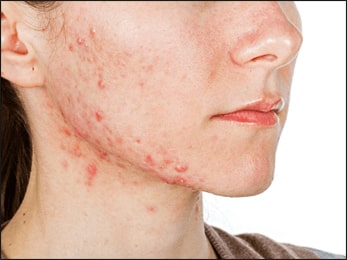
Acne is one of the most common skin concerns, often appearing during adolescence but not restricted to it. From an Ayurvedic perspective, it is more than a surface-level skin issue—it is understood as an imbalance of doshas, primarily Pitta with the involvement of Kapha and sometimes Vata. Ayurveda emphasizes that internal imbalances, poor digestion, and accumulation of toxins (ama) are reflected externally on the skin. Dr. Vikram Chauhan, a renowned Ayurvedic practitioner and founder of Planet Ayurveda, has developed a comprehensive and holistic approach to managing acne. His protocol is not just about topical remedies but integrates diet, lifestyle, and herbal formulations to maintain internal balance and support healthy skin naturally. This personalized approach is based on classical Ayurvedic principles combined with modern wellness needs.

Acne

Understanding Acne in Ayurveda

In Ayurveda, acne is often described under the term “Yuvan Pidika” (youthful eruptions). The underlying factors include:

  • Pitta aggravation: Leads to excessive heat, inflammation, redness, and sensitivity in the skin.
  • Kapha imbalance: Causes oiliness, clogged pores, and pus formation.
  • Vata aggravation: Contributes to dryness, roughness, and dark marks after acne heals.
  • Ama (toxins): Result of poor digestion and sluggish metabolism that circulate in the body and manifest on the skin.

Therefore, the Ayurvedic management of acne focuses on:

  • Balancing Pitta to reduce heat and inflammation.
  • Detoxifying and cleansing the system to clear impurities.
  • Supporting digestion (Agni) to prevent toxin formation.
  • Nourishing the skin naturally with herbs and diet.

Dr. Vikram Chauhan’s Ayurvedic Treatment Protocol for Acne

1. Dietary Recommendations

Diet plays a central role in acne management. According to Dr. Vikram Chauhan’s Ayurvedic approach, food can either aggravate Pitta and Kapha or help balance them.

Foods to Favor (Pitta-Pacifying & Detoxifying Diet):

  • Fresh fruits: Apples, pears, pomegranates, grapes, and melons.
  • Vegetables: Leafy greens, cucumbers, gourds, pumpkin, carrots, and zucchini.
  • Whole grains: Barley, quinoa, oats, and brown rice in moderation.
  • Legumes: Green gram (moong dal) is especially light and easy to digest.
  • Cooling herbs & spices: Coriander, fennel, cumin, turmeric, and mint.
  • Fluids: Normal water, herbal teas (coriander seed tea, fennel tea), and fresh coconut water.

Foods to Avoid (Pitta & Kapha Aggravating):

  • Oily, fried, and junk foods.
  • Excessively spicy and sour foods.
  • Fermented foods (pickles, vinegar, cheese).
  • Excess dairy, especially curd at night.
  • Refined sugar, bakery items, and carbonated drinks.
  • Red meat and heavy-to-digest foods.

General Eating Guidelines:

  • Eat freshly cooked, warm meals instead of stale food.
  • Avoid overeating; eat till 70–80% of your capacity.
  • Maintain regular meal timings to support digestion.
  • Include herbal teas to aid detoxification.
  • Drink adequate water but avoid ice-cold drinks.

2. Lifestyle Recommendations

Dr. Vikram emphasizes that skincare is not only external but also about the body’s rhythm.

  • Sleep: Maintain a regular sleep cycle; avoid late nights as they aggravate Pitta and Vata.
  • Exercise: Gentle yoga, pranayama (cooling practices like Sheetali and Anulom Vilom), and light exercise to improve circulation.
  • Stress management: Meditation, deep breathing, and mindfulness to reduce stress-related breakouts.
  • Skin hygiene: Wash face with mild herbal cleansers, avoid chemical-laden cosmetics, and do not over-wash as it dries and irritates the skin.
  • Sun exposure: Protect skin from excessive heat and direct sunlight.
  • Avoid popping pimples: It worsens inflammation and leads to scarring.

3. Herbal Support in Acne Management

Ayurveda relies on herbs that balance doshas, purify the blood, and support natural skin health. Dr. Vikram Chauhan’s Acne Care Pack from Planet Ayurveda is formulated with such herbs that have been used traditionally for skin wellness.

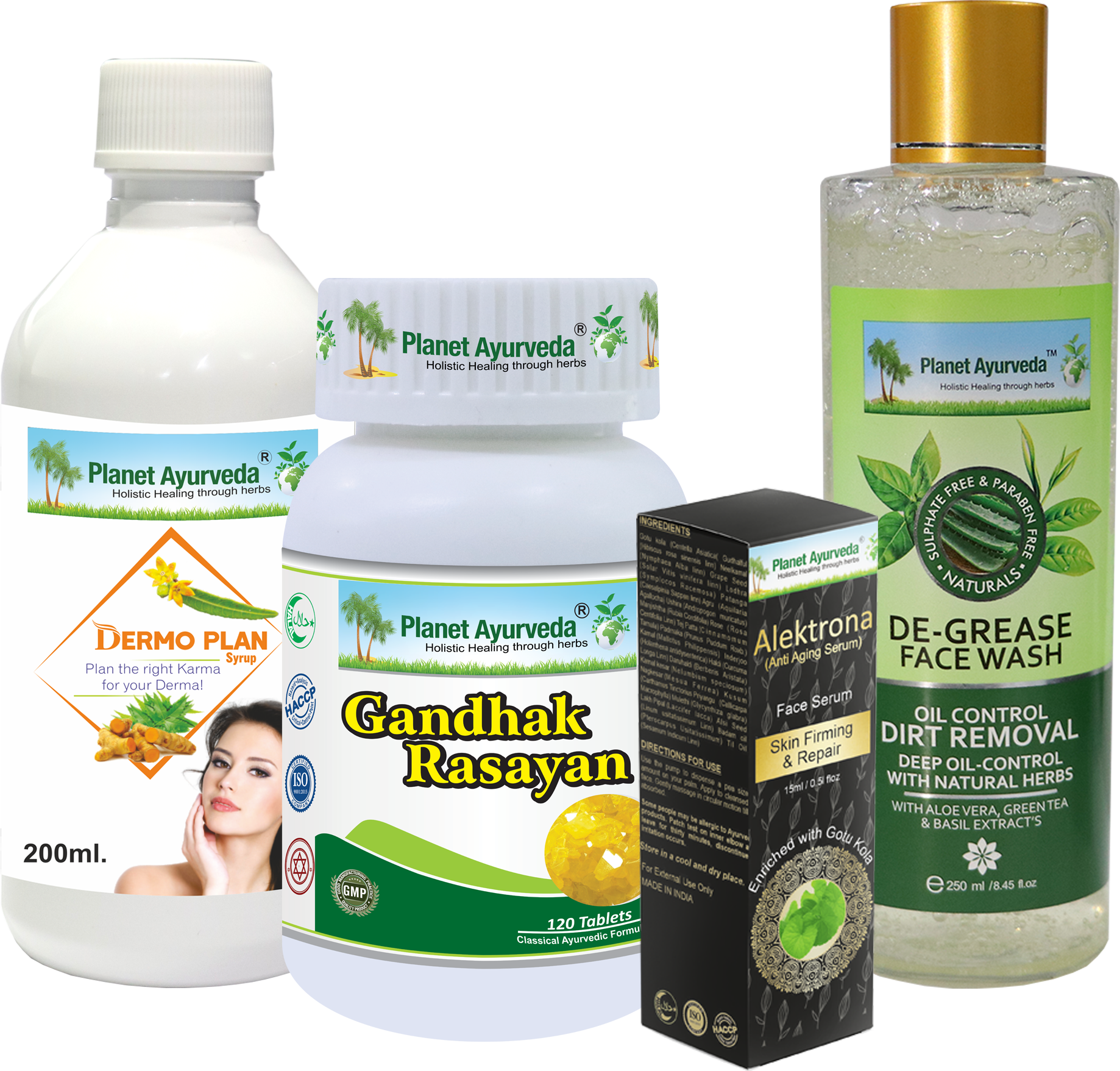
Planet Ayurveda’s Acne Care Pack

The Acne Care Pack by Planet Ayurveda is a carefully curated set of herbal formulations designed under the guidance of Dr. Vikram Chauhan. The pack is based on classical Ayurvedic texts and focuses on balancing Pitta, removing toxins, and supporting healthy skin naturally.

Planet Ayurveda’s Acne Care Pack

1. Gandhak Rasayan

Form: Tablet

Main Ingredient: Shuddh Gandhak (Purified Sulphur)

Traditional Role: Gandhak Rasayan has been used in Ayurveda for its rejuvenating (rasayana) qualities. Traditionally, it is considered supportive for skin health, aiding in maintaining clarity, promoting a natural glow, and helping the body’s natural detoxification process.

2. Dermo Plan Syrup

Form: Syrup

Main Ingredients: A blend of traditional Ayurvedic herbs including Manjishtha (Rubia cordifolia), Neem (Azadirachta indica), and others.

Traditional Role: This herbal syrup is classically used to support natural purification of the body. Traditionally, its ingredients are valued for maintaining healthy skin tone, balancing Pitta, and supporting the body’s natural cleansing pathways.

3. De-Grease Face Wash

Form: Liquid Face Wash

Main Ingredients: Herbal extracts like Neem (Azadirachta indica), Aloe vera (Aloe barbadensis), and Tulsi (Ocimum sanctum).

Traditional Role: De-Grease Face Wash combines traditional Ayurvedic herbs known for their cleansing and cooling nature. It helps gently wash away excess oil, dirt, and impurities, supporting fresh and clear-looking skin without stripping natural moisture.

4. Alektrona Anti Ageing Face Serum

Form: Face Serum

Main Ingredients: Natural oils and extracts such as Jojoba oil, Vitamin E, and herbal essences.

Traditional Role: Traditionally, herbal serums are used to nourish and rejuvenate the skin. Alektrona Anti Ageing Face Serum is designed to hydrate, soften, and maintain youthful skin texture while providing antioxidant-rich support for a radiant appearance.

Conclusion

Dr. Vikram Chauhan’s Ayurvedic treatment protocol for acne combines dietary discipline, lifestyle changes, and herbal formulations in a balanced manner. His focus remains on restoring inner harmony, which naturally reflects on the skin. The Planet Ayurveda Acne Care Pack—containing Neem Capsules, Gandhak Rasayan, Manjishtha Capsules, and Pitta Balance—represents a classical Ayurvedic approach to supporting clear and healthy-looking skin. By following this comprehensive regimen and aligning food, lifestyle, and herbal support, one can nurture the skin naturally in harmony with Ayurvedic wisdom.

Friday, May 25, 2018

Gandhak Rasayan - An Ayurvedic Preparation of Purified Sulfur

WHAT IS SULPHUR

sulfur, sulphur

Sulfur is 10th most abundant mineral in the universe and 5th Most common on Earth !!

Plants need fertilizers made from Nitrogen, Phosphorus and Potassium ( NPK) but Sulfuric acid made from Sulfur is the key ingredient in industrial production of these fertilizers. Sulfur is also used up by various agricultural plants and crops.

It is very important essential element for life.

Many Plants consume up to 25 kg of sulfur per hectare of land. Sulfur gets depleted and the soil gets barren due to sulfur depletion in the soil.

Sulfur also facilitates the absorption and uptake of essential fertilizers Nitrogen, Phosphates and Potassium by the plants.

So it's important mineral for growth of plants and natural utilization of essential fertilizers.

Sulfur is a non-metallic chemical element identified by alphabet S. In the periodic table it's 16 and Atomic mass is 32, with 2,8 and 6 electrons in each orbit. It makes H2S ( Hydrogen Sulphide) - Poisonous and inflammable gas. Sulphur makes sulphide compounds with Antimony and Bismuth and is found in Earth as these compounds.

COMMERCIAL USE OF SULFUR IN TODAY'S WORLD!!

Today almost all elemental sulfur is produced from sulfur containing contaminants from natural gas and petroleum.

The greatest commercial use of Sulfur now a days is making up of Sulfuric acid ( H2SO4 ) to make sulfate and phosphate fertilizers.

Sulfur is mainly produced in petroleum rich countries Saudi arabia, Russia, Canada and exported to USA, China, Western Europe and East Asia which are using Sulfur to prepare Sulfuric acid and using it to prepare fertilizers for the crops.

SULPHUR OR SULFUR IN HUMAN BODY

Sulfur is most ignored mineral in our diet. Although many vegetables like Potatoes, beets, Carrots absorb sulfur from the soil but the soil is so depleted that these vegetables are not rich enough in Sulfur.

Many cereal foods which are enriched with Vitamin D, Vitamin C, Vitamin B and Vitamin A, Iron and other minerals, but still they lack sulfur as it's ignored. Moreover as an Ayurvedic doctor, I believe in eating fresh food and vegetables from soil rather than packed in factory as cereals.

Sulphur is main constituent of the Amino Acids Methionine, Cysteine and Cystine and important constitent of vitamins like Biotic and Thiamine. Free radical scavenger Glutathione also contains Sulfur. Glutathione is used as shots to prevent side effects of chemotherapy in cancer. Glutathione is used in many complicated diseases like idiopathic pulmonary fibrosis ( Lung failure), AIDS and many others to boost immunity. It's also given to Kidney failure patients to treat anemia by injections. it's also given in male infertility. Above uses are of Glutathione are of modern medical system, but Ayurveda- the ancient health care system uses purified and medicinal Sulfur tablets directly in the above mentioned conditions are s rejuvenator. It is called "Gandhak Rasayan" - Gandhak is sulfur and Rasayan means the one which rejuvenates the body.

ANCIENT ALCHEMY AND SULFUR

Ayurveda is an age old healhcare system of India. Alchemy of Ayurveda is called "Rasa Shastra". It deals in using various metals, minerals, Animal parts and organs to treat various health conditions. The metals used are properly purified, titrated and used in trace dosages to boost immunity, modify immunity, eradicate cancers and clear the body of complicated diseases.

Many people especially modern educated doctors are quiet scared of using metals of Ayurvedic system but they really do not know this science because they have not read about the processes involved in developing the medicines from these metals. I urge all the doctors worldwide to understand how the metals can be used to made as medicines and can be used to treat various ailments. It's highly scientific.

It's like the science has extracted various molecules from plant sources like Penicillin and Aspirin. Similarly metals have some medicinal and some properties to affect human metabolism. If you consider them poison, at least try to find out the chemical compound structure of various Ayurvedic Bhasmas and do clinical trials using them on Aplastic anemia, ITP, Myelodysplastic diseases and other complicated tumors.

It's like using Snake's venom to treat Snake venom patient. In Modern system, Snake venom is needed to prepare shots for treatment of snake bite.

In Ayurveda, Gandhak ( Sulfur) is described in ancient alchemy. It is a powerful rejuvenating substance in human body.

Ayurveda classifies metals, non-metals and minerals in various categories.

CLASSIFICATION OF MEDICINAL METALS AND MINERALS IN AYURVEDA

  • Rasa = Mercury
  • Kajjali = Kajjali is the base of all metal, mineral based preparations in Ayurveda.  It's black Sulphide of Mercury.

WHAT IS KAJJALI (MERCURY + SULFUR)

Kajjali is prepared by combining Mercury with Sulfur to render it harmless and make it beneficial. There are several processes involved after Kajjali formation to nullify the side effects of Bhasmas. Sulfur is important ingredient of all Ayuredic metalllic preparations.

Kajjali is totally harmless and comes out of body without damaging any organs. Here is scientific explanation about the combination of Mercury with Sulfur. However this article is only about Sulfur but here is explanation about another compound of Mercury+ Sulfur called - Kajjali in Ayurveda.

This Kajjali was evaluated by Scanning Electron Microscopy (SEM) and Energy Dispersive X-Ray Analysis (EDAX). SEM images with the magnifications of 2.00KX, 1.00 KX and spatial resolution of 25 nm represented that it formed the order of agglomerates consisted of small spherical particles approximately size of 3 μm to 10 μm observed, whereas EDAX showed the presence of Hg (69.33%), S (24.44%), O (4.64%) and Ag (1.59%) in the final preparation of Kajjali.

Chemical Characterization of Samaguna... (PDF Download Available). Available from:

https://www.researchgate.net/publication/258954988_Chemical_Characterization_of_Samaguna_Balijarita_Kajjali_Black_Sulphide_of_Mercury [accessed May 20 2018].

  • Eight Maha Rasa
  • Eight Upa Rasa
  • Eight Sadharan Rasa

Eight Maha Rasa - Abhrak, Vaikrant, Makshik, Vimal, Adrij, Sasyak, Chapal and Rasak.

Eight Uparasa - Gandhak (Sulfur), Gairik, Kaasis, Kankshi, Taal, Shila, Anjan, Kankusht.

Eight Sadharan Rasa - Kampillak, Gori Pashan, Navasadar, Karpad, Agnijaar, Giri Sindoor, Hingul, Mridar Shring.

Sulfur is the 8th Most abundant mineral in the body after oxygen, carbon, hydrogen, nitrogen, calcium, phosphoorus and potassium then sulphur, chlorine and Sodium and other minerals and metals in traces are Magnesium, iron, Manganese, Copper, Iodine, cobalt, Zinc etc.

SOURCES OF SULPHUR

Nuts, Eggs, Meats, Fishes, Onion, Garlic, leafy green vegetables.

Sulphur rich soils are mainly found in Iceland, Japan, Italy, Hawaii and countries where volcanic activity is more. These countries have active volcanoes and the soil is rich in natural minerals like Sulfur. The people are not so obese, have longer life spans, less depression. Although Iceland is in northern hemisphere, lacks sun but still Icelanders are not prone to cardiac ailments, depression, obesity as compared to Canada and United States.

In Ancient Analogy, Ayurveda has compared Mercury to "Virya" of Lord Shiva and Sulfur to "Raj or Artav" of Goddess Parvati. From various volcanic eruptions, the Artav of Goddess Parvati comes out oozing from the mountains and flows down the mountains and dries up and gets absorbed in the earth to replenish it and give nutrition to plants and animals.

Even now there are many sulfur springs in various mountains, giving nourishment to the skin and people travel to these hot water sulfur springs seeking cure for their various health problems, especially skin ailments.

Sulfur also has the power to control mercury. Ayurveda explains 4 types of Sulfur. White, Red, Yellow and Black.

Yellow one is used for medicinal purpose. Red one for chemical processes. Black one is not available and so is white one. Now a days we find only Yellow one. The other colorful ones can be Sulfur ores.

Amla Saar and Danda Gandhak are 2 types of yellow sulfur found according to their appearance. Amla Saar is considered more useful for medicinal purposes and Danda Sulfur is mainly used for preparing chemicals and ammunition. It's called Amla saar because the color of it is like Amla berries.. Yellowish.

Sulfur is found in the world where the volcanic activity is high for example Sicily, Japan and other such places.

COMPOUNDS OF SULFUR IN AYURVEDA

Anand Bhairav Ras, Ichabhedi Ras, Ras Sindoor, Gandhak Rasayan, Makardwaj, Swarn Vang, Ras Parpati, Sameer Pannag Ras, Kajjali etc.

GANDHAK RASAYAN

gandhak rasayan

Gandhak Rasayan is a mineral-based medicine. It involves processing of detoxified Sulfur with herbal juices as the main ingredient.

It  is an amazing and effective Ayurvedic formulation which is usually administered orally in the form of a herbal powder or tablet.  It is considered the best and safe way for administering Shuddha Gandhaka (purified sulphur).

It has anti-viral, anti -pruritic, anti-bacterial and anti- inflammatory properties.

It also has blood purifying properties (Rakta Shodhaka). It helps in treating skin disorders too. It helps to balance the Vata, Pitta and Kapha.


GANDHAK RASAYAN VATI HAS AMAZING HEALING AND ANTIBIOTIC PROPERTIES AS BELOW:

  • Antimicrobial
  • Antibacterial
  • Antifungal
  • Anti-inflammatory
  • Prophylactic/preventive
  • Wound healing
  • Pain relieving
  • Blood purifying
  • Elimination of toxins.
  • Antidiarrhoeal

THERE ARE MANY BENEFITS OF GANDHAK RASAYAN

  • Gandhak rasayan has antimicrobial, antiviral, anti-inflammatory, antibacterial and antibiotic properties. It is known for treating many skin problems. It mitigates redness, irritation, itching, swelling and inflammation. It works really well in the health conditions with the common symptoms of burning sensation. It also treats urinary infections and burning sensation of hands and feet. Recommended dosage for gandhak rasayan for psoriasis and eczema is 1 to 3 grams once or twice a day before or after meals.
  • Gandhak rasayan has amazing blood purifying properties. It acts and cures the area affected by imposing its antiseptic properties. It is well known for taking care and treating dandruff. It is helpful for balancing pitta dosh by suppressing extra heat from the body. In case of baldness or sudden hair fall Gandhak Rasayan is administered orally which results due to medications, stress, genetic factors or diseases.
  • It is very effective in treating bacterial and fungal infections like kandu, kushtha, leprosy / mahakusta / kustaroga, itching, pama, eczema, urticaria, pustules in skin, fungal infections, dandruff, ringworm, scabies, abscesses, boils, and pimples.
  • It is very effective for treating gouty arthritis, sinusitis, Scurvy, Chronic fever, Gastrointestinal disorders and Detoxifying blood.
  • It works well as a Rejuvenator.
  • It helps to remove toxins and other wastes from blood.
  • It improves and enhances strength, nourishment and digestion of the body.
  • It helps the body to get rid of pain.
  • It improves skin complexion.
  • It can heal wounds.
  • It promotes and improves health and vigor.
  • It slows down aging process.
  • It provide longevity.
  • It improves immunity of body.