Search This Blog

Dr. Vikram Chauhan - MD (Ayurveda)

Showing posts with label Supplements. Show all posts

Friday, September 1, 2023

Transient Ischemic Attack Treatment in Ayurveda with Herbal Remedies

ABSTRACT

The heart and brain are the most basic units of our system. If some ask why so? Then obviously without a heart blood cannot be pumped inside a body without blood the body can not survive. Even Ayurveda mentions that rakta (blood) is a factor, that life exists. On the other hand, the brain is the controlling unit of the entire body. Voluntary or involuntary, all types of movements and functions are governed by the all-mighty brain. But there are certain medical conditions that play a major role in hampering the functioning of both the brain and the heart. One such condition is transient ischemic attacks. In this article complete information about transient ischemic attacks is shared along with its Ayurvedic management.

Transient Ischemic Attack, Mini Stroke

INTRODUCTION

The transient ischemic attack also called a mini-stroke is the result of a temporary disruption in blood supply to a particular part of the brain. This disruption results in a lack of oxygen to the brain. As it happens, this situation can result in the appearance of many symptoms similar to a stroke. The symptoms a patient may experience include speech and visual disturbances, numbness and weakness in the face, legs and arms. But the positive part of TIA or transient ischemic attack is it does not last long as a stroke. The symptoms or effects of TIA or transient ischemic attack resolve in minutes to a few hours and fully resolve in 24 hours.

KEY HIGHLIGHTS

  • TIA has full form as a transient ischemic attack or mini-stroke
  • Sudden onset of focal neurological deficit presumed to be on a vascular basis
  • It has symptoms similar to a stroke but does not last long as stoke
  • TIA has a full resolving time of like 24 hours
  • The condition occurs due to a thrombus which travels from elsewhere and blocks or disrupts the brain supply
  • It can also be caused by pieces of fatty material or air bubbles as well
  • Ayurveda suggests that this condition happens due to Vata and Kapha dosha along with the dushti of rakta.
  • Due to excess of Kapha dosha rakta dushti happens and blocks the microchannels thus finally causing vishma vega of Vata dosha.
  • Usually, the TIA or transient ischemic attack is diagnosed with a MRI (Magnetic resonance imaging)

CAUSES OF TRANSIENT ISCHEMIC ATTACK

The causes of this condition are very common according to modern science. These causes are not different from the ones we generally hear in our day-to-day life. These are the following:

  • Smoking– The most common one
  • High blood pressure – Also can be due to smoking
  • Obesity– The third commonest reason
  • High levels of cholesterol
  • Regular intake of large amounts of Liver
  • Irregular heartbeat also called atrial Fibrillation
  • If the patient has diabetes– It has a very bad impact on the circulation 

As mentioned in the key points about TIA or transient ischemic attack, it is the result of aggravated Kapha dosha along with dushti of rakta. This results in blockage of Vata movement thus causing this transient ischemic attack.

SYMPTOMS OF TRANSIENT ISCHEMIC ATTACK

  • Complete paralysis of one side of the body (hemiplegia)
  • Double vision, blurred vision along with sudden vision loss
  • The patient may experience vertigo
  • The feeling of being sick
  • The feeling of being dizzy and confused
  • Facing sudden problems with understanding
  • Having problems with balance and coordination
  • Trouble swallowing

PATHOPHYSIOLOGY OF TRANSIENT ISCHEMIC ATTACK

Pathophysiology of transient ischemic attack depends on its subtypes. The most common issue which is observed in all types is the transient interruption of arterial blood flow to an area of the brain supplied by the particular artery. The subtypes are as follows:

  • Large artery atherothrombosis
  • Small vessel  ischemic disease
  • Cardiac embolism
  • Cryptogenic

DESCRIPTION OF TRANSIENT ISCHEMIC ATTACK TYPES

  1. Large artery atherothrombosis - This can be intracranial and extracranial. The mechanism may be a lack of blood flow distal to the site of arterial stenosis.
  2. Small vessel  ischemic disease - The underlying pathology in this case is lipohyalinosis. The commonest risk factor is hypertension followed by diabetes and age.
  3. Cardiac embolism - It is defined as the clot in the cardiac chamber generally in the left atrium and is secondary to atrial fibrillation.
  4. Cryptogenic - This is a cortical pattern of ischemia. This is without any cardiac source of emboli.

EPIDEMIOLOGY OF TRANSIENT ISCHEMIC ATTACK

  • The incidence of Transient ischemic attack in a population is very difficult to estimate due to other mimicking disorders.
  • But statistics show that about 1.1 per 1000 in the current population of the United States only.
  • The incidence rate Of Transient ischemic attack in India is 119-145/100,000 based on recent population studies.

DIAGNOSIS OF TRANSIENT ISCHEMIC ATTACK

The diagnosis of transient ischemic attack is done through following ways:

  • Physical examination and tests: Physical examination and tests are performed using a stethoscope, ophthalmoscope and others.
  • Carotid Ultrasonography
  • Computerised tomography (CT) or Computerised tomography angiography (CTA) scanning
  • Echocardiography
  • Arteriography

TREATMENT OF TRANSIENT ISCHEMIC ATTACK

The purpose of medication in TIA (transient ischemic attack) is to decrease the likelihood of a stroke. As discussed the causes of TIA one can provide treatment for the hyper coagulation going on in the blood. The blood has a tendency to clot called as coagulation which is to be reduced in this case. Rest the medication may also depend on the location, severity and type of TIA. the medicine generally given in case of transient ischemic attack are as follows:

  • Anti platelet drugs: Affect the platelet by reducing their binding capacity to each other.
  • Anti coagulants: Do not affect platelets but have impact on clotting system proteins instead of platelet function

Surgery Procedures For Transient Ischemic Attack

  • Or else surgery can be performed if the carotid artery is moderately or severely narrowed.in this case generally carotid endarterectomy.
  • Angioplasty can also be done on the carotid artery.

AYURVEDIC PERSPECTIVE OF TRANSIENT ISCHEMIC ATTACK

As mentioned before Ayurveda understands this condition as a result of vata and kapha dosha vitiation along with presence of ama dosha and rakta dushti. There is a possibility that there is presence of ama dosha only and thus it results in blockage and dushti of rakta dhatu.

The properties of ama and kapha are almost the same, that's why it becomes difficult to differentiate. Though the treatment protocol for excessive kapha and accumulated ama dosha is similar. There is also another possibility that both ama and kapha dosha are present. These bunch of possibilities can vary in different people.

But after these different possibilities there is one thing which is very common in TIA or transient ischemic attack and that is involvement of vata dosha. The ischemic attack cannot happen without involvement of vata dosha. Due to the huge vega of vata the dushit rakta circulates in the dhamniya or arteries or blood vessels and hence ischemic attack occurs due to the impurities present in blood. This blockage can happen anywhere, but when it particularly affects the vessels supplying to the brain or mastishka then it is called a transient ischemic attack.

The causes for this aggravation of dosha and dushti of rakta dhau along with accumulation of ama dosha is the wrong diet a person follows along with wrong lifestyle. A person having a good living style or lifestyle but wrong dietary habits can develop transient ischemic attack. Even in the viceversa situation something can happen. That's why it is very important that one should try to maintain a healthy diet or eating habits along with a healthy lifestyle.

Moving forward, on the Ayurvedic formulations and herbs that can help in this situation. Then mainly kapha anulomaka, vata anulomana, ama pachan and rakta shodhak treatment is done. Sanjeevani vati which is prepared with herbs like vidanga, sonth, pippali, haritaki, amalaki, vacha, guduchi, bhallataka and vatsnabh is used in this condition, Arjun based herbal preparations like Arjun powder, arjunarishta are also used. Some herbo mineral or mineral preparations like vata vidhwansan ras, vrihat vatchintamani ras can also be used. To reduce inflammation, especially haridra preparations are also recommended.

HERBAL REMEDIES FOR TRANSIENT ISCHEMIC ATTACK BY PLANET AYURVEDA

Planet Ayurveda is a leading Ayurvedic firm that has its own manufacturing unit. The company has stepped its foot in many parts of the world. The manufacturing and production of supplements is done in a classical way so that the standard of the purity can be maintained. The products are totally herbal and do not cause any kind of harm or don’t have any known side effects. All the products by Planet Ayurveda are certified and hence are delivered across the globe. Planet Ayurveda has its exclusive outlets in various parts of India along different countries across the world as well. It is a trusted brand for various herbal health products and keeps purity above money. In case of transient ischemic attack Planet Ayurveda offers following products:

PRODUCTS LIST

  1. ASHWAGANDHA CAPSULES
  2. BRAHMI CAPSULES
  3. ARJUNA CAPSULES
  4. PUNARNAVA CAPSULES
  5. CURCUMIN CAPSULES
  6. GOTU KOLA CAPSULES

Herbal Remedies for Transient Ischemic Attack (TIA)

Herbal Remedies for Transient Ischemic Attack

PRODUCTS DESCRIPTION

1. Ashwagandha Capsules

Ashwagandha Capsules are single herb capsules prepared by Planet Ayurveda. Ashwagandha capsules have only one ingredient and that is ashwagandha (Withania somnifera) itself. The ashwagandha has a very powerful impact on various types of conditions which are related to vata dosha aggravation and also to the decline in the strength of dhamniya resulting in recurrent injuries. Ashwagandha is known to pacify vata dosha and also manage general fatigue. Due to its hot potency it causes heat inside the body thus melts down the accumulations inside as well as outside the blood vessels.  The capsules have impressive results in this condition as well.

Dosage: Two capsules twice a day after meals with lukewarm water.

2. Brahmi Capsules

Brahmi Capsules are also single herb formulations manufactured by Planet Ayurveda. Brahmi capsules have standardised extract of herb brahmi (Bacopa monnieri). Brahmi is a herb which is known for its magical effect on the pacification of vata dosha successfully and thus gives impressive results in transient ischemic attacks. Brahmi is one the medhya rasayana explained in Ayurveda and has effect on sensory and motor functioning as well. Transient ischemic attack leaves the patient with a lot of stress and anxiety as well which is well managed with this herbal preparation. Brahmi is also known as a source of natural stress buster.

Dosage: Two capsules twice a day after meals with lukewarm water.

3. Arjuna Capsules

Arjun Capsules of Planet Ayurveda are very impressive and give brilliant results in various situations like transient ischemic attacks. These capsules are  prepared using arjun (Terminalia arjuna). The arjun is not only having impressive results on heart but on blood vessels and arteries as well. Basically it has its impact on the entire circulatory system.  It has the capacity to eliminate the causative factors in this case. In this the aggravation of kapha and vata dosha is and Arjun helps in balancing these two doshas really well  and provides very good results. The capsules also help in maintaining the good amounts of good lipids in the body and thus removes accumulated toxins from the blood circulation.

Dosage: Two capsules twice a day after meals with lukewarm water.

4. Punarnava Capsules

Punarnava Capsules are prepared using standardised extract of punarnava (Boerhavia diffusa). It excretes out excessive volume of water content in the body (acts as a diuretic). But in this its main purpose is to detox the entire blood in the circulation so that the toxins can be easily removed from the body. The herb also possesses anti-inflammatory properties and hence give impressive results in this case. Punarnava is an impressive anti fibrinolytic herb and thus gives great results in dissolving the accumulated clots in this. The capsules are quite impressive and help in dosha anuloma as well.

Dosage: One capsules twice a day after meals with lukewarm water.

5. Curcumin Capsules

Curcumin Capsules are prepared with standardised extract of herb haridra (Curcuma longa). The curcumin capsules have very impressive results in subsiding various types of infections and also act as anti inflammatory too. Curcumin capsules are prepared from the compound found in haridra which is called as curcumin itself. The haridra is also having some antioxidant properties along with antiseptic and anti allergic properties as well.  The formulation is widely used in many infectious and inflammatory conditions and gives impressive and visible results. The capsules are the patent product of Planet Ayurveda and are prepared under expert guidance.

Dosage: Two capsules twice a day after meals with lukewarm water.

6. Gotu Kola Capsules

Gotu Kola Capsule is also one of the patent formulations of Planet Ayurveda. This has standardised extract of gotu kola (Centella asiatica). This herb is best known for its effect on pacification of vata dosha in the body. Gotu kola is an herb which is termed as the herb for longevity because it not only helps in pacification of vata but also reduces inflammation. The formulation is potent enough to eliminate the toxin accumulation in the body and is best known for its rejuvenating effects. Gotu kola also works by reducing oxidative stress and hence protects the body from damage especially to vessel walls.

Dosage: Two capsules twice a day after meals with Lukewarm water.

Contact my assistant to provide you the costing / ordering and delivery information at - costing.planetayurveda@gmail.com or call at +91-172-5214040 or WhatApp at (+91) 99155 93604

CONCLUSION

The conditions like transient ischemic attacks are becoming very common these days. Many of the people around you would take a mini stroke as a fun thing but after this article you as a reader know that this can not be taken for fun or can not be ignored. If such a thing happens one needs to improve the quality of their diet and lifestyle. The herbal formulations mentioned above are totally herbal and do not have any side effects. Better to take these formulations under the guidance of your physician.

Thursday, April 8, 2021

Vitiligo (Leucoderma) Treatment in Ayurveda with Herbal Remedies

Skin is the soft and flexible tissue covering all over the body of a human or vertebrates. It has primarily three functions i.e. protection, sensation and regulation. It is very important to keep your skin healthy if you desire to look more youthful. What if it got affected? Nobody will like it because everyone wants to look and stay beautiful. Am I right! But due to environmental exposure the prevalence of skin disorders are increasing at a very rapid rate. Today we will focus on one of the skin disorders named Leucoderma, also known as Vitiligo and its Ayurvedic management in detail.

INTRODUCTION

Ayurveda is a science of life or we can say beyond life which gives us answers to every problem. Ayurveda on a whole works on the basic principle “Swasthasya swasthya rakshanam aturasya vikara prashamanam ch” (Ref: CharakSamhita, Sutrastahanam, 30/26). This verse states that the main aim of Ayurveda is to take care of the healthy one with dincharya, ritucharya, sadvritta palan along with some dietary and lifestyle changes and other is to treat the patient with ayurvedic home remedies, herbal formulations and herbs. Leucoderma / vitiligo can be correlated with Shvitra roga in Ayurveda. Now we will see how ayurveda helps in managing this condition.

Vitiligo, Leucoderma

WHAT IS SHVITRA ROGA (LEUCODERMA)?

As per our ancient acharya’s shvitra is “Shweta varnam prapnoti iti shvitram” (Kaya Chikitsa, Vol II, Pg. 824) this shloka states that when any part of the body undergoes discoloration (white colour) and doesn’t look good, is known as Shvitra roga.

As per modern medicine science, Leucoderma is a skin disorder that occurs due to loss of skin pigmentation (melanin) which in turn leads to skin whitening in patches. The size of the patches varies according to its severity and covers almost all the body parts including genitals, face and scalp.

WHAT ARE THE CAUSES OF SHVITRA ROGA (LEUCODERMA)?

Following are the causes of Shvitra roga:-

  1. Virudhannapan (Incompatible diet)
  2. Madhu, machli, lakuch, mooli, kakmachi sewan (Increased intake of honey, fish, monkey fruit, radish, etc.)
  3. Ajeenaashan (intake of food before digestion of last meal)
  4. Doodh, dahi, takra, mansa, kuthi sewan (intake of Milk, curd, buttermilk, non-veg, kutha dal in combination)
  5. Guru, snigdha, pishtaana,abhishyandi padarth sewan (kapha dosha rich diet)
  6. Vegadharan (Suppression of natural urges)
  7. Divaswapna (sleeping during day time)
  8. Asatya vach (telling a lie)
  9. Viprana Gurun Gharshanam (Disrespect of our elderly ones like devta, guru, brahmin etc.)
  10. Purva Janam Krit papkaram (Sins done in past life)

According to allopath, there is no exact cause of leucoderma but following risk factors are considered as responsible:-

  • Autoimmune condition
  • Stress
  • Exposure to Sunlight or UV rays
  • Family history
  • Chemical contact or exposure
  • Due to sunburns
  • Any triggering event

WHAT ARE THE POORVAROOPA (PRODROMAL SYMPTOMS) OF SHVITRA ROGA (LEUCODERMA)?

Below are the poorvaropa of Shvitra roga:-

  1. Vaivarna (discolouration of skin)
  2. Kandu (itching)
  3. Toda (pricking pain)
  4. suptata (Numbness)
  5. Romaharsha (Horripilations)
  6. Paridaha (burning sensation)
  7. Rag (redness)
  8. Trishna (thirst)
  9. Aswedamatiswedam (Anhidrosis and hyperhidrosis)
  10. Khartava (dryness)

WHAT ARE THE SYMPTOMS OF SHVITRA ROGA (LEUCODERMA)?

The chief symptom of this disease is shweta chakate (discolouration of skin into white patches) which spreads timely to all over the body. In summers, there is unbearable burning sensation on the patches.

Symptoms according to its colour:-

  1. Shvitra is of red colour when it is dependent on rakta dhatu (blood)
  2. Shvitra is of tamra varna, when it is dependent on mamsa dhatu (muscular tissue)
  3. Shvitra is of White colour when it is dependent on Meda dhatu (Adipose tissue)

In modern science, the patient of leucoderma may produce the following symptoms:-

  • Discolouration of skin in patches.
  • Premature whitening of hairs of the body including scalp, eyebrows, beard etc.
  • Loss of colour in mucous membrane.
  • Patches may start developing from hands, face etc.

HOW TO DIAGNOSE SHIVITRA ROGA (LEUCODERMA)?

Diagnosis can be done in following ways:-

  1. Darshan (inspection)
  2. Sparshan (palpation)
  3. Prashanan (History taking)

In Allopathy, diagnosis of leucoderma is with CBC (complete blood count), ANA (antinuclear antibody) test, Skin biopsy.

WHAT IS THE TREATMENT OF SHVITRA ROGA (LEUCODERMA/VITILIGO)?

In modern medicine science, there is no specific treatment of leucoderma, only symptomatic relief can be given with Calcineurin inhibitor ointments, corticosteroids, etc. But, in Ayurveda we can manage this condition by the below mentioned ways:-

  1. Daivyapashraya Chikitsa - Shvitra is considered as papkarmaja (past life sins). So donation, good deeds, fasting, prayer of lord shiva, ganesh and others is very helpful in treating patients with leucoderma.
  2. Yuktivyapashrya Chikitsa - In this type of treatment sanshodhan (detoxification with panchakarma), Sanshaman (with Ayurvedic herbs and herbal formulations) and local application of taila, lepa can be done.

There are some herbal formulations also that have amazing effects and are being offered by Planet Ayurveda experts to the patients for years. Below are the details of those formulations, which are mentioned below:

HERBAL REMEDIES FOR LEUCODERMA BY PLANET AYURVEDA

Planet Ayurveda is a GMP certified famed and renowned herbal manufacturing unit serving mankind across all over the world. The products offered by planet Ayurveda are prepared under the strict guidance of MD ayurveda experts by following the ancient basic ayurvedic principles. They manufacture lots of herbal products for numerous health ailments. Some of the formulations for leucoderma are explained below:-

  1. Bakuchi Churna
  2. Navkarshik Churna
  3. Gleaming Skin, Hair, Nails Formula
  4. Manjishtha Capsules
  5. Gandhak Rasayan
  6. Tab. Pigmento
  7. Syrup Lukoskin
  8. Sachets
  9. Syrup
  10. Local Application of Oils

PRODUCTS DESCRIPTION

1. Bakuchi Churna

Bakuchi churna is a single herbal formulation prepared using a wonderful herb named Bakuchi (Psoralea corylifolia). In our ancient texts, it is mentioned as shvitraghani due to its vitiligo treating property. The active ingredient of bakuchi is Psoralens which on exposure to sunlight produces melanin pigment. It also helps in boosting collagen promoting tissues of the skin and makes skin to look good and lustrous.

Dosage - 1 teaspoonful twice daily with plain water after meals.

2. Navkarshik Churna

It is a safe poly herbal formulation prepared using Triphala (myrobalans), Vacha (Acorus calamus), Neem (Azadirachta indica), Manjishtha (Rubia cordifolia), Katuki (Picrorhiza kurroa) and some other herbs. This formulation contains herbs which possess blood purifying and pitta dosha pacifying properties thus, shows good results in patients suffering from vitiligo (leucoderma). Along with that, this formulation aids in boosting immunity by sustaining normal body functioning.

Dosage - 1 teaspoonful twice daily with plain water after meals.

3. Gleaming Skin, Hair, Nails Formula

Gleaming Skin Hair Nails formula is a safe herbal formulation in capsule form prepared using standardized extract of Manjishtha (Rubia cordifolia), Pit Papda (Fumaria officinalis), Sariva (Hemidesmus indicus), etc. These herbs have Raktashodhak (blood purifying) and coolant properties which assist in reducing the discoloration, burning sensation occurring on the patches. It also diminishes the severity of the disease and provides healthy skin.

Dosage - 2 capsules twice daily with plain water after meals.

4. Manjishtha Capsules

It is a single herbal safe formulation, prepared using the standardized extract of Manjishtha (Rubia cordifolia). Our ancient acharyas classically mentioned it as varnya gana (Good for skin), and vishaghna (detoxifier). Due to its varnya property, it is effective in patients with vitiligo. Manjishtha acts as a blood purifier and mainly pacifies pitta dosha in the body.

Dosage - 2 capsules twice daily with plain water after meals.

5. Gandhak Rasayan

Gandhak rasayan is a poly herbal formulation prepared using pure extract of Gandhak (Sulphur). It possesses antimicrobial, digestive stimulant, cell detoxifying and immune boosting properties. Gandhak is very potent for skin disorders. Classically it is mentioned as veeryakara (helpful in infertility), pushtikar (nourishing), and Prajakara, etc. Due to its antimicrobial property, it shows wonders in Patients with leucoderma (vitiligo).

Dosage - 2 tablets twice daily with plain water after meals.

6. Sachets

  1. Swarn Makshik Bhasma - 5 gm
  2. Tarkeshwar Ras - 5 gm
  3. Kamdudha Ras - 5 gm
  4. Akik Pishti - 5 gm
  5. Rajat Bhasma - 2.5 gm
  6. Praval Pishti - 5 gm
  7. Giloy Satva - 10 gm
  8. Mukta Pishti - 2 gm

All these herbomineral powders are mixed and 60 sachets are to be prepared. These herbs together aid in reducing the associated symptoms of Vitiligo by Pacifying Pitta Dosha in the body.

Dosage - 1 twice daily with Gulkand + Honey.

7. Syrup

Take 4 tablespoon of each Sarivadyasava + Mahamanjisthadi Kwath + Khadirarishta after meals with equal amounts of water. These syrups work cumulatively and maintain the normal glowing and shiny skin. They possess antimicrobial, immune boosting, blood purifying, and cell detoxifying properties. Intake of these formulations stimulates the production of melanin pigment and is very efficacious in patients with leucoderma (vitiligo).

8. Local Application of Oils

Apply Babchi oil 25 % + Mahamarichyadi oil 25 % + Jatyadi oil 50 % together at lesions or you can also apply Pigmento ointment or Vitaplai lotion or Lukoskin Ointment if the patches are small. These oils work in producing the melanin pigment on exposure to sunlight and also help in diminishing the burning sensation.

Dosage - Local application of twice per week and expose it to sunlight for 5 minutes.

Now we will see some more productive formulations of other brands which shows efficacious results in Leucoderma, such as:

9. Tablet Pigmento

This formulation by charak pharma is safely prepared using vacha (Acorus calamus), chakramard (Cassia tora), Sharpunkha (Tephrosia purpurea), etc. These herbs stimulate the production of melanin pigment in the body so good in reducing the discoloration occurring in leucoderma. They also possess antifungal properties and modulate the cell mediated immune system of the body.

Dosage - 2 tablets twice daily with plain water after meals.

10. Syrup Lukoskin

Lukoskin is a safe poly herbal formulation in syrup form prepared using Vishnaag (Ammi majus), balchi (Psoralea corylifolia), krishna tulsi (ocimum americanum), mandookparni (Centella asiatica) and some other herbs. This formulation aids in producing melanin pigment and helpful in decreasing the spread of discolouration or white patches. It also modulates the collagen producing tissues for good and healthy skin.

Dosage - 2 tsp twice daily with plain water after meals.

CONCLUSION

At last, we can conclude that leucoderma can be managed well with ayurvedic herbs and herbal formulations without causing any adverse effects on the body. These products do not contain any type of additive, binder, chemical and preservative and are totally safe to use. Along with the management of leucoderma (vitiligo), these formulations are useful in numerous other skin disorders also. For more queries you can contact us on herbalremedies123@yahoo.com. Use these herbal formulations and keep yourself healthy.

Contact my assistant to provide you the costing / ordering and delivery information at - costing.planetayurveda@gmail.com or call at +91-172-5214030 Or Check Website - www.PlanetAyurveda.com

Thursday, December 25, 2008

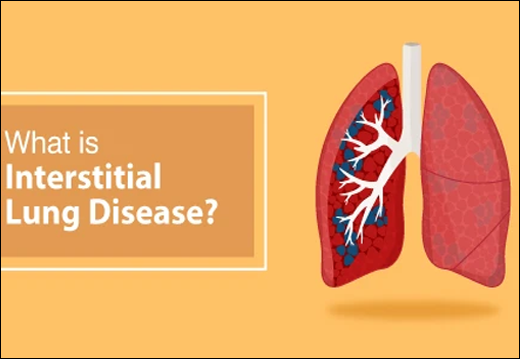
Interstitial Lung Disease Herbal Remedies - ILD Ayurvedic Treatment

There are many patients who suffer from interstitial lung disease. This is what I would like to recommend to such patients. This is a formula is made after discussion with many experienced Ayurvedic doctors and my own practical experience in my clinical practice.

Interstitial Lung Disease, Herbal Remedies for Interstitial Lung Disease, ILD, Ayurvedic Treatment, Causes, Supplements, ILD Ayurvedic Treatment

Interstitial Lung Disease Herbal Remedies - Ayurvedic Treatment of ILD

  1. Godanti Bhasma - 10 gm
  2. Abhrak Bhasma - 2 gm ( Shata puti)
  3. Punarnava Mandur - 5 gm
  4. Kaf Kuthar Ras - 5 gm
  5. Kas Shwas Chintamani Ras 2 gm
  6. Swran Sameer Pannag Ras - 1 gm
  7. Swarn Basant Malti Ras - 2 gm
  8. Praval Bhasma - 10 gm
  9. Kamdudha Ras - 10 gm
  10. Praval Panchamrit Ras - 10 gm
  11. Praval Pishti - 5 gm
  12. Mukta Pishti - 3 gm
  13. Kamdudha Ras - 5 gm
  14. Swarn Makshik Bhasma - 5 gm
  15. Somyog or Somlata Churna - 20 gm

Make 60 sachets of equal quantity and consume twice daily, with honey - Will last for 1 month.

Vassa Avaleha (Herbal Jam) - 1 tablespoonful twice daily, after meals - (3 Pcs. x 1 month).

Kantkari Avaleha - 1 tablespoonful twice daily, after meals (3 Pc x 1 month).

Aller-G Care Capsules - 2 capsules twice daily (2 Pc. x 1 month).

Amyron Tablet - 2 twice daily.

Boswellia-Curcumin - 2 twice daily.

Praanrakshak Churna - 1 teaspoonful twice daily or consume after boiling in water - take 1 tablespoonful of powder, boil in 400 ml water, untill it remains 50 ml. Filter it and consume lukewarm twice daily. Make fresh daily.

These are pure ayurvedic medicines for interstitial lung disease. The treatment is purely natural without causing any side effects. This Ayurvedic treatment of Interstitial Lung Disease (ILD) can be continued along with any ongoing treatment. The herbal remedies for interstitial lung disease give results within few days of usage and should be continued for few months.

You can write at herbalremedies123@yahoo.com for feedback and information about how you can get these remedies delivered at your home or fix a telephonic or physical appointment with Dr. Vikram Chauhan - Visit the website - WWW.PLANETAYURVEDA.COM OR WWW.ALWAYSAYURVEDA.COM