Search This Blog

Dr. Vikram Chauhan - MD (Ayurveda)

Showing posts with label Skin disorders. Show all posts

Thursday, September 7, 2023

Ayurvedic Herbs For Skin Disorders

Abstract

The outer covering of the body is called 'skin" which is the largest organ of the body. Skin acts as the first line of defense against any infection or any outer stress (sunlight, radiation, chemicals etc). In a lifetime of a person he or she at one point of life suffers from skin disorder. According to Ayurveda, skin is an essential sense organ. Ayurveda has a different take on skin disorders. Most of the skin disorders in Ayurveda are kept under a broader term called "KUSTHA". We will try to give you a brief on skin disorders. We will be discussing Ayurvedic herbs in a detailed perspective here on this topic.
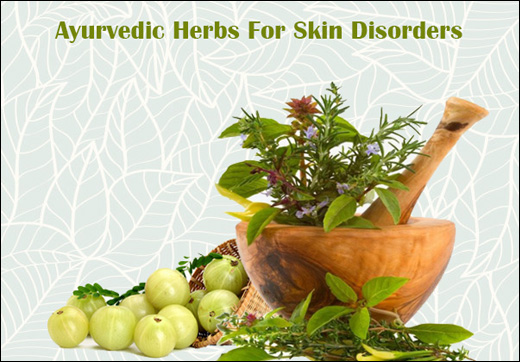
Ayurvedic Herbs For Skin Disorders, Ayurvedic Herbs, Ayurvedic Herbs For Skin Diseases, Skin Diseases With Ayurveda, Skin Disorders, Ayurvedic Treatment, Causes, Diagnosis

Introduction

Before discussing the Ayurvedic herbs let's have a short overview on the anatomy of skin. As we know skin is the largest organ of the body and it acts as the first line of defense and protects the body from ultraviolet rays, chemicals, and infective organisms in the atmosphere. Apart from this skin also offers different functions like stored water, fat, vitamin D etc. Skin is further divided in three main layers:

  1. Epidermis: Outermost layer protects the body from environmental stress. Thickness varies (0.05mm-1.5mm).
  2. Dermis: Located beneath epidermis (1.5mm-4 mm in thickness) makes 90% thickness of skin. Main function of dermis is to  regulate temperature, water storage(much of the water is stored here)
  3. Hypodermis: Also called subcutaneous or superficial fascia. Lies between dermis and underlying tissue and organs. Consist of mostly fat (adipose tissue). Size varies and is the location of hair follicle, sweat glands, sebaceous glands.

Ayurveda Perspective Of Skin

In Ayurveda we call skin "TWAK" one of the Jnanendriyas (sensory). Twak (skin) is considered updhatu (i.e metalloid) of "MAMSA DHATU"(mamsa dhatu = muscle element). Twak is attributed with function of sensation of touch and is the location of sweat channels (swedavahi stotras) and hairs (loma)

According to Acharya Sushruta and Acharya Bhavmishra twak (skin) is of 7 layers while Acharya Charak & Acharya Vagbhatta have described 6 layers.

Sl. No. Name of Skin Layer Thickness Name of disease related to Skin Layer Modern Concept
1. Avabhasini 1/18 vrihi (rice) Padmakantak, sidhma Epithelial layer, horny layer, stratum corneum
2. Lohita 1/16 vrihi Tilkalak, vyang (melesma), nyachchha Stratum lucidum
3. Shweta 1/12 vrihi Charma dala Stratum granulosum
4. Tamra ⅛ vrihi Kshara of Tila (Kusth, kilasa) Malphigian layer
5. Vedini ⅕ vrihi Kustha, visarpa (herpes) Papillary layer
6. Rohini 1 vrihi Apachi (lymphadenitis), arbuda (tumor) sleepada (filariasis), galganda (goiter) Reticular layer
7. Mamsadhara 2 vrihi Bhagandra (fistula), vidradhi (abscess), arsha (piles) Subcutaneous tissue, muscular layer

Common Skin Problems

  • Rashes: Area of red, inflamed skin is called a rash. Can be caused by irritation, allergy, infection etc. For example acne, hives, eczema etc.
  • Viral infection: Due to penetration of virus in the skin (stratum corneum) infects the layers of skin. Example shingles, warts.
  • Fungal infection: Fungi is always present on the skin however decrease in immunity causes fungal infection such as athlete's foot jock itch, ringworm.
  • Parasitic infection: Parasitic infections like lice and scabies.
  • Pigmentation disorders: Pigmentation of skin or skin color is due to melanin produced by the body. Loss of pigmentation is called hypopigmentation due to loss or absence of melanocytes, cold exposure, chemicals, infection etc. Whereas hyperpigmentation can be due to irritation, hormonal disbalance, metabolic disorder, ageing etc.
  • Tumors
  • Trauma

Some Herbs Useful To Treat Skin Disorders

Sl. No. Name of Skin Layer Thickness Name of disease related to Skin Layer
1. Sariva (Indian sarsaparilla) Hemidesmus indicus (Asclepiadaceae) Root
2. Amla Emblica officinalis (Euphorbiaceae) Fruits
3. Arjuna Terminallia arjuna (Combretaceae) Bark
4. Ashoka Saraca asoca (Caesalpiniaceae) Ashokar
5. Bakuchi Psoralea corylifolia (Papilionatae) seed, oil
6. Bibhitaki Terminalia bellirica (Combretaceae) Fruits
7. Bhumi amla Phyllanthus niruri (Euphorbiaceae) Whole plant
8. Bhringraj Eclipta alba (Compositae) Leaf / whole plant
9. Calendula Calendula officinalis (Asteraceae) Whole plant
10. Chitrak Plumbago zeylanica (Plumbaginaceae) Root
11. Chandan / Sandalwood Santalum album (Santalaceae) Heart wood, oil
12. Chiraita Swertia chirata (Gentianaceae) Whole plant
13. Daruhaldi Berberis aristata (Berberidaceae) Heart wood
14. Rose Rosa indica (Rosaceae) Rose petals
15. Hartaki Terminallia chebula (Combretaceae) Fruits
16. Henna / mehndi Lawsonia inermis (Lythraceae) Leaf
17. Karanj Pongamia pinnata (Leguminosae) Bark, leaf, seeds
18. Kumkum / Kesar Crocus sativus (Iridaceae) Pollen stems
19. Khadir Acacia catechu (Mimosoideae) Stem bark
20. Stree kutaj Wrightia tinctoria (Apocynaceae) Bark

In the above table we have tried to compile the best herbs for skin disorders. Further we will discuss the chemical composition and action of some drugs on skin disorders.

1. SARIVA (Hemidesmus indicus)

Chemical constituents are hyperoside, rutin, desinine, hemidesminine etc. Uses are as follows-

  • Kushthahara - treats eczema.
  • Kanduhara - relieves itching
  • Jawarahar - treats fever
  • Mehnashana - treats diabetes
  • Atisarahar - helpful in diarrhea
  • Aamahar - flushes out toxins
  • Vishapaha - anti toxic
  •  Pradaranut - good in menorrhagia

2. AMALA (Embillica officinalis)

Also known as amalaki / indian gooseberry is packed with wonders. Word AMLA comes from the word "AMAL" which means sour. It is the main constituent of many ayurvedic medicines like triphala, chyawanprash etc. amla has an effect on all 3 doshas and hence pacifies all 3. Main constituents of amala are emblicanin b, emblicanin a, chebulagic acid, corilagin, glucogallin etc. Action of amla

  • Vrushya- aphrodisiac
  • Rasayana - rejuvenation
  • Kanthaya - useful in throat disorders
  • Pramehghan - useful in diabetes
  • Raktapittaghan - useful in bleeding disorders
  • Hridya - good for heart
  • Dah har - relieves burning sensations in body
  • Jwarahar - treats fever
  • And is also good in skin related ailments.

3. ARJUNA (Terminalia arjuna)

This ayurvedic wonder treats multiple ailments like diabetes, useful in hypertension, reduces cholesterol, and also acts as antioxidant. Polyphenols, flavonoids, tannins, saponins, sterols etc. Pharmacological action of arjuna.

  • cardiotonic
  • Antidysenteric
  •  Antihypertensive
  •  Diuretic
  • Helpful in skin disorders

4. ASHOKA (Saraca asoca)

It is a very well-known Ayurvedic drug and has very good results in gynecological conditions. Along with it act as a blood purifier hence is helpful in skin disorders. Word ashoka means getting someone out of shoka (grief). Chemical constituents are tannins, catecholetc. Some actions of ashoka are as following

  • Sheetala - coolant
  • Grahi - absorbent
  • Varnya - improves skin complexion
  •  Doshahara - antioxidant
  • Krimihara - treats worm infestations
  • Hrudya - useful in cardiac issues
  • Shoolahara - relieves abdominal colic

5. BAKUCHI (Psoralea coryfolia)

This herb has very good results in skin issues. Also called as bavachi. Its chemical constituents are psoralen and iso-psoralen. Besides being good for skin disorders it also treats worm infestations. More medical effects are as follows

  • Kushthaghna - treat skin disorders
  • Ruchya - improves taste digestion
  • Shleshmahara - balances kapha
  • Hrudaya - good in cardiac disorders
  • Mehahara - treats diabetes
  • Jwarahara - treats fever
  • Vishtambhahara - relieves constipation

6. BHUMIAMALAKI (Phyllanthus niruri)

It is a very good liver protective agent along with treatment of skin disorders, fever etc. Application of paste of Phyllanthus niruri helps treating skin disorders. The Chemical constituent of this herb is phyllanthin. Some uses are as follows

  • Rochani - improves taste and digestion
  • Kushthahara - treats skin disorders
  • Trushna - helpful in thirst
  • Dahahara - treats burning sensations in the body
  • Hidhmahara - Treats hiccups
  • Kshatksheen - treats wounds

7. BHRINGRAJ (Eclipta alba)

It is a very good herb for rejuvenation, hairfall, liver disorder, skin disorders etc. It has 3 varieties according to the flowers white, yellow, and blue. Chemical constituents - ecliptic, wedelolactone, stigmasterol, heptacosanol etc

  • Hepatoprotective
  • Purgative
  • Analgesic
  • Hypotensive
  • Antiviral

8. GENDA (Calendula)

This is a very common flower in India used in religious functions and offering to god. Apart from this, calendula has very good effects on the body as herb. Chemical constituents are rutin, calendulin, salicylic acid etc. Some Medicinal uses

  • Shothahara - reduces inflammation
  • Arshaghan - treat piles
  • Jwarahara - treats fever
  • Vistambhahara - relieves constipation
  • Twak vikara - good for skin disorders
  • Doshahara - antioxidant

9. CHANDAN (Santalum album)

Also called as sandalwood helps treat skin diseases along with it is good for gastritis, burning sensations in body etc. Chemical composition - santalol, santelol, teresantalic acid etc. Medicinal uses are as follows

  • Rakta prasadna - blood purifier
  • Vrushya - aphrodisiac
  • Vishahara - antioxidant
  • Trushnahara - relieves thirst
  • Krumighan  - treat worm infestations
  • Varnya - good for complexion

10. DARUHARIDRA (Berberis aristata)

This herb is very useful in eye disorders, piles, diabetes, itching etc. Berberine, the main constituent of daruharidra is very helpful in treating diabetes and high cholesterol levels. Berberine has antifungal, antibacterial, antiviral, anti-inflammatory, anti-tumor properties along with it is also a very good antioxidant. Some medicinal properties -

  • Vranajit - good for wound healing
  • Shophahara - anti-inflammatory
  • Kanduhara - relieves itching
  • Kushuthara - good in skin disorders
  • Vish hara - antioxidant

11. GULAB (Rosa indica)

As we all know, roses have a very high cosmetic value. Rose has anti-inflammatory action along with it cures diarrhea and intestinal ulcers. Also it is a blood purifier, mouth ulcers, thirst, vomiting. Rose contains saponins, citronellol, geraniol, phenylethanol, tannins, vitamin C, malic acid, citric acid. Some uses of rose are as follows

  • Varnaya - improves skin complexion
  • Shukral - improves semen quality and quantity
  • Hrudya - act as a cardiotonic
  • Pittahara - balances pitta
  • Dahahara - relieves burning sensation
  • Jwarahara - treats fever

12. HARITAKI (Terminalia chebula)

This herb is one of the contents of triphala churna. Word haritaki means which removes diseases and also improves complexion. Haritaki contains chebulagic acid, chebulic acid, tannic acid, gallic acid etc. Some medicinal uses of haritaki.

  • Kushthahara - treats skin disorders
  • Shothahara - treats inflammation
  • Madahara - tresta delirium
  • Arshahara - treats piles
  • Atisarahara -b treats diarrhea
  • Arochkahara - treats anorexia

13. MEHNDI (lawsonia inermis)

Also called as henna this herb has wonderful results in skin disorders. Also it treats dysuria, fever, ulcers, bleeding disorders. Chemical constituents - lawsone, coumarins, flavonoids, tannins, gallic acid, glucose, mannitol, mucilage etc. According to ayurveda henna is used in

  • Kushthahara - treats skin disorders
  • Jwarahara - treats fever
  • Kandughan - relieves itching
  • Dahahara - relieves burning sensation
  • Hrudroga - good in cardiac disorders
  • Vrana Ropak - heals ulcers and wound

14. KARANJ (Pongamia pinnata)

Karanj is a very important herb related to skin disorders. Its seed oil is used in neuromuscular disorders. In blood borne disorders it is also helpful. Chemical constituents - oleic acid, linoleic, palmitic acids. Anti-ulcerative property of karanj is due to karanjin (isolated from seeds). It is used both externally and internally.

External Use

  • Antimicrobial
  • Anti-inflammatory
  • Relieves itching
  • Oil is a good wound healer

Internal Use - (Decoction, Powder, Tablet)

  • Liver stimulant
  • Treats anorexia
  • Blood purifier
  • Treats edema
  • Decreases urine quantity(diabetes)
  • Pacifies kapha dosha(seed powder given in cough)
  • In skin disorders

15. KHADIR (Acacia catechu)

Most commonly used is ayurveda also called "katha". Commonly called as Cutch tree.word acacia means gun yielding property. It has anti-inflammatory, antimicrobial and anti-allergic properties. Acacatechin, quercetin, gum quercetin etc. are the main active constituents of Khadir.

Some medicinal properties of Khadir

  • Kasa hara - cures cough
  • Kushtaghan - treats skin disorders
  • Shophahara - treats edema
  • Kandu Ghana - relieves itching
  • Ruchaya - improves appetite
  • Agnivardhak - improves digestion.

16. STREE KUTAJ (Wrightia tinctoria)

This plant balances tridoshas. Treats fever, stomach ache, skin diseases especially psoriasis and non-specific dermatitis. It has anti-inflammatory and anti-dandruff properties. Chemical constituents- indigotin, wrightial etc. Reduce scaling, skin lesions and helps in decreasing the surface area of skin involved.

  • Pacifies tridoshas(vatta, pitta, kapha)
  • Relieves stomach ache
  • Antipyretic
  • Helpful in skin disorders(dermatitis, psoriasis)
  • Anti-inflammatory
  • Anti-dandruff

17. KUMKUM (Crocus sativus)

It is a very useful herb used to treat acne, black heads, skin disorders etc. Also acts as an immunity enhancer. Also called saffron. Saffron contains terpenes, terpene alcohols, crocin, picrocrocin, riboflavin, thiamine etc. saffron oil is applied on the face for better skin tone. Saffron powder mixed with milk if consumed improves sexual vigour. As per ayurveda saffron has multiple uses

  • Varnya - improves skin complexion
  • Kantida - improves skin tone
  • Vrana shodhana - cleanses and disinfects wounds
  • Balances all 3 doshas (vatta, pitta, kapha)

Conclusion

According to vedic sciences, disbalance of tridoshas and bad lifestyle causes skin disorders. Tridoshas here are the elements of the body vatta, pitta, kapha. Vatta causes dryness with rough appearance, cracks, Fissures. Pitta causes redness, burning, ulceration, pus formation whereas kapha causes white discoloration, itching, swelling, retention of fluids in the skin. Skin issues may seem superficial but the pathology behind can be very complex and deep. Ayurveda provides holistic and natural management for the long term. Ayurveda not only treats a disease but also works on digestive fires so that the toxins in the skin are flushed out. Along with this Ayurveda also focuses on one's lifestyle change as the environment and habits are also major causes of diseases. Above mentioned herbs in this article are very helpful in managing skin disorders; however, they shall not be consumed without consulting a Ayurvedic physician. In case of any queries kindly visit www.PlanetAyurveda.com

Tuesday, June 13, 2023

Herbs Useful In Skin Disorders

Abstract

As we all know there are many types of diseases across the world which have an impact on the human brain in multiple ways. Like, if we talk through examples, a person suffering from ulcerative colitis is scared or gets stressed when he or she sees blood in their stools, a neurological patient gets stressed when he or she has symptoms which are hampering their day to day activity, a patient with chest related disorders is stressed when he or she has difficulty breathing, a skin patient is stressed when he or she has itching, burning, discharge, lack of confidence, scared about being ugly etc. as their symptoms and so on. Discussing especially about patients with skin disorders there is a continuous or constant fear of non acceptance in the society and also to be judged by various people too. The patients of all problems suffer but the fear of non acceptance is mostly in the patients who have skin conditions because they hate the look with sympathy, they hate the look with hatred and if someone doesn't care about their appearance they have a hard time believing in it. This article is on the solution for skin disease. The solution is the natural herbs and formulation prepared using these impressive herbs. So, let's start with the details about herbs and herbal formulation for skin diseases.

Herbs Useful In Skin Disorders, Herba For Skin, Skin Disorders, Layers of Skin, Functions of Skin, Ayurvedic Aspect of Skin, Ayurveda Herbs useful in Skin Disorders

Introduction

Before starting with the skin diseases let's start with the anatomy and physiology of skin. Skin is the largest organ in the human body and covers an area of approximately 1.4 to 2 metres. It also constitutes the first line of defence. It is responsible for protecting the body from harmful agents such as ultraviolet light, chemical and infective organisms in the atmosphere. Skin helps in the regulation of body temperature, gathers inputs from the environment and stores water, fat along with vitamin D. It also plays an important role in the immune system protecting from diseases.

Moving forward we will discuss skin in detail along with the Ayurvedic aspect of Skin.

Layers of Skin

Skin has many specialised cells and structures. It is divided into three main layers that are as follows:

  1. Epidermis: Outermost layer of the skin and protects the body from external environment. It's a kind of shield or works as a shield. The epidermis layer has five sublayers:
    • Stratum Basalis: Lowermost layer of the epidermis and is closest to the dermis.
    • Stratum Spinosum: This squamous layer of the skin can be around 10 layers thick. Thus making it the thickest layer in the epidermis.
    • Stratum Granulosum: The third layer of epidermis gets its name from its constituents. It has granules that contain lipids which help in skin moisturization and protect your skin.
    • Stratum Lucidum: This layer is prepared with dead keratinocytes which provide protection to areas that are most exposed to external damage such as palms of hand and soles of your feet.
    • Stratum Corneum: The layer is the uppermost layer of epidermis and is made of corneocytes. These corneocytes are basically the mutated keratinocytes. It has around 15 layers of flattened skin cells.
  2. Dermis: The dermis is located beneath the epidermis and is the thickest layer of the skin. This layer makes up like 90% of the skin thickness. The purpose of the dermis is to provide or regulate the temperature and to supply the epidermis with nutrients-saturated blood. Much of the body's water supply is stored within the dermis. This layer contains most of the skin's specialised cells and structures, including lymphatics, blood vessels, sweat glands, sebaceous glands, collagen, elastin and nerve endings. This layer has two sub-layers:
    • Papillary Dermis: This layer has nerve endings that provide sensation to touch. It also has blood vessels which provide nourishment to epidermal layer.
    • Reticular Dermis: Hair follicles, sebaceous glands and sweat glands are present in this layer of dermis. It's a thick layer of connective tissues.
  3. Hypodermis: The dermis is attached to an underlying hypodermis or subcutaneous connective Tissue. This subcutaneous connective tissue is a layer of fat and connective tissue that houses larger blood vessels and nerves. This layer is present between dermis and the underlying tissues and the organs. This mostly consists of adipose tissue and is the storage site of most body fat. The Size of this layer depends throughout the body and from person to person it's different.
    • Skin Appendages: Hair follicles, sweat glands and sebaceous glands are the main skin appendages.
    • Skin Pigments: Melanin, Melanoids, Carotene, haemoglobin and oxyhaemoglobin are major pigments of skin which present through various layers of skin.

Functions of Skin

The functions of the skin are as following:

  • The skin is a kind of guard for the underlying muscles, bones, ligaments and internal organs as well.
  • There are generally two types of skin: hairy and glabrous skin. The hairy skin is responsible for mechanical protection along with increased sensory function, and also aids in regulating body temperature. On the other hand glabrous skin is automatic control of precision grip while lifting rougher or more slippery objects.
  • The main role of skin is to provide a protective barrier against mechanical, thermal and physical injury and hazardous substances. Prevents loss of moisture. Reduces harmful effects of UV radiation.
  • Skin also helps in permitting growth and movement. It's a kind of flexible layer without which the human body is not complete.

Ayurvedic Aspect of Skin

Ayurveda explains skin as twak and twak is one among the 5 gyanendriya (sense organs). The twak or skin is also considered as the updhatu of mansa dhatu, attributed with the function of sensation of touch and is the location of sweat channels that is swedoveha srotas along with hairs (loma). Acharya sushruta and bhavmishra have described seven layers of twak, while Acharya charak and Vagbhatta have described 6 layers.

Following table depicts the name of seven layers along with the thickness of each layer

Sr. No. Name of Different Layers Width (Thickness)
1. Avabhasini/ Udakdhara 1/18 vridhi
2. Lohita/ Asrugdhara 1/16 vridhi
3. Shweta 1/12 vridhi
4. Tamra ⅛ vridhi
5. Vedini ⅕ vridhi
6. Rohini 1 vridhi
7. Mansadhara 2 vridhi

Now after all this information let's come to the most important part of this article that is the herbs which help in any type of Skin disorders. There are many herbs which are mentioned in Ayurveda especially to be used in various types of skin disorders.

Moving forward we will discuss them in Detail.

Ayurveda Herbs useful in Skin Disorders

A healthy skin is a source of pleasure, not only to the owner but also to those who look at it. The positive health of skin is like an esurance of a disease free body. A healthy skin is clear, smooth, elastic, uniformly pigmented and is without wrinkles. The best way to keep your skin healthy and disease free is through Ayurvedic herbs and formulations. Following are the most amazing herbs in AYurveda for keeping your skin healthy and also for any diseases condition related to skin:

1. Sariva/Anantamool (Botanical name: Hemidesmus indicus; Family: Dogbanes)

Sariva is known by many names but most popular synonyms of Sariva are Anantmoola & Indian sarsaparilla. The herb balances all the doshas and is best for the purification of blood. Sariva also has anti-inflammatory properties. The herb has its cleansing effect on the level of the brain and helps in better functioning of mind. Better functioning of mind means no stress hormones and no bad impact on skin. The herb is very well known to have a soothing effect on skin thus results in dryness and irritation. It also has antioxidant properties.

2. Chandan (Botanical name: Santalum album; Family: Santalaceae)

Chandan or sandalwood is quite popular globally for its impressive effects on skin. In Ayurvedic texts the herb is having a pitta pacification effect on the body thus helps in cooling down the body. The paste of chandan can be applied on the area of sunburn as well. Sandalwood is rich in antioxidants and also helps in fighting acne as well. In case of oozing blood vessels under skin, Chandan Lepa acts as an hemostatic agent. It also helps in burning sensation, itching etc. which are common symptoms of many skin related conditions.

3. Amla (Botanical name: Emblica officinalis; Family: Phyllanthaceae)

Amla is a herb that has antioxidant and anti-aging properties. Amla which is commonly known as gooseberry is quite famous for its benefits and hence gives really impressive results as well. Herb is mostly used for maintaining the health of skin along with that it can also be used in various types of skin conditions as well. It helps in skin toning as well and provides protection against blemishes or dark pigmentation. It also helps in lightening the skin complexion of the tanned area due to its cooling properties.

4. Ghritkumari/Aloe Vera (Botanical name: Aloe barbadensis miller; Family: Liliaceae)

Ghritkumari, commonly known as aloe vera is popular from ages for its beautiful effects on skin. The aloe vera is given in many skin related conditions due to its various effects. The herb is best for the purification of rakta and pacification of pitta and kapha dosha as well. This herb is known to have anti ageing properties and also is balya that helps in improving strength and immunity. The aloe vera has a very great impact in fastening the wound healing process as well. The herb has a great impact on digestion too, it helps in easy evacuation. The herb also possesses antioxidant properties.

5. Lal Chandan (Botanical name: Pterocarpus santalinus; Family: Fabaceae)

The red sandalwood, also called as lal chandan in Ayurvedic texts is really good and helps in the reduction of inflammation. The inflammation is the commonest symptom of many skin related conditions like psoriasis, eczema, dermatitis etc. Aforementioned our skin is the first organ that comes in direct contact with the external environment and thus can develop many types of infections as well like fungal infections. Bacterial infections, parasitic infections etc. But lal chandan can help in all types of infections as well, especially the parasitic ones. It is an impressive cooling agent and helps in reduction of pain as well. Lal chandan also helps with the spots and eliminates scars or acne on skin.

6. Kumkum/Kesar/Saffron (Botanical name: Crocus sativus; Family: Iridaceae)

Kumkum or saffron is known for its antioxidant properties. The herb has impressive compounds that help in the enhancement of the body's metabolism so that you feel more energetic and your skin is more glowing. Some folks say that having an ounce of saffron is equivalent to having an ounce of gold. In some areas like Kashmir saffron is used in mild quantities in many cuisines as it gives good flavours and also has health benefits. Especially for skin. The herb is known to have tridosha balancing effect and has carotenoids along with thiamine thus acting as an impressive anti ageing herb too. The paste of saffron is applied in pustules and also on wounds. It improves skin complexion if used with milk or honey.

7. Khadir (Botanical name: Acacia catechu; Family: Mimosoideae)

Kahdir is commonly known as kattha plant. In english it is known as Cutch tree. In Ayurveda the Khadir is termed as the sarva shreshta (the best) herb for skin health and skin disorders. The dried powder of khadir bark is well known for healing wounds and ulcers on skin. When it is mixed with berberis aristata and nimba, it helps in the improvement of complexion and relieves acne. In blisters, it is mixed with lal chandan and a paste is formed which can be applied over the affected parts. Khadir decoction is used in washing and healing open wounds. It is also known to be the best blood purifier and has the ability to manage challenging skin conditions in the present scenario.

8. Marigold (Botanical name: Tagetes erecta; Family: Asteraceae)

Marigold is known as Jhandu in Ayurveda. The leaves or flowers of the herb are used in various types of skin conditions. The paste of its leaves is used in the boils, carbuncles, muscle pain etc. The paste of flowers and leaves is also used in the fresh wounds and slo in controlling the bleeding. In wounds filled with pus this paste gives impressive results on application on the local site. In rough and dry skin, the paste of marigold flower along with cow's milk butter gives impressive lubrication. All these remedies are successful because the herb is having antimicrobial, antibacterial and blood coagulation properties.

9. Neem (Botanical name: Azadirachta indica; Family: Meliaceae)

Neem is a herb whose benefits is known to the entire globe and it's being ingested in the form of liquid, capsules etc. The root bark, stem bark, gum, flower, leaves, seeds and seed oil is used in various skin conditions. Mostly its stem bark is used in skin condition as it helps in easing the burning sensation. Neem is also beneficial in reducing skin wrinkles and stimulating collagen production. It has amazing healing properties thus helps in wounds and ulcerations as well. The acne, moles and scars are also very well managed by the neem herb.

10. Papaya (Botanical name: Carica Papaya; Family: Caricaceae)

Papaya is known to improve skin texture and also helps in providing radiant skin. The papaya fruit is known to enhance digestion and also helps in exfoliation of skin. Papaya is a herb that helps in fighting acne and also lightens the skin tone. The peel on the other hand is having Retin-A enzyme, that is responsible for removing dead skin cells and age spots. As it clears out bowels, it is known to be eliminating toxins from the body. The latex from the papaya peel is helpful in relieving local pain or burning after application. In case of pinworms, its dry seed powder is given with honey because it has an anti parasitic effect.

11. Haridra/Turmeric (Botanical name: Curcuma longa; Family: Zingiberaceae)

Haridra or haldi or turmeric is known from ages for its marvellous effects on the skin and we also know what are its effects on ingestion. Turmeric is a very well known healer, whether used internally or externally. Haridra is the best immunomodulatory herb and its consumption helps in fighting various types of bacterial, viral and fungal infections. The paste of turmeric is applied on various types of external wounds, scars, blisters and it is having an impressive healing effect. Haldi if taken with milk on regular intervals can help in enhancing skin complexion and also has a detoxification effect.

12. Manjishtha (Botanical name: Rubia cordifolia; Family: Rubiaceae)

Manjishtha is a famous blood detoxification herb and its roots are extensively used in many skin diseases. The English name of this herb is Indian Madder and is an ingredient of many oils and liquid decoctions used for uplifting skin ailments. Manjistha is very useful in skin cells rejuvenation and also helps in lighting the dark pigmentation in folds of the body. Manjistha is known to lower the melanin levels and helps in regulating its production. In case of heavy pus filled pop outs manjishtha gives impressive results.

With above mentioned herbs there are certain formulations which are prepared that can be given in many types of skin disorders. Such formulations are as follows:

  • Panchatikta Ghrita
  • Nimbadi Kwath
  • Kumkumadi Oil
  • Khadiradi Vati
  • Khadirarishta
  • Mahamanjisthadi Kwath
  • Gandhak Rasayan
  • Vran rakshas Oil
  • Panchatikta Guggul
  • Kaishore Guggul
  • Neem Oil
  • Manjistha Oil
  • Babchi Oil
  • Tapyadi Loha

Conclusion

The skin is the reflection of the body's health or body's inner status. That is the reason why people take skin health so seriously. You know taking care of your skin is the most difficult task these days and obviously it has to be done because your skin is the first thing that anybody sees when they meet you. So, one can try the above-mentioned herbs for taking care of their skin. In case of a diseased condition, opting for Ayurvedic treatment or Ayurvedic herbs is a really good choice then opting for something else that can worsen your situation with time. Ayurveda is a very deep science with a lot of secrets hidden. But such secrets are willing to be opened and revealed to the world. The aforementioned herbs and formulations can help in many situations and thus can prevent the aggravation in future. In case of any queries kindly visit www.PlanetAyurveda.com
Monday, May 15, 2017

Periungual Warts - Causes & Ayurvedic Treatment

Periungual warts

Someone said, "Take care of your body. It's the only place you have to live". Personal grooming and hygiene should be made a lifestyle not a duty. Keeping our hands clean at all times helps to ward off a lot of disorders. Dirty nails are a carrier for many organisms. Periungual warts are tiny eruptions around the nails and they can become a barrier in the normal nail growth resulting in splitting the skin around the nails. These warts may deface the nails and cuticle.

WHAT ARE PERIUNGUAL WARTS?

Periungual warts occur around the nails of fingers and toes. These warts are tiny but when they gradually grow and resemble a cauliflower and form clusters. Periungual warts usually damage the nail by lifting it from the skin. Loss of cuticle, paronychia, causing the nail to detach from skin are some complications that this disorder causes. These warts, in their initial stage are pin shaped in size, smooth, shiny and translucent. In the last stage, these periungual warts become inflamed, tender and fissured. These warts most commonly affect children and young adults as they are not very careful in maintaining good hygiene. It can enter through minor cuts. In case you bite your nails or cuticles, you're at a higher risk to get affected by Periungual warts. This virus is highly contagious. You can get affected by touching someone with this wart or using their stuff. People with low immunity are also at an escalated risk for developing Periungual warts.

WHAT CAUSES THEM?

  1. Periungual warts are caused by HPV or Human papillomavirus, particularly by strains 1, 2, 4, 5, 7, 27, 57.
  2. Weak immunity
  3. Stress
  4. Unhygienic habits
  5. Lack of proper nutrition
  6. Direct contact
  7. Indirect contact

HOW ARE WARTS TREATED IN ALLOPATHY?

Viral warts, in the vast majority of normal individuals, resolve spontaneously. However, this may take several years and there is often considerable treatment. The majority of treatments are based on destruction of keratinocytes, irrespective of whether they are HPV infected or not.

Warts close to or under the nails may be a particular problem. Liquid nitrogen treatment may exacerbate them due to inflammatory swelling and skilled cutting of the nail and electrodesiccation or other destructive therapy, may be necessary.

AYURVEDIC POINT OF VIEW!

कुष्णाति वपु: इति कुष्ठं||

This means that the substance which pollutes the body is known as Kushth. Skin disorders are of numerous types and are caused when Twak is dushit (polluted/toxicated). Skin disorders usually occur due to vitiated doshas Vata, Pitta and Kapha, twak, rakta, mansa, ambu. Periungual warts are generally referred to as Charmkeela in ayurveda. It can be caused due to ill dietary habits, controlling natural urges, lethargic behavior, lack of exercise. In Ayurveda, if a person has warts then his Vata and Kapha are said to be imbalanced. Ayurveda heals with herbs without any side effects. Periungual warts are referred to Charmkeela. They are small in size and are often painless. Most of the time, these warts are not harmful. Warts are caused by Human Pappiloma virus. Charmakeela's appearance can differ based on the type and site of the wart. They can be treated with a combination of oral medicines and ointments or oils for topical application.

TREATMENT IN AYURVEDA

PLANET AYURVEDA has some ayurvedic products for the treatment of Periungual Warts mentioned below:

1. Radiant Skin Hair Nails Capsules:

Skin is the largest organ of the body. It helps in covering the networks of the body. Hair and nails are the modified forms of skin and help in protecting the body and are not just for beauty. Radiant skin hair nail capsules consist of 4 herbs which are extremely potent in strengthening skin, hair and nails. Manjishtha, Pitt papda, Chirayata and ghrit Kumari are the four ingredients that are a part of this formulation. It has anti-aging properties, aids in maintaining connective tissue strength and also acts as an immunity booster. These herbs have amazing actions on skin, hair and nails. Radiant skin hair nails is an amazing herbal formulation which helps in boosting immunity along with strengthening skin, hair and nails. It aids in fighting free radicals and allergies.

These capsules contain combination of herbs like manjistha, pit papda, chirata, ghrit kumari in it. These contains tannins, alkaloids and potassium in it. The herbs used in this product gives proper diet for maintaining the nails as nails are made from keratin protein. This product protect and enhance the texture of nail.

Dosage: Consume 1-2 capsules twice daily with plain water.

2. Gandhak Rasayan:

Gandhak rasayan is usually used for skin diseases. It contains purified sulphur which is helpful in treating skin diseases like periungual warts. The word rasayan means rejuvenation. Its natural property is to rejuvenate the body without any side effects. It helps to remove toxins from body.

Dosage: 2 tablets twice in a day with plain water after meals.

3. Immune Booster:

Immune booster is a natural ayurvedic product which contains herbs like bhumi amla, grape seeds, amalaki, and cow colostrum in it. This product boosts the energy level to fight against periungual warts as weak immunity is also the cause for these warts.

Dosage: 1-2 capsules once or twice a day.

4. Navkarshik Churna:

This herbal churna has various therapeutic properties in it. It has immunomodulatory properties, improves immunity, anti-inflammatory, anti-bacterial and anti- infection properties in it. This churna helps in relieving the pain in periungual warts. The herbs present in this churna like amla, Haritaki, baheda, Vacha, neem, Manjishtha etc. is very effective for skin diseases. The herbs present in it have antibacterial, antiviral, anti-oxidative, properties in it.

Dosage: Take 1 teaspoonful of navkarshik churna, two times in a day with plain water after meals. Patients should not exceed the recommended dosage.

5. Epidermal Oil Mixed With Mahamirchadhi Oil:

The herbs present in epiderm oil are nimba patra, chirayta, haridra, daru haridra, rakta chandan, vasaka, haritaki, amla, chameli etc in it. This oil is very beneficial in itching, and other conditions of skin. This oil benefits the skin and mucous membranes to heal the warts.

Mahamarichadi oil is an Ayurvedic formulation which contain mixture of many herbs like maricha, nishoth, dantimool, devdaru, kooth, haldi, daruhaldi, lal chandan, indryani mool etc in it. The combination all these herbs has antifungal, antiseptic and antioxidant etc. properties in it which act on periungual warts easily.

Dosage: Mix these two oils in equal proportion and then use this oil externally on affected areas of skin.

These products are safe for use and have given best results on periungual warts.

Contact my assistant to provide you the costing / ordering and delivery information at - costing.planetayurveda@gmail.com or call at +91-172-5214030