
WHAT IS MARMA?
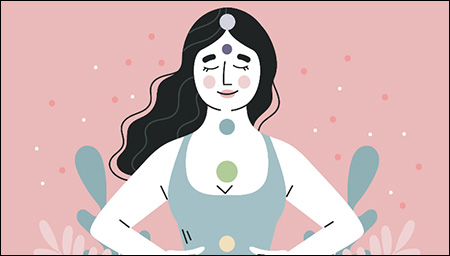
Marma is the vital parts or areas of the body. This term comes from the Sanskrit word Mri means death. There is a Sanskrit phrase, "Mariyatiti marma" this means there is a likelihood of death or serious damage to health, when these points are inflicted or when it hurts. Marma is also referred to as any open, exposed, weak or sensitive part of the body. In Ayurveda, these points on the body are located at the intersections of veins, muscles, joints, bones, ligaments and tendons. These points are considered vital points because they are infused with prana (life force energy). These vital points can be activated by touch or massage and their violation may be life-threatening. Marma points play a great role in Ayurveda's healing power. These are the doorways into the body and consciousness.
CHARACTERISTICS OF MARMA
The combination of Mansa (muscles), Sira (Blood vessels), Snayu (tendons and ligaments), Asthi (Bones), and Sandhi (Joints) is known as Marma. Mainly, life exists in these vital parts. That is why any trauma or deformity in these points leads to serious complications1.
CLASSIFICATION OF MARMA
Acharya Sushruta mentioned that "Saptotaram marmashatam" means there are 107 marmas in our body. These 107 marmas are divided into five parts:
According To The Location On The Body:
- On lower extremities - 11 in the right leg and 11 in the left leg- total 22 (Kshipra, Talhridya, Kurcha, Kurchshir, Gulfa, Indrabasti, Janu, Aani, Urvi, Lohitaksh, and Vitap)
- On upper extremities - 11 in the right arm and 11 in the left arm- total 22 (Kshipra, Talhridya, Kurcha, Kurchshir, Manibandh, Indrabasti, Karpur, Aani, Urvi, Lohitaksha, and Kakshdar)
- On the chest and stomach - 12 (Guda, Basti, Nabhi, Hridya, 2 Stanmool, 2 Stanrohit, 2 Aplapa, 2 Apstambha)
- On the back - 14 (2 Katiktarun, 2 Kukundar, 2 Nitamba, 2 Parshavsandhi, 2 Brihati, 2 Ansphalak, 2 Ansa)
- On the head and neck - 37 (4 Dhamniyan, 8 Matrikayein, 2 Krikatika, 2 Vidhur, 2 Phan, 2 Apanga, 2 Avarta, 2 Utkshepa, 2 Shankh, 1 Sthapani, 5 Simanta, 4 Shringatak, 1 Adhipati)
According To Anatomical Positions:
- Mansamarma - 11 (4 Talhridya, 4 Indrabasti, 1 Guda, and 2 Stanrohit)
- Shiramarma - 41 (2 Nila, 2 Manya dhamani, 8 Matrikayein, 4 Shringatak, 2 Apanga, 1 Sthapani, 2 Phan, 2 Stanmool, 2 Aplapa, 2 Apstambha, 1 Hridya, 1 Nabhi, 2 Parshavsandhi, 2 Brihati, 4 Lohitaksha, and 4 Urvi)
- Snayumarma - 27 (4 Aani, 2 Vitap, 2 Kshadhar, 4 Kurcha, 4 Kurchashir, 1 Basti, 4 Kshipra, 2 Ansa, 2 Vidhur, and 2 Utksepa)
- Asthimarma - 8 (2 Katiktarun, 2 Nitamba, 2 Ansaphalak, and 2 Shankh)
- Sandhimarma - 20 (2 Janu, 2 Karpur, 5 Simant, 1 Adhipati, 2 Gulfa, 2 Manibandh, 2 Kukundar, 2 Avarta, and 2 Krikatika)
According To The Effect On The Body:
- Sadya pranhar marma - Injury to these points causes sudden death. They are 17 in number (4 Shringatak, 1 Adhipati, 2 Shankh, 8 Kantha sirayein, 1 Guda, 1 Hridya, 1 Basti, and 1 Nabhi)
- Kalantar pranhar marma - Injury to these points will cause death after some days. They are 33 in number (2 Aplapa, 2 Apstambha, 2 Stanrohit, 2 Stanmool, 5 Simant, 4 Talhridya, 4 Kshipra, 4 Indrabasti, 2 Katiktarun, 2 Parshavsandhi, 2 Brihati, 2 Nitamba)
- Vaishalyaghan marma - life till the foreign body is in body and if it removes it will cause death. They are 3 in number (2 Utkshepa, 1 Sthapani)
- Vaikalyakar marma - 44 (2 Janu, 4 Aani, 4 Urvi, 4 Lohitaksh, 4 Kurcha, 2 Vitap, 2 Karpur, 2 Kukundar, 2 Kakshdar, 2 Krikatika, 2 Vidhur, 2 Ansa, 2 Ansphalak, 2 Apanga, 2 Phan, 2 Nila, 2 Manya, 2 Aavarta)
- Rujakar marma - 8 (2 Gulfa, 2 Manibandh, and 4 Kurchshir)
WHAT IS THE PURPOSE OF MARMA?
Basically, there are four basic purposes of Marma:
- Remove blockage in the channels known as Strotas
- Pacifies Vata dosha
- Gives physical, mental, and emotional relaxation
- Powerful and dynamic transformation at the physical, mental, emotional, and spiritual level
WHAT IS MARMA THERAPY?
Marma Therapy is a traditional Ayurvedic massage technique that helps in sustaining the flow of energy throughout the body. By just stimulating these marma points, they produce vital energy along with a complex system of subtle channels called Nadis. Basically, this marma therapy provides relief from various pains. It is also believed that marma therapy provides instant relief from pain than any analgesics. This therapy aims at changing or improving biochemistry inside the body.
HOW TO PERFORM MARMA THERAPY?
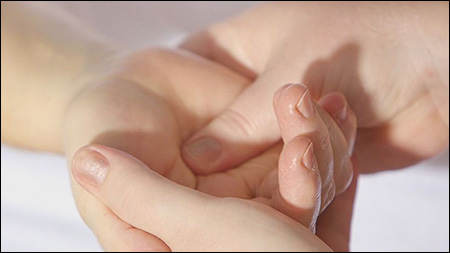
During Marma therapy, deep stimulation should be given to the marma points on the body. The Marma therapy should be performed by a trained Marma therapist. Because this needs constant pressure and perfect technique to stimulate the marma points and provide better results. This should be performed like:
- Constant pressure with the help of thumb or finger
- Put pressure on marma points at least 20 times
- To know whether the pressure is accurate or not, if the patient feels light pain on putting pressure then this means the pressure is accurate and continue with the procedure
BENEFITS OF MARMA THERAPY
The benefits of Marma therapy are:
- It provides relief from acute or chronic pain
- Detoxification at all levels
- Balances all three doshas
- It releases neuro-chemicals such as serotonin, melatonin for improved cognitive functions and deeper sleep
- This therapy releases stagnant energy and stimulates the internal organs, hormones, and other chemicals to help meet all the needs of the body.
PRECAUTIONS FOR MARMA STIMULATION
We have to take some precautions before doing Marma therapy:
- Knowledge of exact points of marma
- The patient should be fed with light food
- The amount of pressure should be known
- If the patient has low satva (less tolerating power) then the procedure should be in a lying position
- Incorrect stimulation may lead to swelling in that area
- Don't use any kind of wooden or steel object for therapy because the hands are the best instrument for safe and accurate therapy
TRIMARMA
Acharya Charak mentioned the three important marma in our body. They are included in Pranayatana i.e. site of Prana (life). We know that as the base is destroyed, the dependent is also destroyed. Likewise, the destruction of any of the three marmas may destroy the individual prana. These three marmas i.e Shira, Hridya, and Basti are the important organs that represent the different systems of the body and those are the Nervous system, cardiovascular system, and Urinary system respectively.
These Trimarma are explained in the Charak Samhita in the 26th chapter of Chikitsasthan. These three marmas are the center points of life. Any injury to these three marmas causes sudden death of the individual. These three organs are the central authoritative organ of the sensing system of the body.
SYMPTOMS OF MARMAGHAT (INJURY TO THE MARMA POINTS)
Any trauma to the Marma points will always lead to grave injury. If a person survives from that injury then a deformity will create for the lifetime. Common symptoms of Marmaghat are:
- Giddiness
- Fainting
- Dyspnea
- Heaviness in the body
- Burning sensation all over the body
- Loss of strength and power
- Excessive sweating
- Numbness
CONCLUSION
Marma therapy is very helpful in clearing the blockage in the channels of the body which is responsible for an imbalance of doshas, especially Vata dosha. These marma therapies increase the pain threshold and rejuvenate the major chakras of our body which further results in the enhancement of physical, mental wellbeing. This therapy will yield marvelous results in the management of chronic pain disorders. It is very important that every Ayurvedic physician should know the marma points and how to do marma therapy and what else can be the consequences.
REFERENCES
- Sushruta Sharirsthan 6/16


