Search This Blog

Dr. Vikram Chauhan - MD (Ayurveda)

Showing posts with label Oxalis corniculata. Show all posts

Thursday, February 26, 2026

Oxalis corniculata Linn./ Indian Sorrel/ Changeri – Medicinal Properties, Benefits & Dosage

Abstract

Oxalis corniculata Linn., a member of the family Oxalidaceae, is a medicinal creeping herb widely distributed in tropical and subtropical regions. It is commonly known as creeping wood sorrel, and it grows abundantly in human-inhabited areas, gardens, roadsides, and warmer parts of India, including the Himalayan region up to about 2500 m altitude. The plant has a characteristic sour taste due to the presence of organic acids such as oxalic, ascorbic, citric, tartaric acids, along with essential fatty acids, including palmitic, oleic, linoleic, linolenic, and stearic acids. Traditionally, it has been used in various systems of medicine for managing ailments like diarrhoea, dysentery, piles, skin disorders, and imbalances of kapha and vata. Its growth is influenced by soil and climatic conditions, and it commonly thrives in moist, shaded environments. The plant is recognised for its diverse phytochemical composition and its potential health-promoting properties.

Classical References Of Oxalis Corniculata Linn./ Indian Sorrel/ Changeri

  • Bhavprakash Nighantu Shaaka varga
  • Raj Nighantu Mulakadi, Parpatadi, Guduchyadi varga
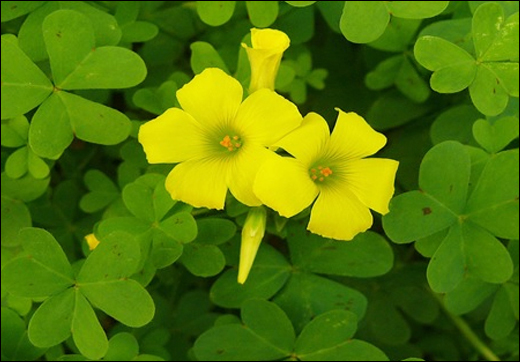
Oxalis corniculata Linn./ Indian Sorrel/ Changeri

Scientific Classification Of Oxalis Corniculata Linn./ Indian Sorrel/ Changeri

  • Kingdom: Plantae
  • Division: Magnoliophyta
  • Class: Magnoliopsida
  • Order: Oxalidales
  • Family: Oxalidaceae
  • Genus: Oxalis
  • Species: corniculata
  • Botanical Name: Oxalis corniculata Linn.

Synonym Of Oxalis Corniculata Linn./ Indian Sorrel/ Changeri

1. Kshudra Amlika

Means small sour plant; refers to its small size and acidic taste.

2. Lonika

Denotes a plant with a characteristic sour or salty taste.

3. Amlalonika

Indicates a strongly sour-tasting herb due to acidic constituents.

4. Lola

Suggests spreading or creeping growth habit of the plant.

5. Chatushparni

Means four-leafed; refers to its compound leaf appearance.

6. Dantasatha

Indicates it may cause a tingling sensation in the teeth because of sourness.

7. Amlapatrika

Means sour leaves; highlights the acidic taste of the foliage.

8. Sunishannachada

Leaves resemble those of the Sunishannaka plant.

9. Chukrika

Refers to a sour-tasting herb, often associated with tangy leaves.

10. Ashmantaka

Suggests a hardy plant that can grow even in stony or rough places.

11. Shafari

Indicates a delicate, spreading herb with small leaves.

12. Kushli

Implies a soft, creeping plant commonly found in moist habitats.

Vernacular Names Of Oxalis Corniculata Linn./ Indian Sorrel/ Changeri

  • English Names: Indian Sorrel, Yellow Wood Sorrel, Creeping Wood Sorrel, Creeping Oxalis, Creeping Lady’s Sorrel, Procumbent Yellow Sorrel
  • Hindi Names: Teen Pattia, Amrul, Changeri
  • Tamil Name: Paliakiri
  • Bengali Name: Amrul
  • Gujarati Names: Ambolee, Changeri
  • Kannada Names: Pullamouradi, Sivargee
  • Malayalam Name: Pulliparel
  • Marathi Names: Ambutee, Ambatee
  • Telugu Name: Pulichinta
  • Urdu Names: Teen Patiya, Changeri
  • Arabic Name: Hhamdid
  • French Names: Alleluia, Oxalis corniculée
  • German Names: Gelber Sauerklee, Gehornter Sauerklee
  • Italian Name: Ossalide corniculata
  • Nepalese Name: Caremalaa
  • Portuguese Names: Azedinha, Erva-azedo
  • Spanish Names: Acederilla, Vinagrera
  • Turkish Name: Eksi Yonca
  • Brazilian Name: Trevo-azedo
  • Chinese Name: Cu-jiang-cao
  • Fiji Name: Matakonikoni
  • Philippines Names: Salamagi, Kanapa
  • Swedish Name: Krpoxalis

Habitat Of Oxalis Corniculata Linn./ Indian Sorrel/ Changeri

Oxalis corniculata Linn. is a low-growing, delicate herbaceous medicinal plant widely distributed in gardens, parks, roadsides, yards, and other human-inhabited areas. It commonly occurs throughout the warmer regions of India and extends into the Himalayan areas up to about 2500 m altitude. The plant is also widely found across tropical and temperate regions, including the West Indies, and North, Central, and South America. It is particularly common in Florida and other parts of the United States, including eastern seaport towns, Ontario, and Texas. Due to its extensive distribution, it is often regarded as a cosmopolitan weed of the Old World as well.

Morphology Of Oxalis Corniculata Linn./ Indian Sorrel/ Changeri

Oxalis corniculata is a small herbaceous plant with a bushy, mat-forming growth habit, often spreading along the ground. The upper parts of the plant are weakly erect, smooth to slightly hairy, with branching stems that root at the nodes. Leaves are trifoliate, thin, and heart-shaped with a characteristic apical notch, arranged alternately along the stem and showing reticulate venation. The stem is slender, slightly hairy, usually with internodes about 5–9 cm long, and has a sour taste with a mild acidic odour. The roots are thin, dark brown, branched, soft, and generally odourless. Flowers are small, about 6–12 mm wide, with five yellow petals. The fruits are cylindrical, pointed capsules about 1–1.5 cm long, containing oval, flattened, light-brown seeds with a distinctly ridged surface. The plant also produces stolons that aid in its spreading growth.

Classical Categorisation Of Oxalis Corniculata Linn./ Indian Sorrel/ Changeri

  • According to Charaka Samhita: Shaaka Varga
  • According to Sushrut Samhita: Shaaka Varga
  • According to Vagbhata: Shaaka Varga
  • According to Dhanwantari Nighantu: Amradi Varga
  • According to Bhavprakash Nighantu: Shaaka varga
  • According to Raj Nighantu: Mulakadi, Parpatadi, Guduchyadi varga

Ancient Verse Of Oxalis Corniculata Linn./ Indian Sorrel/ Changeri

चाङ्गेरी चुक्रिका दन्तशठाम्बष्ठाऽम्ललोणिका ।
अश्मन्त्तकस्तु शफरी कुशली चाम्लपत्रकः ॥
चाङ्गेरी दीपनी रुच्या रूक्षोष्णा कफवातनुत् ।
पित्तलाऽम्ला ग्रहण्यर्शः कुष्ठातीसारनाशिनी ॥
(Bhavprakash Nighantu Shaaka varga 23-24)

According to the above shloka, the Sanskrit names of Tinpatiya include Changeri, Chukrika, Dantashatha, Ambastha, Amlalonika, Ashmantaka, Shafari, Kushali, and Amlapatraka. Changeri is described as having a sour taste, stimulating digestion, improving appetite, and possessing dry and heating qualities. It is considered capable of increasing pitta while helping alleviate kapha and vata disorders, and is traditionally used in conditions such as grahani (digestive disorders), piles, skin diseases, and diarrhoea.

क्षुद्राम्ली च रसे साम्ला सोष्णा सा वह्निवर्द्धनी ।
रुचिकृग्रहणीदोष-दुर्नामघ्नी कफापहा ।।
(Raj Nighantu Parpatadi varga 102)

According to the above shloka, it possesses a sour taste (Amla rasa) and hot potency (Ushna virya), which help stimulate appetite and improve digestion. It is beneficial in conditions like chronic colitis, sprue, and piles, and is known to help reduce Kapha disorders.

चांगेरीशाकमत्युष्णं कटु रोचनपाचनम् ।
दीपनं कफवातार्शः संग्रहण्यतिसारजित् ।।
(Raj Nighantu Mulkadi varga 148)

Changeri Shaka is very hot in potency, pungent, appetising, and digestive in nature. It supports the digestive process and is helpful in managing Kapha and Vata disorders, piles, chronic colitis Sangrahani), and diarrhoea.

क्षुद्राम्लिका तु चाङ्गेरी लोणिका चाम्ललोणिका।
लोला लोणा चतुष्पर्णी सैव दन्तशड़ा मता ॥
चाङ्गेरी कफवातघ्नी ग्राहिण्युष्णा च पित्तकृत् ।
ग्रहणण्यर्शोविकारघ्नी सामवाते कफे हिता ॥
(Dhanwantari Nighantu Amradi varga 30-31)

According to the above shloka, the plant known by synonyms such as Changeri, Lonika, Amlalonika, Lola, Lona, Catushaparni, and Dantashatha is characterised by a hot potency and styptic action. It helps balance Vata and Kapha doshas while slightly increasing Pitta. Traditionally, it is valued for improving digestive function and is used in conditions like malabsorption syndrome, haemorrhoids, and certain rheumatic disorders.

Ayurvedic Properties Of Oxalis Corniculata Linn./ Indian Sorrel/ Changeri

  • Taste (Rasa)- Sour (Amla)
  • Physical property (Guna) - Dry (Ruksha)
  • Potency (Veerya )- Hot Potency (Usna)
  • Effect on tridosha– Balance Vata and Kapha dosha

Therapeutic Indications Of Oxalis Corniculata Linn./ Indian Sorrel/ Changeri

  • Kapha-Marute Hita – Beneficial in Kapha and Vata disorders.
  • Grahani – Helpful in malabsorption conditions and digestive weakness.
  • Arsha – Traditionally useful in haemorrhoids.
  • Kinchit Kashaya – Slightly astringent in nature.
  • Agnideepani – Enhances digestive fire and appetite.
  • Pittakrut – Tends to increase Pitta.
  • Saamavate Hita – Beneficial in conditions like rheumatoid arthritis.
  • Kaphe Hita – Supports the management of Kapha-related disorders.
  • Laghu – Light and easy to digest.
  • Atisara Hanti – Useful in managing diarrhoea.
  • Kushtanashani – Traditionally beneficial in skin diseases.

Systemic Actions Of Oxalis Corniculata Linn./ Indian Sorrel/ Changeri

  • External Uses– Possesses analgesic and anti-inflammatory properties; shows a scraping action on tissues and is traditionally used in headache, inflammatory wounds, and certain eye conditions such as pterygium and scleral inflammation.
  • Internal Uses–
  • Nervous System – Its juice is traditionally used in intoxication to help restore consciousness.
  • Digestive System – Absorbent, carminative, digestive, and liver-stimulating; indicated in anorexia, loss of appetite, malabsorption syndrome, haemorrhoids, and rectal prolapse.
  • Circulatory System – Provides cardioprotective and styptic effects; useful in bleeding disorders due to its astringent nature.
  • Satmikarana – Considered to have anti-poisonous properties and traditionally used in cases of datura poisoning.
  • Tapakrama – Cooling in nature, helps relieve burning sensations and is indicated in certain recurrent fevers such as chaturthaka jvara (recurrent quartan-type fevers).

Chemical Composition Of Oxalis Corniculata Linn./ Indian Sorrel/ Changeri

  • Contains secondary metabolites such as alkaloids, glycosides, flavonoids, tannins, polyphenols, steroids, volatile oils, and carbohydrates.
  • Rich in essential fatty acids, including palmitic, oleic, linoleic, linolenic, and stearic acids.
  • Leaves contain phenolic acids like p-hydroxybenzoic, vanillic, syringic, caffeic, and p-coumaric acids.
  • Organic acids present include oxalic, tartaric, citric, and malic acids, responsible for its sour taste.
  • Flavonoids such as apigenin, quercetin, vitexin, isovitexin, orientin, and luteolin derivatives are abundant.
  • Contains phytosterols, including β-sitosterol and triterpenoids like betulin.
  • Methanolic extracts show proteins, amino acids, fiber, calcium, carbohydrates, and volatile oils.
  • Nutritional minerals include calcium, iron, phosphorus, sodium, potassium, nitrogen, and magnesium.
  • Leaves are rich in Vitamin C, carotene, crude lipids, and moisture content.
  • The plant is a good source of antioxidants due to polyphenols and flavonoids.
  • Essential oils and aromatic compounds contribute to medicinal properties and characteristic odour.

Actions And Properties Of Various Chemical Constituents Of Oxalis Corniculata Linn./ Indian Sorrel/ Changeri

1. For Piles

The management of piles (haemorrhoids) with Oxalis corniculata (creeping wood sorrel) is mainly due to its rich phytochemical content that provides anti-inflammatory, astringent, antioxidant, and healing effects. Flavonoids such as vitexin, isovitexin, quercetin, and apigenin help strengthen blood vessels, improve venous tone, and reduce inflammation and congestion in hemorrhoidal tissues. Tannins exert an astringent and styptic effect, helping to shrink swollen tissues and control bleeding. Phenolic compounds and polyphenols reduce oxidative stress, thereby easing irritation and inflammation. Essential fatty acids support tissue repair and overall healing, while organic acids like tartaric, citric, and malic acids aid digestion and indirectly help relieve hemorrhoidal symptoms. Together, these actions reduce swelling, stop bleeding, promote healing, and provide symptomatic relief in piles.

2. For Diabetes

The antidiabetic effects of Oxalis corniculata (creeping wood sorrel) are largely due to its rich phytochemical profile, including flavonoids, phenolic compounds, alkaloids, and acidic polysaccharides. Flavonoids like isovitexin and vitexin-2″-O-D-glucopyranoside provide antioxidant, anti-inflammatory, and blood sugar-lowering effects, while phenolic acids and tannins protect pancreatic cells from oxidative damage. The novel triazole alkaloid Aspergillus triazolate A inhibits β-glucosidase, reducing carbohydrate breakdown and absorption, and acidic polysaccharides further decrease oxidative stress. Organic acids such as citric and tartaric acids contribute to metabolic regulation. Overall, the plant helps lower blood glucose by inhibiting digestive enzymes, enhancing antioxidant defences via the Nrf2/HO-1 pathway, and potentially supporting pancreatic cell regeneration, thereby managing hyperglycemia and diabetic complications effectively.

3. Anti-Epileptic Activity

The anti-epileptic effects of Oxalis corniculata (creeping wood sorrel) are primarily attributed to its rich flavonoid content, particularly vitexin and isovitexin, which help elevate Gamma-aminobutyric acid (GABA) levels in the brain. Studies show that methanolic extracts of the plant (MEOC) increase inhibitory neurotransmitters like GABA and monoamines such as dopamine, serotonin, and noradrenaline, helping stabilise neuronal activity. In seizure models like Maximal Electroshock (MES) and Pentylenetetrazole (PTZ), MEOC significantly reduces convulsion duration, demonstrating anticonvulsant activity. The plant’s antioxidant compounds further support neuroprotection by reducing oxidative stress and modulating GABAergic transmission. Additional components, including essential fatty acids, phenolic acids, and minerals like calcium and magnesium, enhance its neuroprotective and anticonvulsant effects, collectively reducing neuronal excitability and seizures.

4. For Chronic Colitis

The management of chronic colitis with Oxalis corniculata is largely due to its potent anti-inflammatory and antioxidant phytochemicals, including flavonoids (quercetin, kaempferol, isovitexin, vitexin-2″-O-β-D-glucopyranoside), phenolic acids like caffeic acid, and acidic polysaccharides such as OCP-3. Flavonoids inhibit NF-κB activation, reducing pro-inflammatory cytokines and enzymes like COX-2 and iNOS, while acidic polysaccharides and phenolic acids protect colonic tissues from oxidative damage. Glycosyl flavones in the leaves further enhance antioxidant and anti-inflammatory effects, alleviating intestinal inflammation. Essential fatty acids and tannins contribute to overall metabolic regulation and tissue healing. Experimental studies show that the plant extract lowers malondialdehyde (MDA) levels, restores antioxidant enzymes like catalase and superoxide dismutase, and significantly reduces colonic damage, collectively helping to manage chronic colitis effectively.

Practical Uses / Health Benefits Of Oxalis Corniculata Linn./ Indian Sorrel/ Changeri

  • Apply leaf paste on snake bites as an antidote.
  • Use leaf paste or juice to counteract poisoning from datura seeds, mercury, or arsenic.
  • Apply leaf paste on burns and insect bites for healing.
  • Mix leaf juice with onion extract to remove warts and corns.
  • Crush leaves to reduce inflammation and swelling.
  • Use leaf juice as eye drops to relieve irritation and conjunctivitis.
  • Infuse leaves to reduce the opacity of the cornea and soothe itching eyelids.
  • Boil plant parts with buttermilk to aid digestion and treat diarrhoea.
  • Use as an appetiser to help with dyspepsia, piles, and anaemia.
  • Drink leaf juice to support liver function and treat jaundice.
  • Infuse leaves to reduce low-grade and high-grade fevers.
  • Apply leaf paste on the forehead to relieve headaches.
  • Mix leaf extract with oil and massage to help relieve insomnia.
  • Use whole plant parts as a remedy for scurvy.

Parts Used Of Oxalis Corniculata Linn./ Indian Sorrel/ Changeri

  • Whole plant

Dosage Of Oxalis Corniculata Linn./ Indian Sorrel/ Changeri

  • Powder- 3-6 gms
  • Juice- 10-20 ml

Classical Products Of Oxalis Corniculata Linn./ Indian Sorrel/ Changeri

  • Kukutandrwak Bhasma
  • Changeryadi Ghritam

Planet Ayurveda Products With Oxalis Corniculata Linn./ Indian Sorrel/ Changeri

Conclusion

Oxalis corniculata Linn., commonly known as Indian Sorrel or Changeri, is a versatile medicinal herb with a wide range of therapeutic uses. It is traditionally employed in Ayurvedic and folk medicine, and its leaves, juice, and whole plant are used to treat snake bites, poisoning, skin disorders, eye problems, digestive issues, liver ailments, fever, headaches, and insomnia. It is rich in bioactive compounds. This plant exhibits anti-inflammatory, hepatoprotective, antimicrobial, and antioxidant properties. Its easy availability and diverse ethno-medicinal applications make it an important natural remedy for promoting general health and managing various ailments.

Frequently Asked Questions (FAQ’s)

1. What Is The Common Name Of Oxalis Corniculata?

The common name is Indian Sorrel or Changeri.

2. What Are The Medicinal Uses Of Oxalis Corniculata?

It is used for snake bites, poisoning, skin disorders, eye problems, digestive issues, liver ailments, fever, headaches, and insomnia.

3. What Is The Family Name Of Oxalis Corniculata?

The family name is Oxalidaceae.

4. What Is The Scientific Name Of Changeri?

The scientific name is Oxalis corniculata Linn.

Thursday, December 28, 2023

Changeri (Oxalis corniculata) - Uses, Benefits, and Dosages

Abstract

Changeri botanical name is Oxalis corniculata with Oxalidaceae family also known as Changeri Kula. Changeri is explained in Shaak Varg of dravyas. As the name suggests changeri means Rochana. It is explained in the old age content of Ayurveda. It has a sour taste and is used in various disorders of the body. Leaf, fruit, or whole fruit of changeri should be used. As it is rich in potassium, oxalic acid, and vitamins B and C it is very effective in liver and stomach problems. The herb is rich in protein, fat, water, iron, calcium, niacin, beta-carotene, and phosphorus. It has major constituents like vitamin C and oxalic acid and other chemical compounds such as phenol, fatty acids, flavonoids, phytosterols, and tannins.

Introduction

Changeri is explained in different parts of Samhita. Changeri is Sour and Astringent in Taste, Light, and Dry in nature, hot in potency, sour in the metabolic property after digestion, balances the vata and kapha dosha, and acts as a Deepaniya and Ruchya in the body. It acts as an appetiser and improves the digestive fire and metabolism of the body. It helps to treat the vata and kapha disorders of the body such as in Grahani, Arsha (Hemorrhoids), and Atisar (Diarrhoea) as leaves are bitter and astringent in taste. The flower has self-pollinating properties which help to grow it fast. It acts as an Analgesic, Anti-inflammatory, Antiulcer, Antifungal, Antimicrobial, Antinociceptive, Anti-cancer, Anti-diabetic, Anticonvulsant, Hypolipidemic, wound healing, Hepatoprotective, Antihelminthic, Febrifuge, Stomachic, Astringent, and Relaxant properties.

Changeri, Oxalis corniculata, Uses, Benefits, Dosages, Synonyms, Ayurvedic Treatment, Herbal Remedies, Ayurvedic Formulation

Geographical Distribution Of Oxalis Corniculata (Changeri)

It is a delicate and slow-growing herb that grows in warm parts and in all temperate and tropical climates and grows up to an elevation of 3000 metres in the northwest Himalayas. It is found in the tropical regions of America, India, China, Taiwan, Pakistan, Afghanistan, and Indonesia, and in India it is mostly present in mountains, rivers, open gardens, roadsides, riversides, wastelands, and grasslands.

Morphology Of Oxalis Corniculata (Changeri)

It forms lata (bael) on the ground and gives rise to a new plant.It contains the creeping perennial herb which contains alternate, trifoliate with long petiole and has yellow flowered. Fruits are in the form of capsules with many black seeds present in it. It contains a yellow flower and the entire plant is edible and rich in vitamin C. Flowering is present from July to December of the month. Changeri plant is branched and fibrous covered with tiny hairs.

How To Identify A Changeri (Oxalis Corniculata)

  • Leaves - Leaves are alternate and trifoliate in nature and it is broadly obcordate (heart-shaped is attached to the stalk at a pointed end), base cuneate (leave base that has a narrow and wedge-shaped with straight sides that taper to the base), and petioles (it is a stalk that attaches a leaf to the stem of the plant) are 1.5 to 3 cm long.
  • Fruit - Fruit is in the form of a capsule which is linear and puberulous outside.
  • Seeds - Seeds are many, minute in size and brown in colour.
  • Flower - The flower is bisexual and contains 10 stamina and it is solitary or in axillary umbels in size. Flowers are usually yellow in colour. Pedicles are 0.5 to 1 cm Peduncles are 4 to 10 cm long, and bracts are 3-4 mm long and have linear-lanceolate.

Different Names Of Oxalis Corniculata (Changeri) According To Languages

  1. Hindi Name - Teen Pattia (As three leaves structure is there)
  2. Tamil Name - Paliakiri
  3. English Name - Indian Sorrel, Yellow Wood sorrel
  4. Bengali Name - Amrul
  5. Arabic Name - Hamdi
  6. Urdu Name - Teen Pattia
  7. Gujarati Name - Ambolee
  8. French Name - Oxalis cornicluee
  9. Telugu Name - Pulichinta
  10. Marathi Name - Ambutee
  11. Kannada Name - Sivargee, Pullamouradi
  12. Spanish Name - Vinagrera, Acederilla
  13. Sweden's Name - Krpoxalis
  14. Portuguese Name - Erva-azedo, Azedinha
  15. Italian Name - Ossalide corniculata
  16. Fiji's Name - Matakonikoni
  17. German Name - Gehornter sauerklee
  18. Nepalese Name - Caremalaa
  19. Chinese Name - Cu-jinag-cao
  20. Brazil Name - Trevo-azedo
  21. Turkish Name - Eksi yonca
  22. Philippines Name - Kanapa, Salamagi

Synonyms Of Oxalis Corniculata (Changeri)

  • Teen Patiya - As three leaves structure is there
  • Amal Patrika - As leaves are sour in taste
  • Dantasatha - It produces a tingling sensation in the teeth
  • Sunishannachada - As leaves resemble the Sunishannaka
  • Lonika

Rasa, Guna, Virya, And Vipaka Of Oxalis Corniculata (Changeri)

  • Rasa (Taste) - Amla (Sour), Ksahaya (Astringent)
  • Guna (Physical property) - Laghu (Light), Rooksha (Dry)
  • Virya (Potency) - Ushna (Hot)
  • Vipaka (Metabolic property after digestion) - Amla (Sour)
  • Prabhava (Effect) - Deepaniya, Ruchya, and Atisarahara
  • Dosha - Vata and Kapha Dosha
  • Other - Analgesic, Anti-inflammatory, Antipyretics, anti-bacterial

Changeri (Oxalis Corniculata) Relation With Doshas

As it is sour and astringent in taste it helps to pacify the vata and kapha dosha of the body.

Mode Of Propagation And How To Cultivate Changeri (Oxalis Corniculata)

Mode of propagation will be through seeds. It can be grown in a shady area and cultivated by seed and roots along with the stem and it can be available throughout the year.

Kingdom Classification Of Oxalis Corniculata (Changeri)

  • Kingdom - Plantae
  • Order - Oxalidales
  • Class - Oxalidaceae
  • Botanical Name - Oxalis corniculata
  • Rank - Kingdom
  • Genus - Oxalis
  • Species - O. corniculata
  • Botanical Name - Oxalis corniculata Linn.
  • Higher Classification - Archaeplastida (Large and diverse group of photosynthetic organisms such as land plants)
  • Eaten by - Silvisaurus (who eats plants)
  • Clade - Diaphoretickes (a large group of eukaryotic organisms that carry photosynthetic)
  • Domain - Eukaryota

Explanation Of Oxalis Corniculata (Changeri) In Different Sthana Of Samhita

  1. In च.सू. २।१९ explained under Pachani and Grahi Peya in Apamarga Tundleya chapter
  2. दधित्थबिल्वचाङ्गेरीतक्रदाडिमसाधिता|
    पाचनी ग्राहिणी, पेया सवाते पाञ्चमूलिकी||

    In Pachani and Grahi Peya, there are Dadhith (Dahi), bilva (Aegle marmelos), changeri (Oxalis corniculata), Takra (Buttermilk), and Dadima (Punica granatum) help to pacify the vata dosha in the body.

  3. In च.सू. २७। ९३ explained under Shaak varga in Annapaanvidhi chapter
  4. दीपनी चोष्णवीर्या च ग्राहिणी कफमारुते ||
    प्रशस्यतेऽम्लचाङ्गेरी ग्रहण्यर्शोहिता च सा ||

    It is Deepaniya, hot potency, pacified kapha, used in grahani, arsha.

  5. In च.वि.८।१४० explained under Amal Skandha in the Rogabhishagjitiya chapter
  6. पत्राणि चाम्रातकाश्मन्तकचाङ्गेरीणां चतुर्विधानां चाम्लिकानां द्वयोश्च
    कोलयोश्चामशुष्कयोर्द्वयोश्चैव शुष्काम्लिकयोर्ग्राम्यारण्ययोः

    Aamrantank, Asmanthak (A type of Kanchnar), four types of Imli, two types of ber (Berries), dry aam, four types of Imli (dry, wet, Gramya, and Jangal)

  7. In च.चि. ३। २६७ explained in Agurvadi taila
  8. च.चि.८।१३१ explained under the diet and drink in diarrhoea and Rajayakshma in Rajayakshma chapter
  9. चाङ्गेर्याश्चुक्रिकायाश्च दुग्धिकायाश्च कारयेत् |
    खडान्दधिसरोपेतान् ससर्पिष्कान्सदाडिमान् ||

    Leaves of changeri, leaves of Imli, leaves of Dhudiya take swaras or kwath all of this and cook with daal and then in Yush add the dahi, ghee, and Dhadim extract and use it as a khand. Its acts are mala Sangrahak.

  10. In च.चि.१४।१२२ explained under shaka paryoga in arsha roga
  11. त्रिवृद्दन्तीपलाशानां चाङ्गेर्याश्चित्रकस्य च |
    यमके भर्जितं दद्याच्छाकं दधिसमन्वितम् ||

    Leaves of white Nisoth, leaves of Danti, leaves of Palash, leaves of changeri, and leaves of chitrak are used in equal amounts, and then an equal part of ghee is in them and fried with them and mixed with curd.

  12. In च.चि.१९।४३ explained under Changeri ghrita in Atisar chapter
  13. चाङ्गेरीकोलदध्यम्लनागरक्षारसंयुतम् |
    घृतमुत्क्वथितं पेयं गुदभ्रंशरुजापहम् ||

    Ghrit, changeri extract, kwath of berries, the water of dahi, Sonth, Yavkshara, and cook it as a Ghritapaka. Stored in a clean and air-tight container and used in rectal prolapse.

Chemical Constituent Of Oxalis Corniculata (Changeri)

  • Citric acid
  • Tartaric acid
  • Isovitexin
  • Malic acid
  • Flavonoids
  • Tannins
  • Vitexin
  • Volatile oils
  • Vitamins - A, C, B9
  • Phenol
  • Phytosterol
  • Calcium, iron, proteins, phosphorus, beta-carotene, water, fat

Parts Used Of Oxalis Corniculata (Changeri)

The fruits, leaves, or whole plant should be used. The dosage is according to the part used.

Dose Of Oxalis Corniculata (Changeri)

  • If juice is used - 10-20 ml
  • If powder is used - 3-6 gm

Nutritional Components Of Oxalis Corniculata (Changeri)

  • Calcium
  • Vitamin c
  • Phosphorus
  • Sodium
  • Potassium
  • Magnesium

The Specific Action Of Changeri (Oxalis Corniculata)

  • Hridya
  • Daha shamaka
  • Arshogna
  • Grahi
  • Deepana
  • Pachana
  • Jwaragna

Benefits Of Oxalis Corniculata (Changeri)

  • Kaphahita - Use in the treatment of kapha disorders
  • Kapha vata Marutghan - Use in vata and kapha disorders
  • Pittakrut - Increase the pitta dosha
  • Agni Deepana - Increase digestive fire (due to deepaniya in nature)
  • Pachana - Helps in digestion
  • Rochana - Stimulate appetite
  • Ushan veerya - Hot in potency
  • Kinchit kashaya - Slightly astringent in taste
  • Balya - Improves muscle strength
  • Varnya - Improves complexion
  • Medhya - Improves intelligence
  • Kanthya - Improves voice

Indication Of Oxalis Corniculata (Changeri)

  1. Mehahara - Treat the urinary tract disorders
  2. Vayasthapana - Prevents ageing
  3. Grahi - Absorbent in nature
  4. Arsha - Helps to treat piles
  5. Grahani - Helps to treat malabsorption syndrome
  6. Atisar Hanti - Helps to treat diarrhoea
  7. Kustha Nashani - In skin disease
  8. Javara - Useful in fever
  9. Amahara - Treats indigestion
  10. Kasahara - Relieves cough
  11. Shwasha - Relieves breathing difficulties
  12. Anulomana - Improve breathing
  13. Hikkanigrahana - Controls hiccups
  14. Kanthya - Relieves sore throat
  15. Chakushya - Treats eye problems
  16. Kricha - Treats painful micturition
  17. Shonitasthapana - Prevents bleeding
  18. Trutahara - Relieves excessive thirst
  19. Dahahara - Relieves burning sensation
  20. Gulmajit - Useful in abdominal tumours
  21. Pandu - Treats anaemia
  22. Raktamandala - Treats ringworm infections
  23. Kamala - Treat jaundice
  24. Krimihara - Relieves intestinal worms

Can Changeri (Oxalis Corniculata) Used As A Food

It can be used as a food the leaves are eaten. The leaves are eaten in the form of salad or in the form of cooked vegetables.

Changeri - In Classical Texts

  1. Kaidev nighantu in aushadhi varga
  2. Nighantu Adarsha in Changeriyadi varga
  3. Shodhal Nighantu in Amradi varga
  4. Bhavprakash Nighantu in Shak varga
  5. Madanpal Nighantu in Shak varga

Changeri Action As Per Classical Texts

  1. In Kaidev Nighantu - Deepan, Kapha Vata Nashak
  2. In Nighantu Adarsha - Kapha Vata Nashak
  3. In Shodhal Nighantu - Deepan and arshogan
  4. In Bhavprakash Nighantu - Deepan, Ruchya, Kapha Vata Nashak, grahni, kushtha, Atisar
  5. In Madan Pal Nighantu - It is deepan, Ruchya, Kapha Vata Nashak

Systemic Action Of Changeri On The Body

  • Scraping effect on Dhatu - So given in eye disease such as inflammatory disease of sclera, Pterygium (Arma)
  • Acts as an anti-inflammatory, analgesic
  • Headache
  • Inflammatory wounds

The Internal Action Of Changeri On The Body

1. On Digestive System

It is Digestive, appetiser and also Given in anorexia, loss of appetite.it can also be used in various diseases such as Grahani, Arsha, Diarrhoea, Rectal prolapse and also in bleeding disorder.

2. On Nervous System

Given in intoxication and helps to regain consciousness.

Acts as anti-poisonous action and used in case of datura poisoning.

4. Tapakarma

It has a cold in touch and is indicated in Chaturthaka Jawara (Quaternary type of fever), and helps to relieve the burning sensation.

5. Skin Disease

As it is rich in antioxidants it helps to eliminate the free radicals from the body and helps in skin diseases like eczema, sunburn, and bioactive compounds prevent worm infestation and also improve the healing process in the body.

6. Piles

It has hemostatic action on the body which helps to treat piles as it proves the cooling and calming effects on the affected area.

7. Insomnia

It reduces the cortisol level in the body which is a stress hormone that helps to improve the quality duration of sleep. Changeri helps to calm the mind and acts on nerve tonic which helps to strengthen the nerve.

8. Diarrhoea

It contains an antimicrobial property that helps to kill microorganisms from the intestine, eliminate toxins from the body, and reduce the frequency of stools.

9. Digestion

It acts as an appetiser. It is a carminative that helps to break down the food particles in the stomach and helps to increase the amount of digestive juice in the stomach, boosting the absorption process of nutrients through the intestines. So it is useful in digestive disorders like flatulence, heartburn, constipation, and diarrhoea.

10. Bad Breath

As leaves are a source of antiseptic and anti-microbial properties it helps to prevent infection as it prevents the growth of microbes. Just chewing some leaves of changeri helps to cure bad breath and also helps in bleeding gums, swelling in the gums, and gingivitis.

11. Anorexia

As it is a natural appetiser and deepaniya properties in it it helps to improve the appetite and increase the digestive fire which helps to improve the metabolism of the body. As the body increases the demand for food it works as a nervous tonic which helps to improve mental health.

Benefits According To Modern

  • Appetising property - It acts as an appetiser and increases the digestive fire that helps to improve the metabolism of the body and leads to the healthy functioning of the body.
  • Anti-fungal property - As changeri contain anti-fungal properties, they help to treat a fungal infection like Aspergillosis, tinea infection.
  • Anti-allergic - As it helps to remove the aam (toxins) from the body which helps to improve metabolism and stimulate the white blood cells that help to treat the allergy.
  • Antiviral - It helps to treat viral infections such as HIV, HPV, and many other.
  • Immunomodulator - As changeri is rich in vitamin C it helps to improve the immune system system of the body so it is given in immunocompromised patients.
  • Acts as a cardiac tonic - As it is rich in vitamin C and potassium.

Indications According To Modern

  • Skin Disease - It helps to treat the viral corns, warts, and boils
  • Eyes Disease - It is helpful in the early stage of cataract
  • Nausea - As it helps to relieve nausea and burping symptoms

Who Cannot Take Changeri?

Oxalic acid is present in the leaves of changeri and has a sharp flavour that helps bind the supply of calcium in the body so the person who suffers from rheumatoid arthritis, gout, and hyperacidity should take precautions while taking this.

Ayurvedic Formulation Of Changeri

  • Changeri ghrita - used in malabsorption syndrome, diarrhea, and bloating
  • Jivantayadi ghrita - used in the early stage of cataract
  • Nagaradhi ghrita
  • Charngeryadi gulika
  • Changeriyadi churna
  • Sunshinaka changeri Ghrita
  • Changeri swaras
  • Changeri capsules

Planet Ayurveda Products

1. Kukutandtwak Bhasma

Home Remedies With Changeri

  • In Mouth stench (Bad breath) - Wash some leaves of changeri and chew it
  • In Headachen - Grind the leaves and onion (Allium cepa)and drink it
  • In Migraine - Roast the changeri leaves in ghee (clarified butter) and mix with curd (a fermented milk product)
  • In Insanity - Mix changeri leaves juice with sour gruel (made up from the fermentation of rice) and jaggery powder (unrefined sugar made up from sugarcane)
  • In Skin disorders - Such as inflammation, boils, burns, warts, insect bites- drink the juice of leaf extract
  • In Diarrhoea - As it contains anti-diarrheal properties it helps to remove the microbes from the intestine and helps to cure symptoms
  • In Stomach ache - Use the extract of leaves as it contains analgesic properties
  • In Datura visha - Has anti-poisonous activity it helps to cure datura (Datura stramonium) metal poisoning
  • In inflammation - Make a paste of changeri Oxalis corniculata) leaves and apply it externally on the affected area
  • In Arsha (Hemorrhoids) - Use changeri (Oxalis corniculata) paste with rice gruel (boiling the rice with water or milk) and jaggery (unrefined sugar made up from sugarcane)
  • In Hypoglycemia - Use the extract of changeri leaves with Haridra (Curcuma longa) and Amalaki (Emblica officinalis) which helps to balance the sugar level in the body
  • In Fever -Make the decoction of changeri (Oxalis corniculata) leaves and drink it it helps to cure the symptoms of fever
  • In Bacterial infection - Drink the extract of changeri leaves along with the Haridra (Curcuma longa) as it has antibacterial properties. Juice should be taken internally for two weeks. It helps to reduce the symptoms of bacterial infection.
  • In Duodenum or irritable bowel syndrome - Cook the Pippalyadi gana, curd, extract of changeri leaves, and ghee. Another method is to use changeri Ghrita with Takra.
  • In Diarrhoea - Drinking the extract of changeri with buttermilk, and Dadim juice is helpful to control diarrhoea in an effective way.
  • In Visuchika or cholera - Consume the extract of changeri and add black pepper to it. It is beneficial in cholera.
  • In Indigestion - Mix an equal quantity of extract of changeri leaves and extract of mint leaves with salt, and black pepper in it. It improves digestion by improving the metabolism of the body.
  • In Bladder inflammation - Mix the extractor changeri leaves with sugar and drink it to get relief from bladder inflammation.
  •  In Skin disease - Mix the extract of changeri leaves with the black marigold powder and ghee. It helps with skin disease as it is caused by bile.
  • In Pore inflammation - Simply apply the paste of changeri on the affected area
  • In Inflammation of ulcers - Grinding the whole changeri and applying it to the ulcer or affected part it helps to reduce the pain and inflammation of the ulcer.
  • In Angina pectoris - Just apply the paste of changeri leaves on the chest
  • In Garjoorka - Mix the changeri leaves paste with the rock salt and apply it on the spot of the sting.

Conclusion

As we studied in this article the changeri is a small herb that we can grow in our house as it has many beneficial effects on various types of disease. Changeri is sour and astringent in taste, light and dry in nature, hot in potency, and after digestion sour in metabolic properties. Due to these properties, it helps to balance the vata and kapha dosha of the body. It also improves digestion by increasing the pitta dosha of the body which helps to improve metabolism and leads to healthy functioning of the body and improves quality of life. Changeri is helpful in treating various health problems like indigestion, diarrhoea, cholera, headache, skin disease, and many others.

Reference Of Oxalis Corniculata (Changeri) In Ayurveda Text

  1. In च.सू. २।१९
  2. In च.सू. २७। ९३
  3. In च.वि.८।१४०
  4. In च.चि. ३। २६७
  5. च.चि.८।१३१
  6. In च.चि.१४।१२२
  7. In च.चि.१९।४३
  8. In classical texts
    • Kaidev nighantu in aushadhi varga
    • Nighantu Adarsha in Changeriyadi varga
    • Shodhal Nighantu in Amradi varga
    • Bhavprakash Nighantu in Shak varga
    • Madanpal Nighantu in Shak varga